
Last updated November 15, 2026
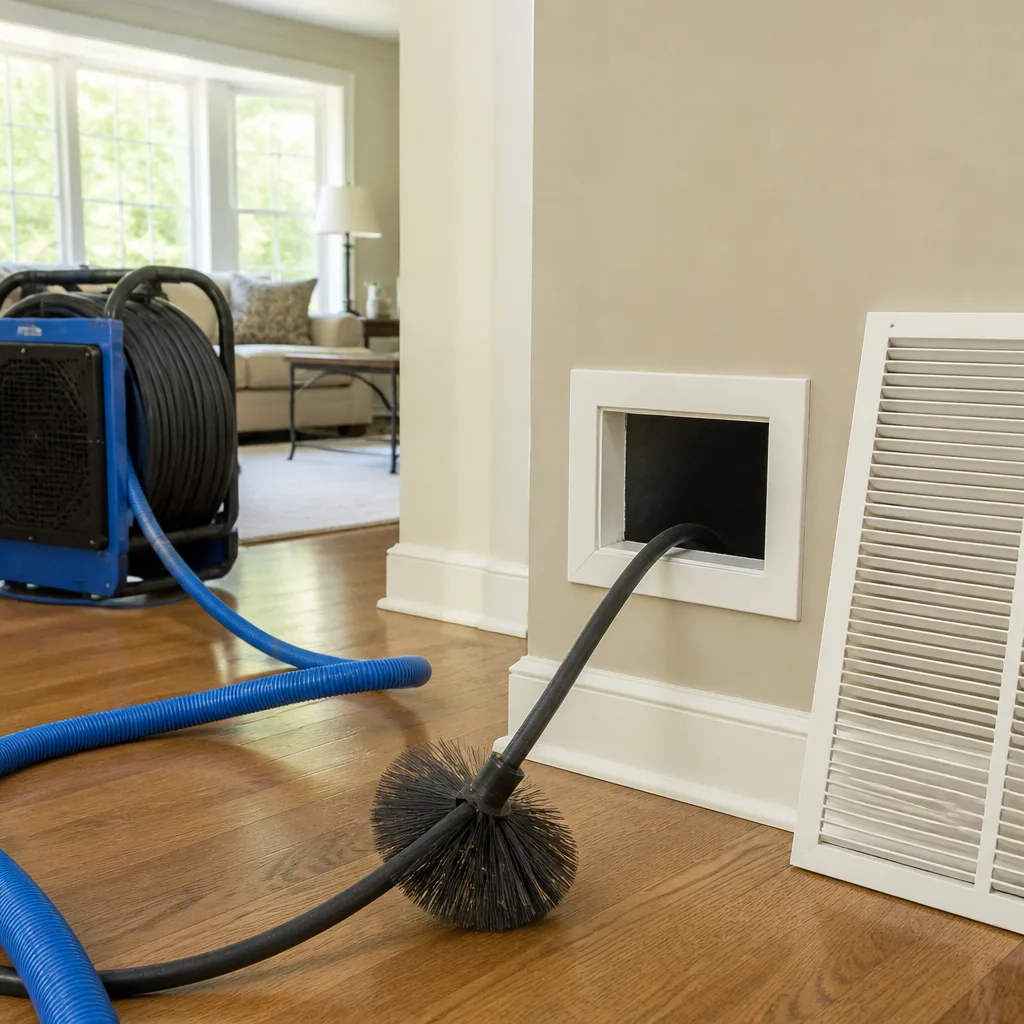 Whole-home duct cleaning
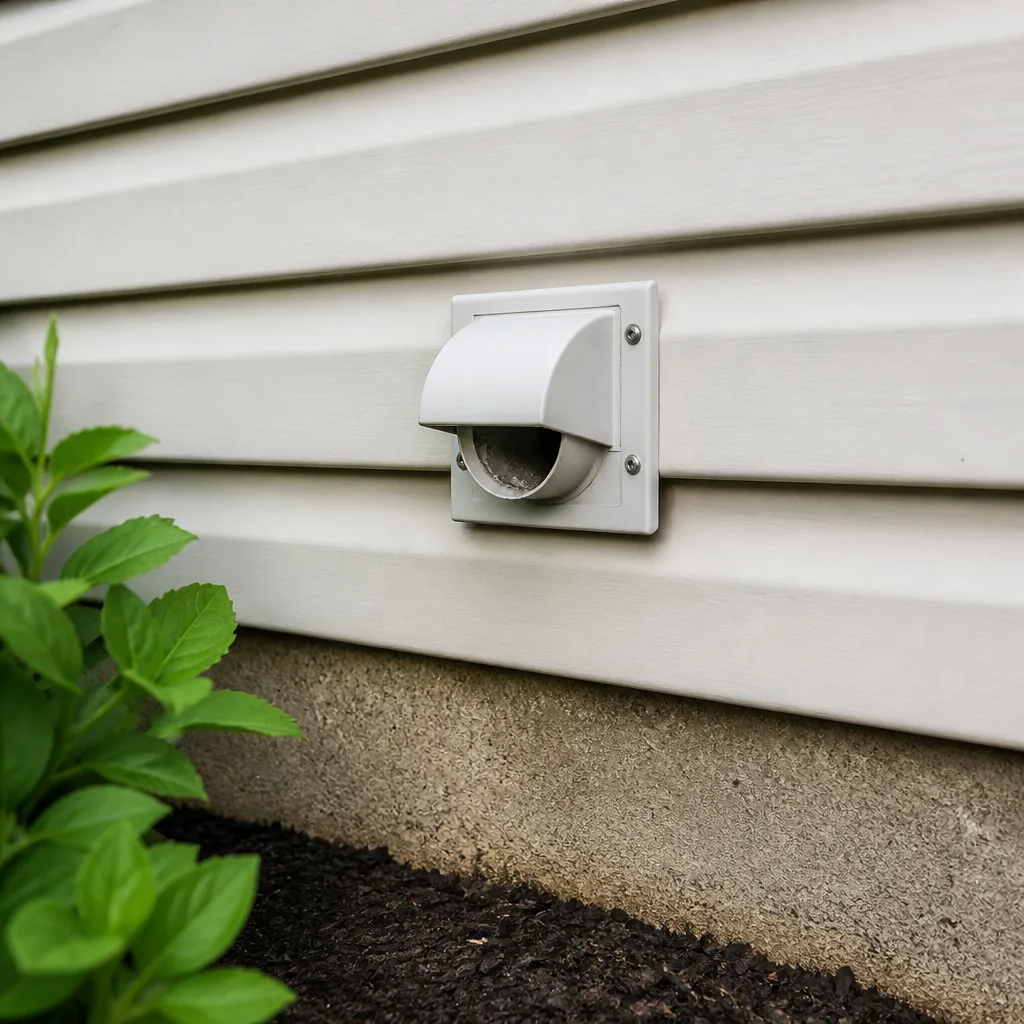 Dryer vent cleaning
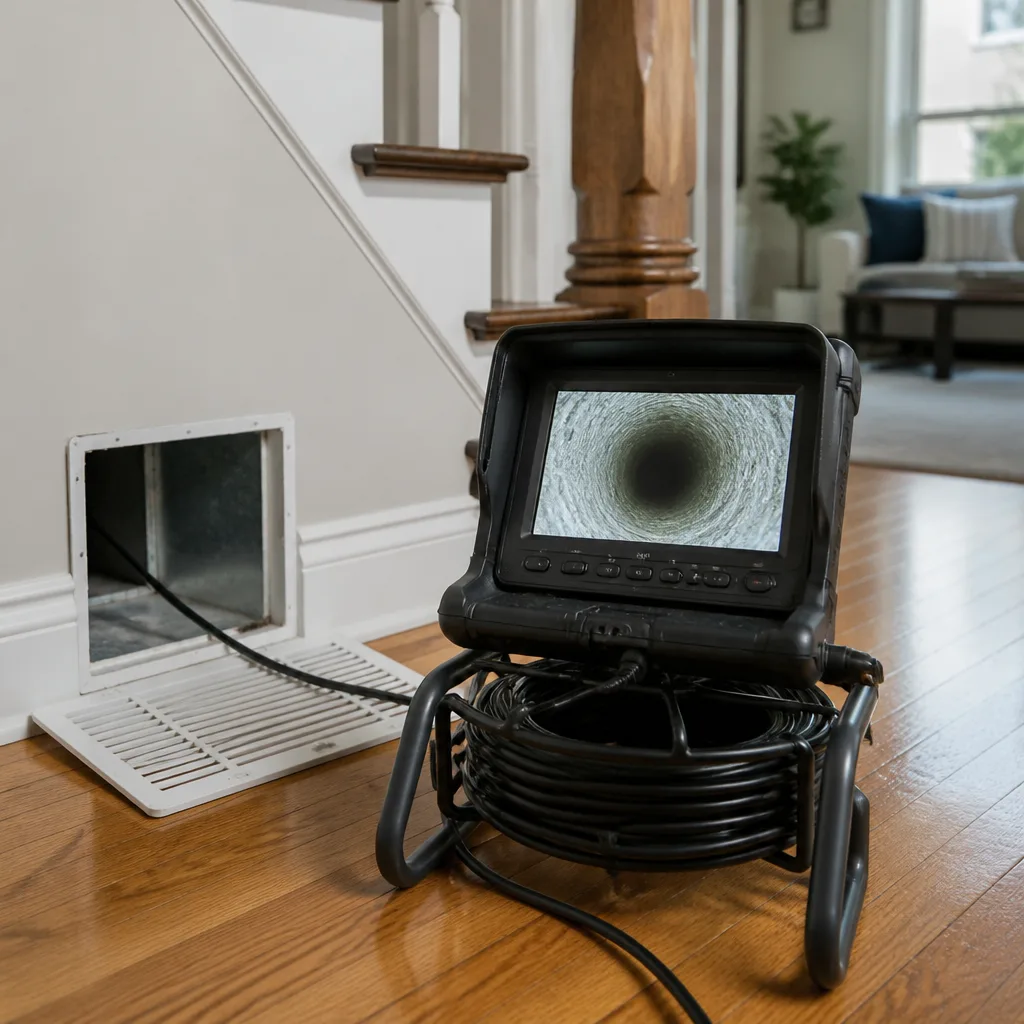 Camera inspection
 Sanitizing & deodorizing
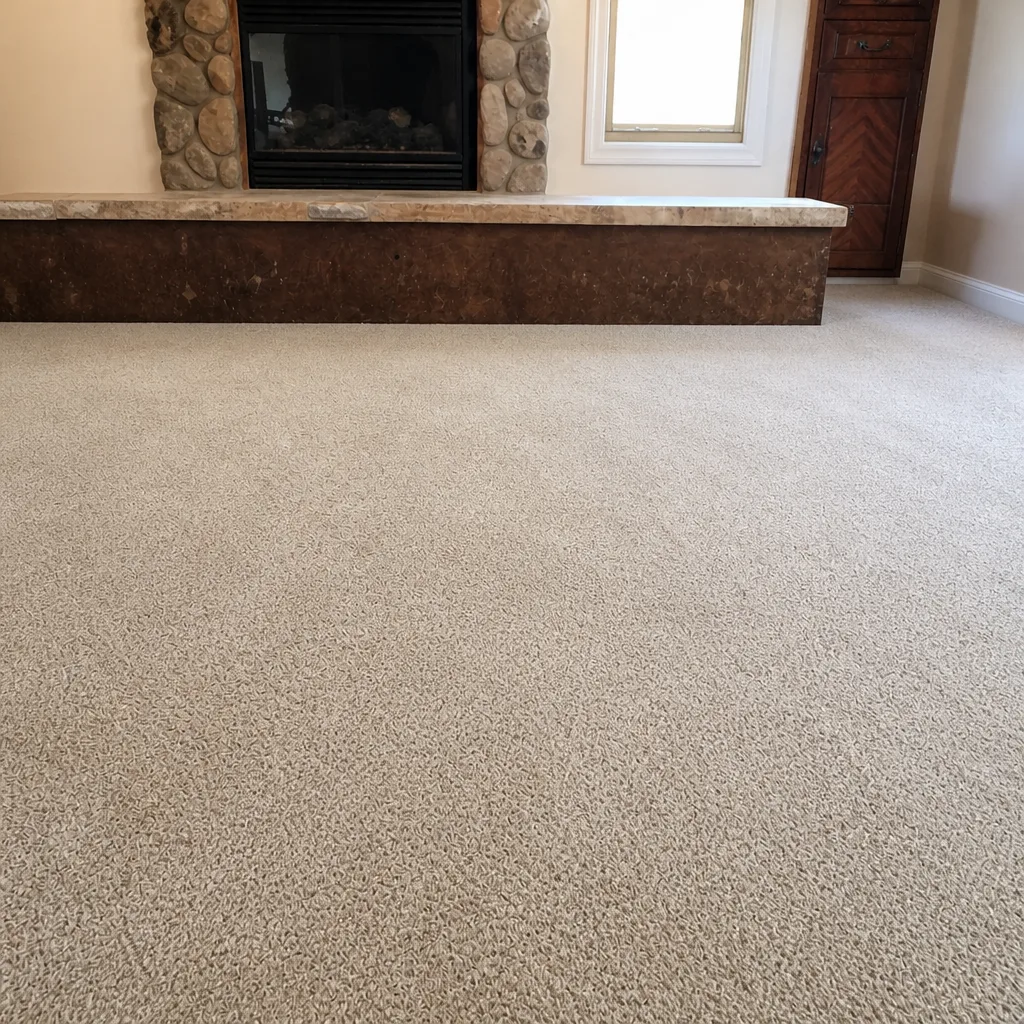
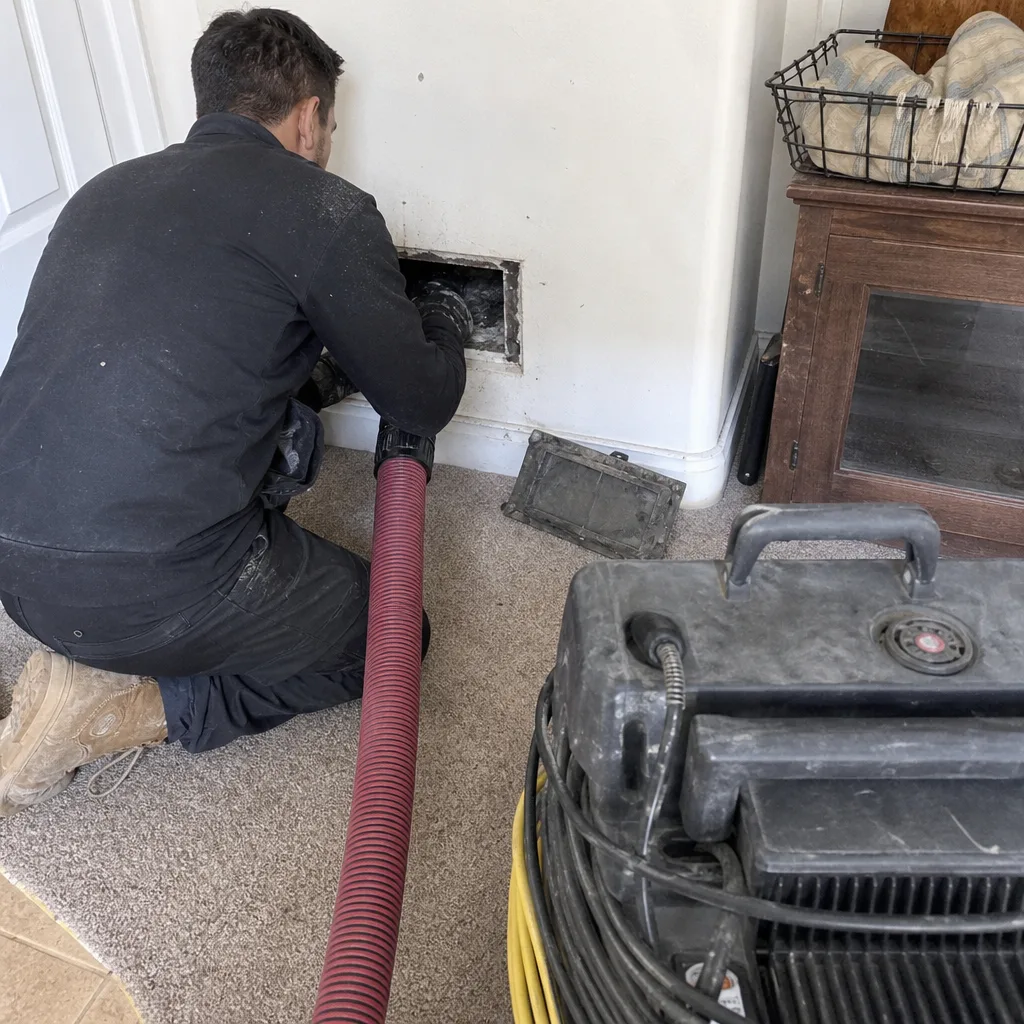
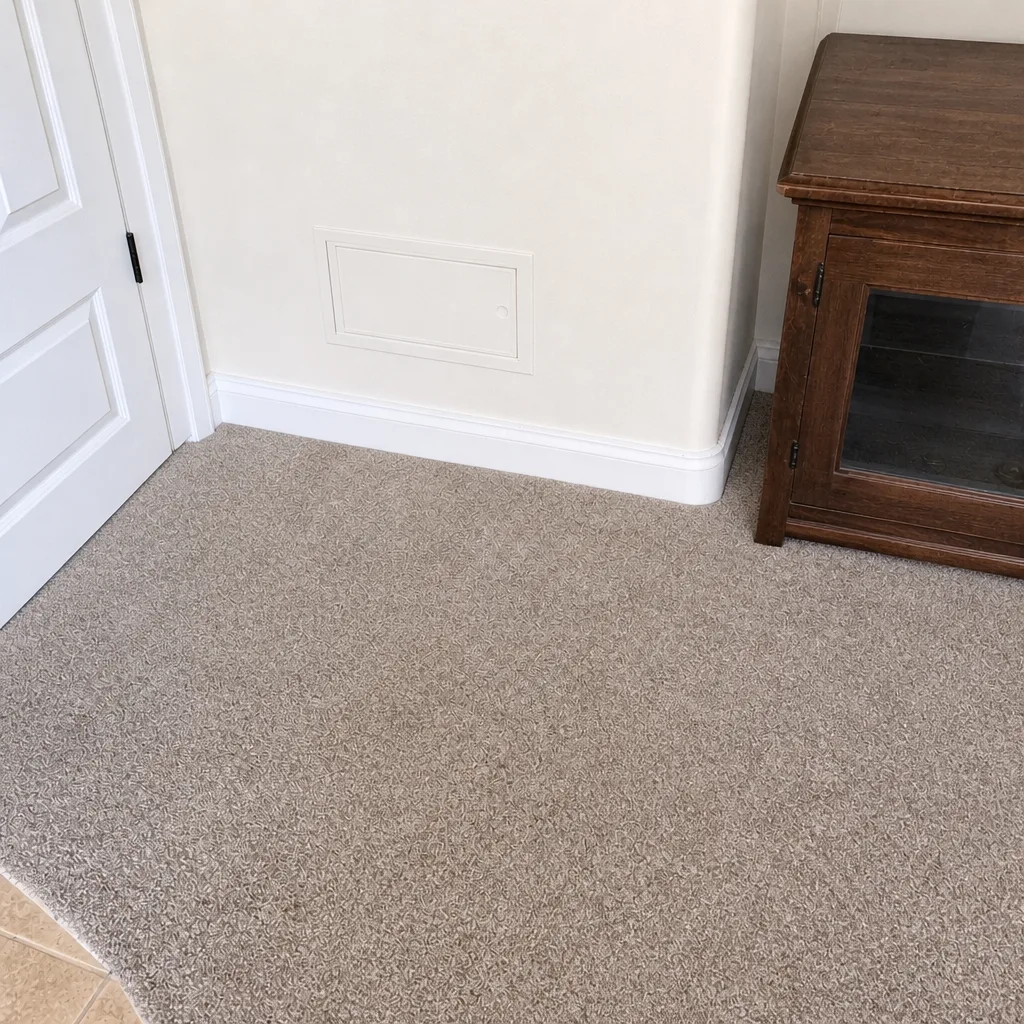
Whole-system duct and dryer vent check with before-and-after photos - you see exactly what came out of your vents
That "$99 whole-house special" is a bait ad - the real number appears once they are in your hallway, or the "clean" is a shop-vac at the register. We photograph the inside of your ducts before and after instead.
Air Duct Cleaning Warning Signs: A Greeley Homeowner’s Reference Guide
Dust blowing out of a register is the warning sign everyone notices, and it’s the one that arrives last. By the time visible debris is puffing into a room, it’s already been coating the duct wall downstream for 10 to 20 feet. The indicators that matter most show up earlier and quietly: a room that never warms up, a faint smell that comes back every time the furnace kicks on, a register that whistles or barely moves air. This guide decodes what each symptom in a Greeley home actually points to, so you can tell a cleaning job from a repair job before you pick up the phone.
Quick Answer
The main air duct cleaning warning signs in a Greeley home are powdery gray buildup at registers, uneven room temperatures, musty or chemical odors when the system runs, and a spike in allergy symptoms during heating and cooling season. Some of these mean the ducts are dirty. Others mean the ductwork is damaged or disconnected, which cleaning alone won’t fix. Matching the symptom to the right cause is the whole game.
Styles & brands we work with
- Whole-home duct cleaning
- Dryer vent cleaning
- Camera inspection
- Sanitizing & deodorizing
Table of Contents
- What Visible Dust at Registers Really Tells You
- Airflow Imbalance: A Structural Warning, Not a Dirty-Register Problem
- Odor Diagnostics: Musty, Burning, and Chemical Smells Mean Different Things
- Why Allergy Symptoms During HVAC Season Aren’t a Reliable Duct Test
- Post-Renovation Warning Signs: Drywall Dust Changes the Job
- Dryer Vent Warning Signs Most Homeowners Miss
- How a Professional Inspection Separates Cleaning From Repair
- Decoding Your Symptoms: A Step-by-Step Walkthrough
What Visible Dust at Registers Really Tells You
Dust at a register is the symptom homeowners call about most and understand least. Two very different problems look similar at a glance, and telling them apart changes the job entirely. Here’s the distinction that matters.
Normal dust accumulation is brownish, gray-black, or dark and slightly clumpy. It wipes off with a damp cloth. It builds up slowly and evenly across rooms. It comes from everyday household particles settling at the register face, and it says more about the room than the duct.
Insulation breakdown looks different. It’s powdery, pale gray, almost chalky, and it tends to coat the register grille and the wall around it unevenly. That material is often fiberglass from deteriorating internal duct liner. When liner breaks down, insulation fibers enter the airstream and collect downstream. That’s not a cleaning problem. That’s a repair problem, and the failing section of liner needs to be removed or replaced before cleaning does any good.
Why does visible dust mean you’re already late? Because debris coats the duct wall progressively along the run. The particles landing on your floor register are the ones the airflow could no longer hold. The buildup behind them stretches back through the trunk line, often for 10 to 20 feet.
- Powdery gray coating: suspect liner breakdown. Repair evaluation needed.
- Dark clumpy residue that wipes clean: ordinary accumulation. Cleaning is the answer.
- Streaking around the register collar: often a leaking joint or an improperly sealed boot, not just dirt.
- Dust that returns within a week or two: the source hasn’t been addressed, only the symptom.
Greeley’s dry air and the fine dust that comes with windy spring days push a lot of airborne particulate through a home’s return side. A house here that sits near an open lot or a gravel alley will load its filtration system faster than you’d expect. That’s why we look at the whole system, not just one grille. Professional-grade equipment does the heavy work; an air duct cleaning visit should include mechanical agitation and extraction, not a shop vac and a hope.
Airflow Imbalance: A Structural Warning, Not a Dirty-Register Problem
If one room in your home never matches the rest, the ducts are probably the reason, and dirt is usually not it. Uneven heating and cooling across the rooms of a Greeley house usually traces back to a crushed length of flex duct, a disconnected trunk, a boot that came loose from the register, or a balancing damper stuck closed. Cleaning won’t move air through a collapsed run.
Flex duct is common and it’s forgiving to install. It’s also easy to crush. A run pinched between a joist and stored boxes, or kinked behind a finished basement ceiling, can cut its own capacity substantially. The symptom is a room that gets lukewarm air at best while the thermostat elsewhere reads fine. A disconnected branch duct is worse: it dumps conditioned air into an unconditioned crawlspace or wall cavity, and the room it’s meant to serve gets almost nothing.
Here’s what to check yourself, before calling anyone:
- Feel the airflow at every register in the house with the system running. Compare weak rooms against strong ones. A pronounced difference is your first clue.
- Hold a tissue to the grille of the weakest register. If it barely deflects, that branch is starved, not just dusty.
- Check the return path. A return that’s blocked by furniture or a closed door to the return room starves the whole system and mimics duct failure.
- Replace the filter and repeat the airflow check. A loaded filter can strangle the blower and flatten pressure at every register.
- Listen at the duct run where it’s accessible. A whistling or hissing sound suggests a leak at a joint or a partially disconnected section.
If airflow is weak in one room only, the fix is usually structural. That’s where repair capability matters. If the system was installed with undersized returns or a mismatched trunk, you’ll see pressure problems across the board. A technician evaluating this work will trace the run, check the dampers, and look for crushed sections. Cleaning a dirty duct doesn’t restore capacity that a crushed run never had.
Odor Diagnostics: Musty, Burning, and Chemical Smells Mean Different Things
Smell is the most reliable diagnostic signal in a home’s duct system, because it names the source. Each category of odor points to a different problem, and each demands a different response.
Musty or earthy smell
A musty odor when the system starts indicates moisture in or near the duct system. Water can enter through a condensate leak, poor grading against the foundation, a humid crawlspace, or a disconnected return that’s pulling air from a damp space. If moisture is present and temperatures are right, microbial growth follows. Cleaning removes the growth and the food source it was living on. Cleaning does not fix the leak, so the moisture has to be found and stopped or the smell returns. Duct cleaning alone is not a substitute for moisture control or mold remediation; those are separate conversations with a specialist.
Burning or hot smell
Any burning smell with the heating system running is a sign to shut the system off and have it checked before running it again. Debris near the heat exchanger, dust collected on a hot surface, or an airflow problem that overheats the unit can all produce that smell. This is not a smell to wait out or to treat with cleaning alone. A qualified HVAC technician should inspect the heat exchanger and combustion side.
Chemical or plastic smell
An odor like hot plastic or a chemical solvent can come from deteriorating duct liner or from adhesive and sealant breakdown in the duct system. This category deserves a professional look, because it can point to liner material inside the airstream. When we deploy Duct Cleaning Greeley crews, we check for this during the walk-through, because the wrong cleaning pressure applied to a failing liner can make things worse before they get better.
- Musty: moisture source. Locate and stop the water, then clean.
- Burning: stop the system, inspect the heat source first.
- Chemical or plastic: suspect liner or sealant failure. Evaluate for repair.
- Smell only when the fan runs: the source is likely inside the duct or on the blower.
- Smell constant in a room, regardless of system: source is in the room, not the ducts.
Odors are also the reason we ask homeowners to describe when the smell shows up. If it arrives only when the furnace starts a heating cycle, the source is on the hot side. If it’s there constantly, the ducts may be innocent.
Why Allergy Symptoms During HVAC Season Aren’t a Reliable Duct Test
Allergy symptoms rising during heating and cooling season does not, on its own, prove the ducts are contaminated. That’s a hard truth, and it’s where a lot of marketing goes wrong. When we spend more time indoors because the windows are shut and the furnace is running, indoor exposure to dust, pet dander, pollen that tracked in, and normal indoor particles goes up. The HVAC system is moving the air, but that doesn’t mean the ducts are the source. Correlation isn’t cause.
What actual testing reveals is usually more nuanced. A professional inspection with proper equipment and filtration capture can show what’s inside the duct. Air sampling and surface sampling are separate tools, and they answer different questions. In practice, what we find in a Greeley home is a mix of settled dust, construction residue in older houses, and occasionally a moisture problem feeding growth. The cleaning process removes that material, which reduces the reservoir of particles the system can recirculate. Cleaning does not promise to cure allergies. Anyone who tells you that is overselling.
What cleaning can realistically do:
- Remove the accumulated debris that the system can lift back into the airstream.
- Expose damage that a dirty duct is hiding, so repair can happen before it spreads.
- Protect your filtration investment. A system already running a quality filter benefits when the duct behind it is clean.
- Reduce the food source for microbial growth when moisture problems are also addressed.
What cleaning can’t do:
- Fix the leak or moisture source that started the problem.
- Cure allergies or replace a doctor’s plan.
- Make up for a poorly sealed return pulling air from a crawlspace.
If you already run a Honeywell or Aprilaire filtration system or a Guardsman-style filtration component, that equipment and its setup matter as much as the duct cleaning itself. We work with and around those systems rather than bypassing them, because a clean duct and a good filter should work together.
Post-Renovation Warning Signs: Drywall Dust Changes the Job
A home that just finished a remodel deserves a different response than a home with ordinary dirt. Drywall dust from cutting and sanding is extremely fine, it travels with the air, and it settles through the entire duct system. It also turns into a hard paste that clings to the duct interior once moisture in the air reaches it. Standard cleaning equipment often just stirs it up.
Here’s what a renovation durably leaves in a duct system:
- Drywall dust and gypsum paste on duct walls and fittings.
- Fibers and insulation fragments from disturbed wall assemblies.
- Wood dust from trim and cabinetry work.
- Paint and solvent fumes that migrated into the duct during painting.
- Construction debris dropped down open register openings during the build.
A renovation job needs different protocol than an ordinary clean. That means running containment so dislodged powder doesn’t redistribute across the house, using HEPA-rated extraction, and checking that no branch is still disconnected from the work project. We deploy Abatement Technologies air-filtration equipment on every job to hold negative pressure and contain what we dislodge. Post-renovation work is where that matters most.
A renovation is also the perfect moment to have the ducts evaluated structurally. Builders finish a space and sometimes leave a run crushed behind new drywall, or a boot that was never properly sealed. The wall is open. Now is the time. If you’re a new Greeley homeowner coming out of a remodel, schedule the duct cleaning after the final drywall sanding and before the furniture goes in.
Dryer Vent Warning Signs Most Homeowners Miss
The dryer vent is the duct line most homeowners never look at, and lint buildup inside it is a genuine fire hazard in a residential setting. The warning signs are easy to dismiss as “just how dryers work.” They aren’t.
- Clothes take longer than one cycle to dry. The most common sign. The vent is restricted, not your dryer.
- The dryer body gets hot to the touch. Heat can’t escape properly.
- Lint builds up around the lint trap door. Suggests lint is bypassing the trap and entering the vent.
- A musty or damp smell in the laundry room. Moisture isn’t venting out.
- The vent flap outside stays closed when the dryer runs. Airflow is blocked somewhere in the run.
- The run is longer than typical or bends multiple times. Every elbow adds restriction.
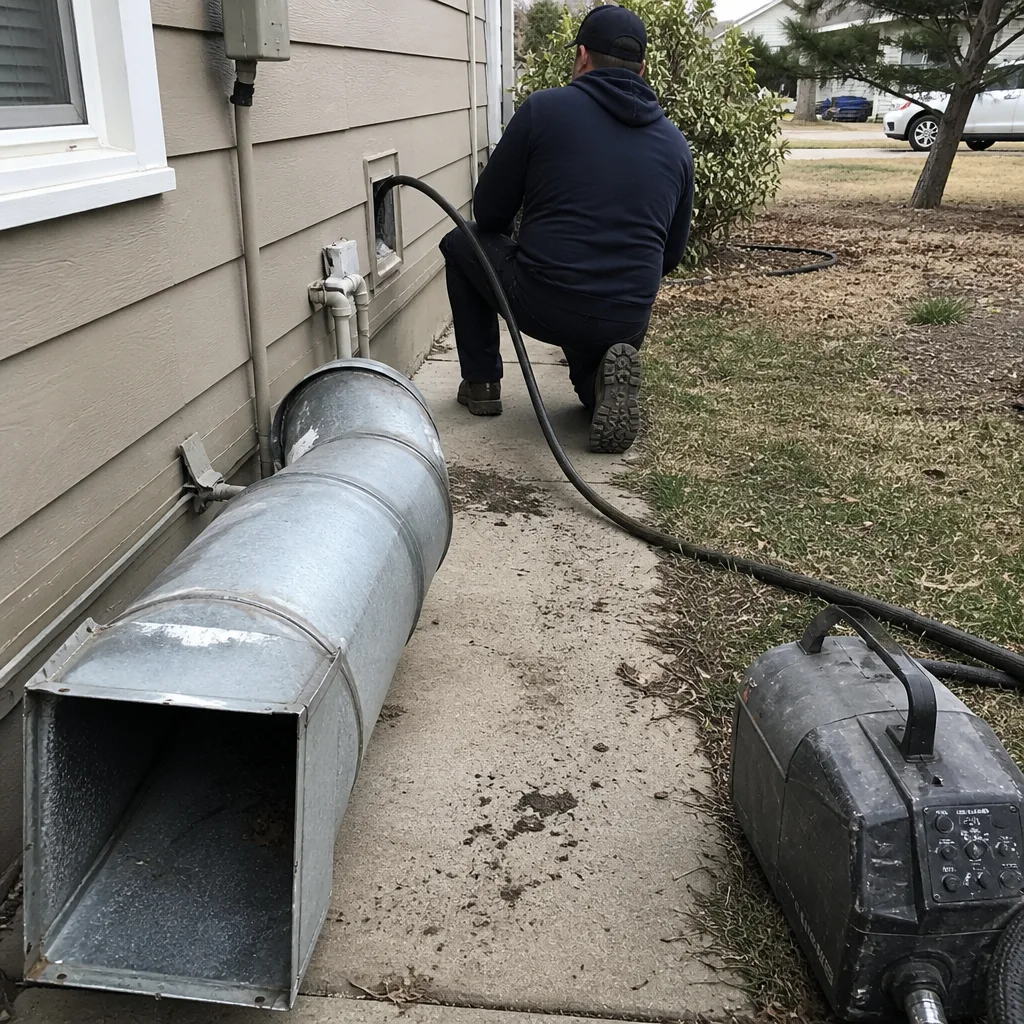
A dedicated dryer vent cleaning visit addresses this specifically, using equipment built to reach through the run and clear the accumulated lint. It’s a different service with a different purpose than cleaning the HVAC ducts, and it isn’t something most duct cleaners treat as the main event. Given the fire risk, that’s a mistake. Schedule the dryer vent as its own job.
If you live in an older Greeley home with a long or convoluted dryer run, or a laundry area that’s been through multiple remodels, check the vent route when you can see it. Even a visibly clear-looking section can hide packed lint behind a bend.
How a Professional Inspection Separates Cleaning From Repair
The whole point of a professional evaluation is to figure out which symptom is which, and then decide whether the job is cleaning, repair, or both. We walk every accessible register, look at the duct runs we can see, check the blower and the filter area, and look at the return side. The verdict usually falls into one of three buckets.
Bucket one: cleaning is the answer. Ordinary accumulation, dust settled in the trunk line, no visible damage, no moisture, no disconnected branches. The fix is a full mechanical cleaning with containment, done properly.
Bucket two: repair is the answer. Crushed flex duct, disconnected trunk, torn boot, degraded liner, leaking joint. Cleaning can happen alongside, but the repair is the underlying fix. We offer air duct repair as a separate service because some duct problems are structural. We clean it, and if we find damage, we repair it. Same visit, same team. That’s a big part of why we use professional-grade equipment like Rotobrush and Nikro systems: cleaning and repair capability feed each other.
Bucket three: a different specialist is the answer. An active water leak, biological growth that needs evaluation beyond cleaning, or a heat exchanger concern. We’ll tell you when a problem is outside our scope, because duct cleaning isn’t the answer to every problem in a duct system.
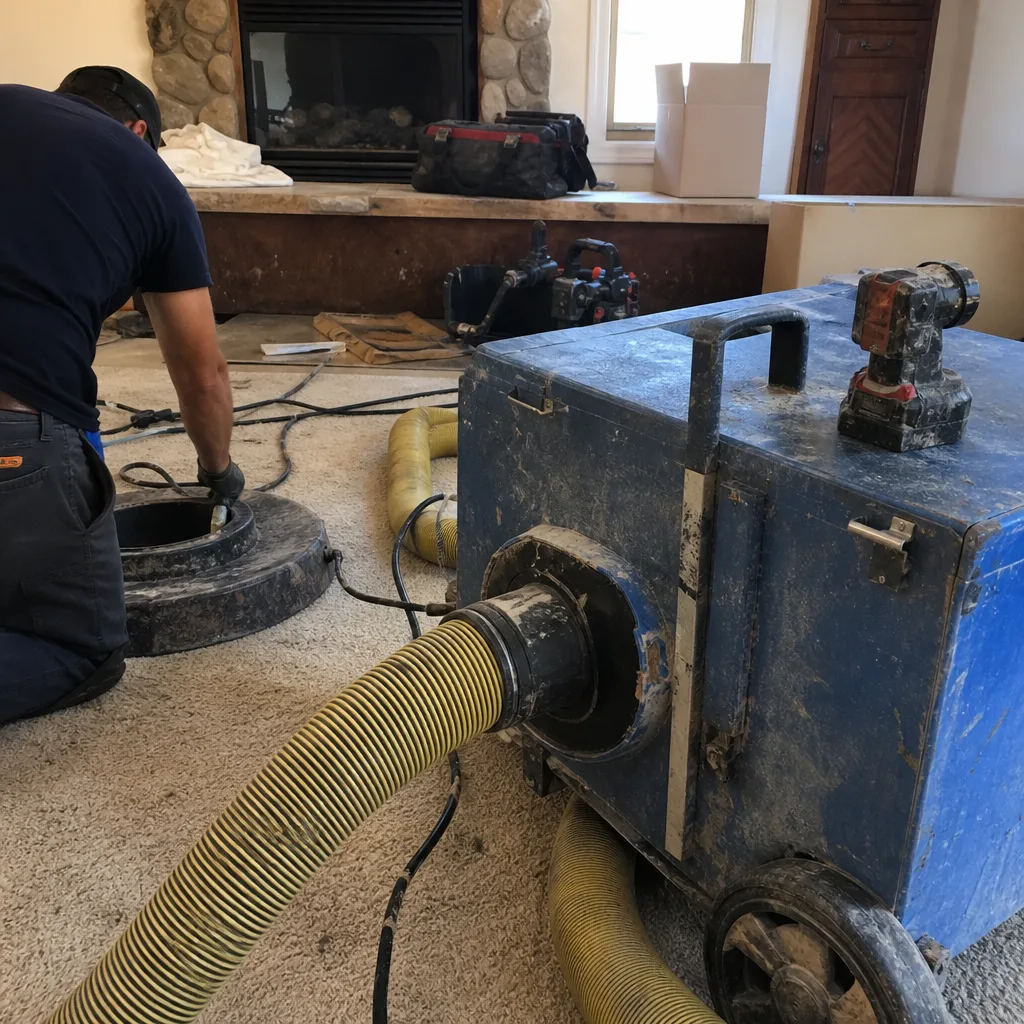
How we contain the work: Abatement Technologies air scrubbers maintain negative pressure through the job, so what we dislodge ends up captured, not redistributed into your living room. Before-and-after photos of your own ducts are part of the service, so you can see what was removed. That’s the accountability that matters after the truck leaves.
Decoding Your Symptoms: A Step-by-Step Walkthrough
Here’s how to work through the signs in order. Use this as your own reference guide before you call anyone.
- Look at the register faces. Powdery and pale-gray = liner failure suspicion, repair evaluation. Dark and wipes clean = ordinary accumulation, cleaning.
- Run the system and feel every register. Weak room = structural problem to be traced. All rooms weak = filter, blower, or return issue first.
- Note when odors appear. Only with the fan = duct or blower source. Only during heat cycle = heating components. Constant = room source.
- Check the dryer vent separately. Long dry times, hot dryer body, damp smell = dedicate a service call to the vent.
- Review recent events. Renovation, new construction, water intrusion, pest activity, or a home purchase in the last year all raise suspicion.
- Look at the filter and its housing. A loaded filter, a poorly fitting filter, or a missing filter defeats the whole system.
- Call for the walk-through. A trained technician confirms or rules out each symptom on site, and gives you a written estimate before any work starts.
Common Mistakes to Avoid
- Assuming visible dust means a cleaning job on its own. Powdery pale buildup is often liner breakdown, and cleaning a failing liner can make the airstream worse. Ask what the deposit is made of before booking.
- Believing a cheap coupon quote is the whole price. Bait-and-switch problems start with a teaser price that becomes a far larger invoice once the technician is on site. One flat price per system, agreed in writing before work starts, is the honest version.
- Cleaning when the real problem is crushed flex duct. A room that never warms up won’t change after cleaning if the run behind the wall is kinked. Screen for airflow damage first.
- Chasing a musty smell with cleaning instead of finding the water. Cleaning removes the growth. If the moisture source stays, the smell comes back. Find the leak, then clean.
- Skipping the post-renovation clean until months later. Drywall dust hardens against the duct wall as moisture in the house reaches it. Schedule after final sanding, before furniture goes in.
- Treating the dryer vent as an afterthought. Long dry times and a hot dryer body are fire-risk signals. That vent run deserves a dedicated visit, not a courtesy pass.
- Not asking for before-and-after photos. Without documentation, there’s no way to confirm the work matched the estimate. Ask for photos of your own ducts.
See the difference
 Before
 After
 Before
 After
 Before
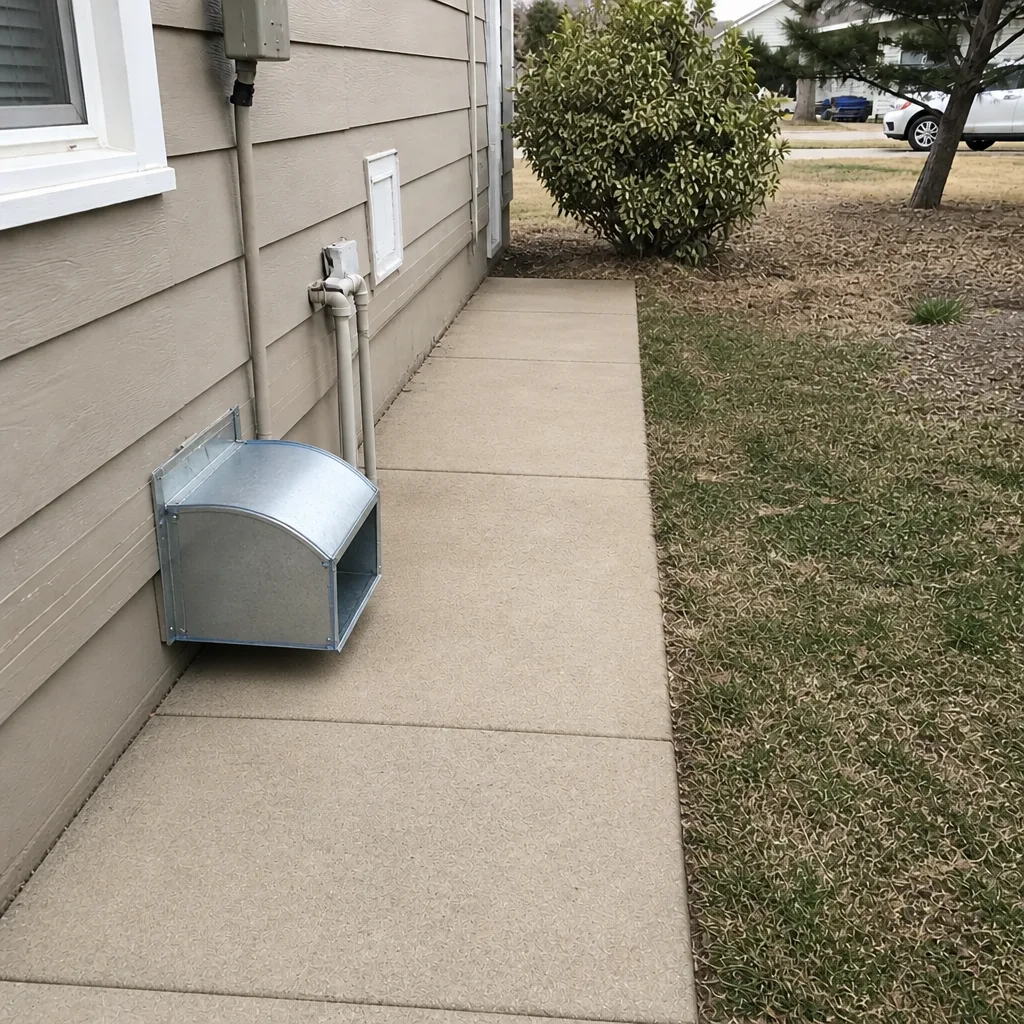 After
When to Call a Professional
Call when you see powdery buildup at multiple registers, when one room consistently doesn’t match the rest, when a smell appears and returns after every heating cycle, or when you’ve just finished a renovation. Call if your dryer takes two cycles to finish a load, or the vent flap stays shut while the dryer runs. Call if you bought a Greeley home and don’t know when the ducts were last serviced, or if a previous cleaner quoted you one price and delivered another. If you can’t tell whether it’s cleaning or repair, that’s exactly the call to make. Duct Cleaning Greeley offers free estimates in Greeley – call (833) 467-7154. We answer 24/7. Fast dispatch from 7am to 7pm, Sunday through Friday.
Frequently Asked Questions
Typical whole-system air duct cleaning is priced per system, not per vent, and the written estimate sets the final number after a technician sees the layout. A standard home with straightforward access usually lands in the middle; a larger system, hard-to-reach runs, or a job that also needs repair or heavy post-renovation work runs higher. We don’t quote a teaser price and we don’t do per-vent math. A flat price per system, agreed before work starts, is the whole deal. Call (833) 467-7154 for an exact quote – estimates are free.
Low quotes usually reflect what’s missing from the job: no containment, no rotary agitation, no HEPA capture, a quick pass over the register faces and out the door. The low number is also sometimes a starting point that grows once the technician is on site. Professional-grade equipment, containment, and before-and-after documentation cost more to deliver. That’s why the honest number is usually higher than the teaser, and why the written estimate matters. Call (833) 467-7154 for an exact quote – estimates are free.
Ask for before-and-after photos of your own ducts, taken during the job. A legitimate cleaner documents the inside of the trunk line and the runs they cleaned, not a stock photo, not a neighbor’s driveway. Containment during the job is another confirmation: if the crew deployed filtration to hold negative pressure, they’re serious about the process. Every job we run uses Abatement Technologies air-filtration equipment for that exact reason. Call (833) 467-7154 if you want a walk-through first – estimates are free.
Most homes don’t need it on a fixed calendar; they need it when the signs appear. A renovation, a new home purchase, a moisture event, pest activity, or visible buildup at the registers are the triggers. A house with pets, allergy concerns, or a lot of outdoor dust coming in will usually justify a look sooner. If everything looks and smells clean and airflow is balanced, waiting is reasonable. When in doubt, a walk-through is cheaper than a re-clean. Call (833) 467-7154 for an exact quote – estimates are free.
No, and no honest cleaner should promise that. Cleaning removes the accumulated debris in the system, which reduces what the system can recirculate. That’s helpful, but allergy symptoms track to many sources beyond the ducts: pollen, pet dander, outdoor air entering, indoor humidity. Cleaning complements allergy management; it doesn’t replace it. If your ducts also need repair or a moisture problem is found, those are the bigger levers. Call (833) 467-7154 to talk through what a walk-through would check – estimates are free.
It depends on the symptom. Dust and debris with normal airflow usually means cleaning. Powdery pale buildup, a room that never warms up, or a smell that returns after every heating cycle usually points to liner breakdown, crushed duct, or a disconnected branch, which is repair before or alongside cleaning. Our technicians diagnose both, and we handle the repair rather than handing it off. Call (833) 467-7154 to have a technician identify which problem you actually have – estimates are free.
The Bottom Line
Most duct warning signs in a Greeley home get misread. The visible dust at registers is late; the earlier signals are the powdery residual, the cold room, the smell, the post-renovation trail. Each symptom points to a different problem, and the wrong response wastes a job. Cleaning is the answer when the system is dirty. Repair is the answer when the system is damaged. If you’re not sure which one, the free walk-through settles it. One flat price per system, agreed in writing, before anyone touches a duct.
Call Duct Cleaning Greeley at (833) 467-7154 for a free estimate. We answer 24/7. Fast dispatch from 7am to 7pm, Sunday through Friday. Our technicians have up to 12 years of experience working with Rotobrush and Nikro equipment, and they handle cleaning and repair alike.
Written by the team at Duct Cleaning Greeley.