
Last updated November 15, 2026
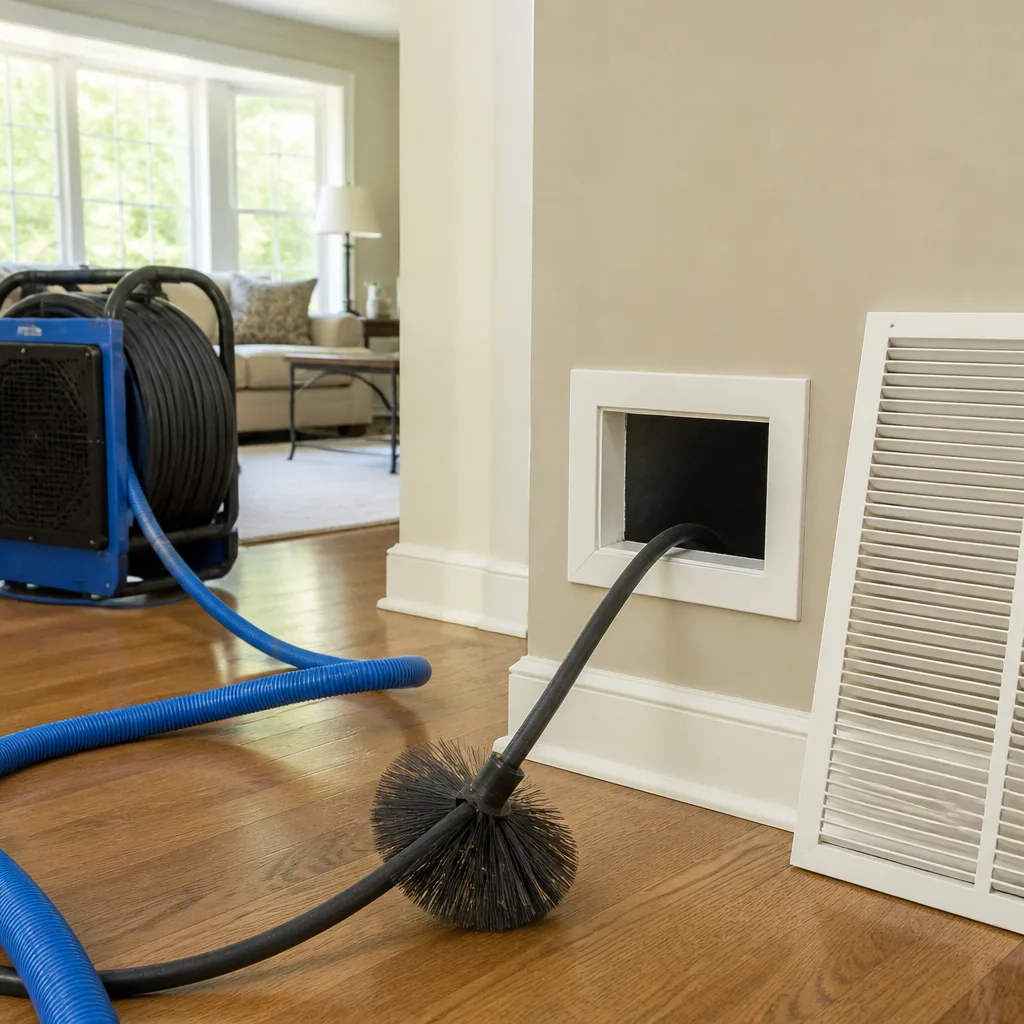 Whole-home duct cleaning
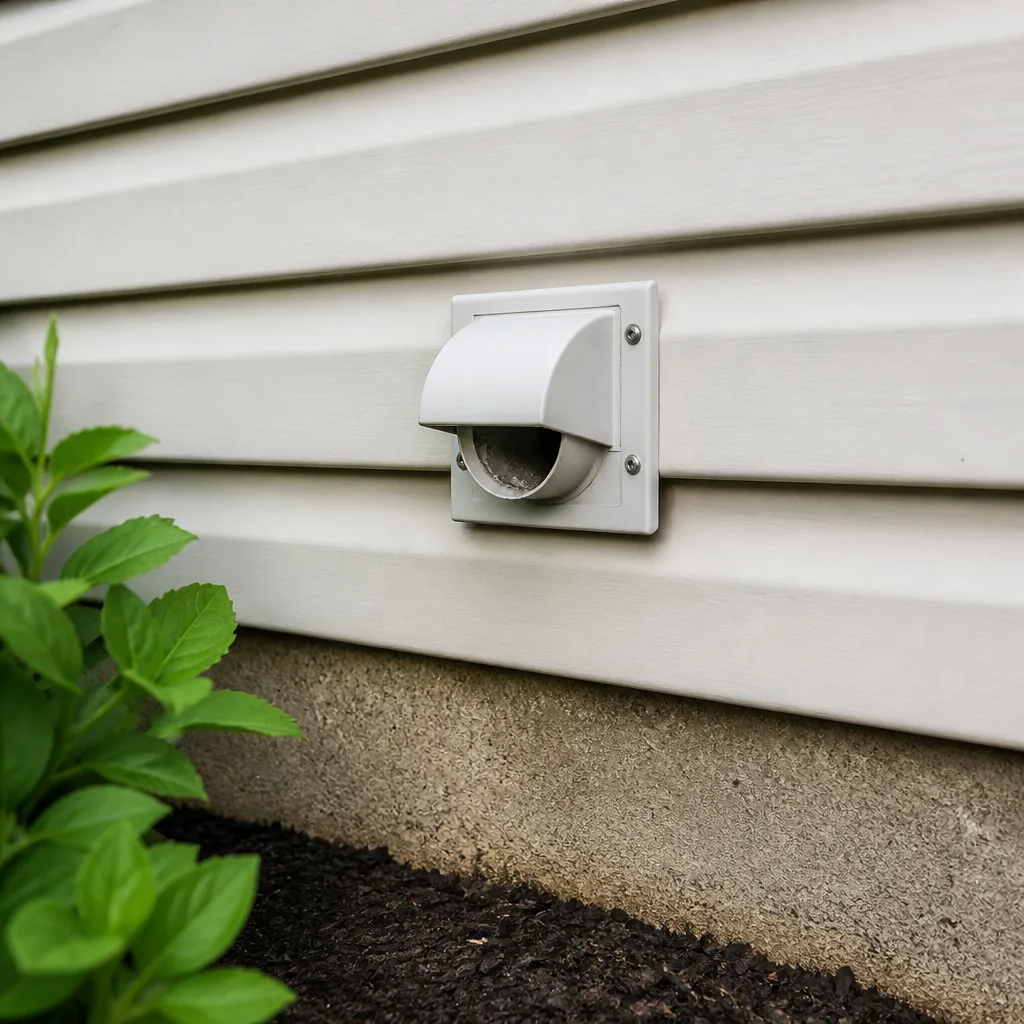 Dryer vent cleaning
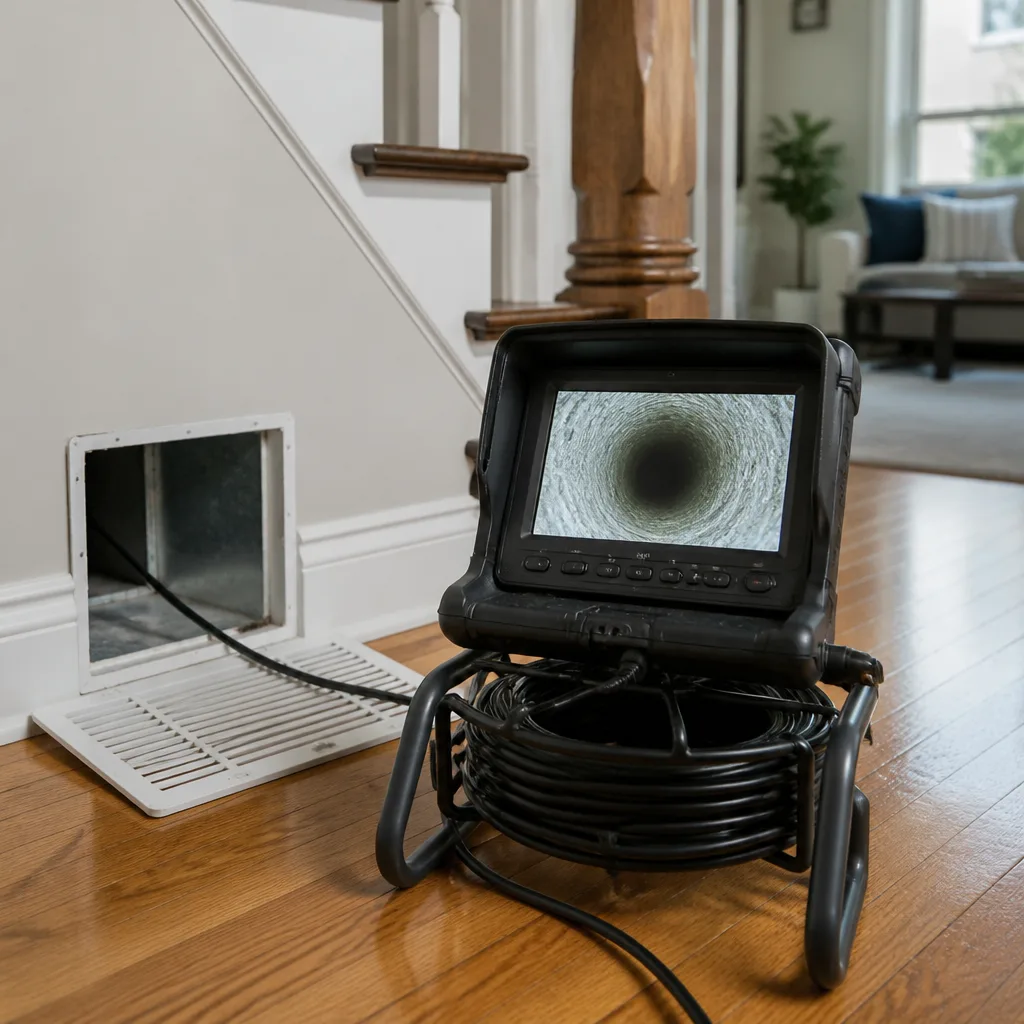 Camera inspection
 Sanitizing & deodorizing
Whole-system duct and dryer vent check with before-and-after photos - you see exactly what came out of your vents
That "$99 whole-house special" is a bait ad - the real number appears once they are in your hallway, or the "clean" is a shop-vac at the register. We photograph the inside of your ducts before and after instead.
DIY vs Professional Air Duct Cleaning: The Greeley Homeowner’s Decision Guide
A consumer drill-brush kit and a shop vac will clean about 18 inches into a duct from the register. That sounds useful until you map out where most of a system’s debris actually settles: the trunk lines, the supply plenum, the return-air cavities, and the spaces behind the boot that no register-mounted brush can reach. The DIY clean hits the front porch of the ductwork and calls it a day. That’s not a knock on the tools, which are legitimately useful for the right job. It’s a description of where the limits sit. In this guide we’ll walk through those limits honestly, explain which parts of the system you can genuinely maintain yourself in a Greeley home, where the equipment gap becomes a gap in what you actually know about your ductwork, and how to run the cost-benefit math without inflating either side.
Quick Answer
DIY air duct cleaning is genuinely useful for register grilles, filter housings, and the accessible interior of supply boots, but it can’t reach the trunk lines, plenums, or return-air cavities where most debris accumulates, and it can’t capture airborne particulate the way contractor-grade HEPA equipment does. Professional cleaning is worth the cost when you have symptoms (visible dust at registers, musty smells, allergy flare-ups, a recent renovation or home purchase, or years of deferred maintenance), when your home is a 1970s – 1990s Greeley ranch with crawl-space flex duct, or when you want the diagnostic inspection that finds joint separation and duct damage while the system is open.
Styles & brands we work with
- Whole-home duct cleaning
- Dryer vent cleaning
- Camera inspection
- Sanitizing & deodorizing
Table of Contents
- What a DIY Duct Cleaning Kit Actually Does
- What Professional Equipment Does Differently
- Why Greeley’s Housing Stock Changes the Answer
- Where DIY Maintenance Is Genuinely Sufficient
- The Diagnostic Gap: What a DIY Clean Won’t Tell You
- The Real Cost-Benefit Math
- How a Professional Clean Actually Goes
- The Dryer Vent: A Separate Decision
What a DIY Duct Cleaning Kit Actually Does
A typical consumer duct cleaning kit runs $40 to $100 at a hardware store and consists of a drill-mounted flexible brush on a 10- to 15-foot whip, plus a shop-vac hose adapter. The brush spins at drill speed to agitate dust off the duct wall while the shop vac pulls what it can through the register opening. Used correctly, it does real work on the first 12 to 18 inches of a supply run: it breaks loose loose dust, dislodges cobwebs, and clears the dust film off the boot and the first stretch of flex or sheet metal.
That’s the honest description. The problems start with the physics of the tool:
- Reach: The whip typically spans 10 to 15 feet, but it goes in from a single register, so it only covers a straight line from that one opening. A duct with an elbow 3 feet in will stop the brush’s forward progress because the flex doesn’t want to turn.
- Agitation pressure: A drill-turned brush can’t put meaningful contact pressure against the duct wall on the far end of the whip. The brush spins, but it doesn’t attack the dust that’s bonded to the metal or settled into the ridges of flex duct.
- Airflow: A standard shop vac moves somewhere in the range of 100 – 200 CFM at the hose with minimal static pressure behind it. That’s enough to pull surface dust through a 2-inch hose. It isn’t enough to keep a 6-inch trunk line under negative pressure, so the moment you agitate dust in one branch, some of it lifts into the air and settles back into the system or into the room.
- Containment: There’s no negative-pressure enclosure at the register while you work. Debris you dislodge goes into the air of the room, the shop vac, and back into adjacent duct runs.
None of this is dangerous. It’s just incomplete in a specific, predictable way: the DIY kit cleans the part of the system you can see and stops at the part you can’t. In a Greeley home with a single central return and a tangle of flex branches feeding the far bedrooms, that means the majority of the duct volume never gets touched.
What Professional Equipment Does Differently
Contractor-grade duct cleaning equipment is built around three jobs at once: agitate the whole run, contain the dislodged debris, and capture it at high efficiency. The comparison matters because it explains why a professional clean looks different on the invoice.
The Rotobrush rotary brush system
Rotobrush systems use a motorized rotary brush on a semi-rigid cable, fed through the register and driven at a speed that maintains consistent contact with the duct wall as it travels. The brush head is sized to the duct, and the cable is stiff enough to push through elbows and around the tighter turns in flex duct, which is the failure point for a consumer whip. The system runs in combination with a high-power vacuum at the other end, so agitation and extraction happen simultaneously. Where a DIY kit reaches 18 inches with a spinning brush, the Rotobrush setup can work a full branch from register to trunk, and the length of flexible cable is what makes that possible.
The Nikro HEPA vacuum
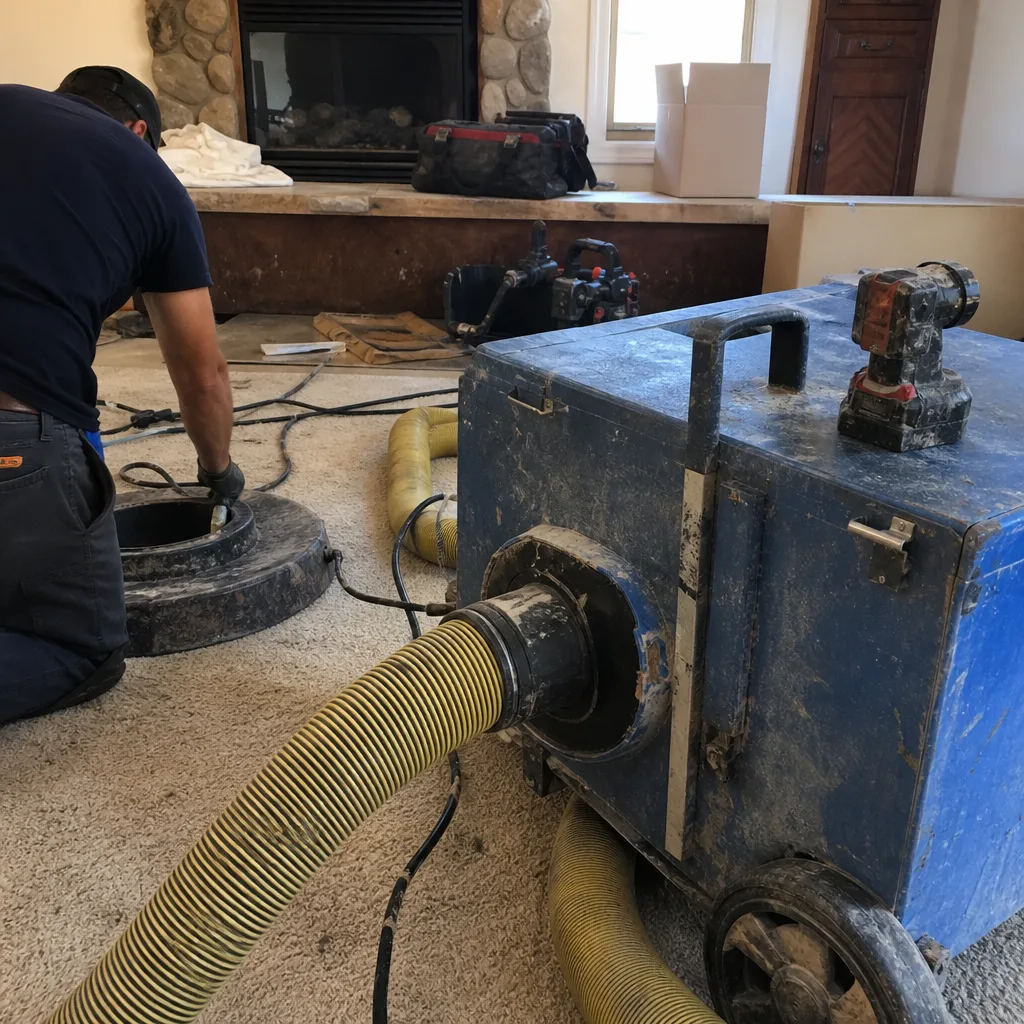
Nikro HEPA-rated vacuum equipment is the extraction half of the job. It pulls high volume and high static pressure through a HEPA filter, capturing fine particulate rather than blowing it back through the exhaust. The filtration matters most when a system has accumulated fine dust, pet dander, drywall dust from a renovation, or construction debris. A shop vac has a filter, but at the CFM and static pressure it can generate, the filter loads quickly and the exhaust becomes the leak.
Abatement Technologies air scrubbers
We run Abatement Technologies air-filtration equipment on every job to hold negative pressure in the work area and contain what the brushes and vacuum dislodge. In practice, the scrubber is what keeps the dust inside the system instead of in your living room while the work is underway. That’s the difference between cleaning ductwork and redistributing the contents of ductwork.
Why the equipment list matters in Greeley
Greeley’s HVAC season swings hard. Summers pull the system on for weeks at a time, and the spring dust that comes with the plains wind works its way into return grilles and filter housings year after year. That buildup is fine dust and grit, exactly the particle size that a properly filtered vacuum captures and a shop vac blows through. Professional-grade equipment, not a shop vac and a hope, is the honest distinction between the two outcomes.
Why Greeley’s Housing Stock Changes the Answer
Whether DIY is worth attempting depends a lot on the house. In Greeley, the answer splits cleanly by decade of construction and foundation type.
1970s – 1990s ranch homes with crawl-space flex duct
A large share of Greeley’s mid-century and late-20th-century neighborhoods, including established areas around the older parts of town, are single-story ranch homes on crawl-space foundations. That means the duct system often runs under the floor in the crawl space, and much of the branch duct is flexible insulated duct with sagging runs, elbows, and joints that have been flexing for decades. Flex duct is the hardest configuration for a DIY clean to touch:
- The flexible interior liner has ridges that collect dust; a spinning consumer brush skips over the ridges instead of scrubbing them.
- Flex runs often have a long horizontal stretch under the floor before they turn up to a register, and the consumer whip can’t travel past the first elbow.
- Low airflow at the far end of a long run lets dust settle for years; the register end can look clean while the trunk is loaded.
- Older flex duct in crawl spaces tends to develop small tears, disconnected joints, and crushed sections that only surface when the system is opened and inspected.
Newer slab-on-grade builds
Newer Greeley subdivisions built on slab foundations often use ductwork that’s shorter in run, closer to the air handler, and sometimes rigid galvanized sheet metal through the trunk. A DIY clean is still incomplete in these homes, but the gap is smaller because there’s less total duct volume under the floor and fewer elbows. If a slab-on-grade home has had a recent renovation, though, the story changes: drywall dust travels deep into the return system and hangs in the plenum, and a consumer kit can’t reach any of it.
What this means for a Greeley homeowner
If your home is a 1970s – 1990s ranch and you’ve never had the system professionally cleaned, the DIY kit hits about the same fraction of the duct as a mop hits of a hallway. If your home is newer or has short, simple duct runs and you’re keeping up with register and filter maintenance, DIY maintenance is a reasonable annual habit. You get the biggest value out of professional cleaning when the house has the configuration to justify it.
Where DIY Maintenance Is Genuinely Sufficient
There’s real work a homeowner can do safely and well. Here’s the honest list:
- Register grilles. Pop the cover, wash it in the sink with warm water and a mild detergent, dry it, and reinstall. Do this every 3 to 6 months. In Greeley, the wind-blown dust in spring means the return grille can load up faster than the supply grilles.
- Filter housing. Vacuum the filter housing with a brush attachment every time you change the filter, and note which brands your system uses so you can match replacement filters correctly. Honeywell and Aprilaire filtration systems are common in this market, and knowing what’s behind the grille helps you shop.
- Accessible boot interiors. The short transition between the floor grille and the start of the duct is reachable with a hand brush or a shop vac. That “boot interior” collects the biggest single deposit of pet hair and dust in most homes, and it’s legitimately yours to maintain.
- Dryer lint trap and vent cover. The lint trap should be cleaned after every load. The exterior vent flapper and the short section of flex behind the dryer should be vacuumed periodically and checked for lint buildup. That’s a genuine homeowner task.
- Filter changes. The single highest-value maintenance item in any system. Change the filter on schedule; the ductwork stays cleaner and the system runs more efficiently.
What none of these touch is the trunk line, the supply plenum, the return-air cavity, or any branch beyond the first elbow. If your system has visible dust at every register, musty smell when the fan kicks on, or has just come through a renovation, register-level cleaning won’t move the needle.
The Diagnostic Gap: What a DIY Clean Won’t Tell You
Here’s the part most DIY guides skip: cleaning isn’t the only thing that happens during a professional service. A professional clean is also an inspection. When we run air duct cleaning in a Greeley home, the technician has eyes on the duct runs from inside the system, and the findings are often the more valuable output of the visit.
The things that surface during a professional clean:
- Joint separation. Sections of flex duct that have pulled apart at a collar or fitting. That’s a direct leak of unfiltered air from the crawl space or attic into the living space, and it’s invisible from any register.
- Flex duct damage. Tears in the outer vapor barrier, crushed sections where weight or friction has collapsed the duct, or a run that was never fully stretched at install.
- Disconnected boots. A boot that’s separated from the subfloor, meaning the register blows conditioned air into the floor cavity instead of the room. Very common in older Greeley ranch homes.
- Biological growth. Surface growth on the interior of the duct liner, which is possible in any home with a cooling system in a humid summer, and which no homeowner can see without opening the system.
- Debris pockets. Trapped debris in the plenum or trunk that doesn’t show up at any register but is feeding everything downstream.
Any of these findings affects how the system runs. A DIY clean won’t surface any of them, and in the case of a crushed or disconnected duct, it can make matters worse by pushing dust into a cavity. Because we handle air duct repair in-house, those findings can often be corrected on the same visit rather than referred out and scheduled separately. That’s the diagnostic value of a professional clean: the information matters as much as the cleaning.
The Real Cost-Benefit Math
The out-of-pocket comparison is clearer than most homeowners expect once you lay it out honestly. Here’s what the two options actually cost.
DIY duct cleaning cost
- Drill-brush duct cleaning kit: $40 – $100
- Shop vac with HEPA filter (if you don’t already own one): $80 – $200
- Time: an afternoon per register, more if you’re thorough
- Result: register grilles, filter housings, accessible boot interiors, and the first 12 – 18 inches of each supply run
Professional duct cleaning cost (typical ranges)
- Whole-home air duct cleaning: $300 – $700 depending on number of registers, system size, and duct configuration
- Added dryer vent cleaning as a separate service: $100 – $200
- Duct repair if damage is found: priced per job by written estimate
- Time: one scheduled visit
- Result: whole-system cleaning plus inspection and a written report of what was found
Estimates are the honest frame. Every job is priced per system by written estimate before work starts, so the final number is set in writing up front, not by per-register charges or a coupon that multiplies once the technician is on site. The DIY math looks favorable on day one, but there’s a hidden line item on the DIY side: if the system does have a disconnected boot, a crushed flex run, or a joint that’s pulled apart, the DIY clean never surfaces it, and the underlying airflow issue keeps collecting dust for years. In a Greeley ranch with a vulnerable crawl-space duct system, the probability of finding a repair need is high enough that the professional visit usually pays for itself in information as well as cleaning.
How a Professional Clean Actually Goes
If you’ve never hired a duct cleaner, the process can sound opaque. Here’s what a typical professional clean involves when the work is done with contractor-grade equipment and an inspection-first approach.
- Walk-through and register count. The technician counts registers, identifies the air handler, and asks about any recent renovation, water intrusion, or musty odors. That information shapes the work plan.
- Setup and containment. Abatement Technologies air-filtration equipment is placed to hold the work area under negative pressure while the system is open. The registers are removed, and the vacuum connection is established on the main trunk or plenum.
- Rotary brush agitation. Each branch is worked with a Rotobrush rotary brush sized to the duct, pushed through elbows and around turns that a consumer whip can’t reach. The vacuum runs simultaneously at the trunk end so dislodged dust moves toward the collection point.
- HEPA extraction. Nikro HEPA-rated vacuum equipment pulls filtered air through the system, capturing fine particulate rather than exhausting it back into the room.
- Register and boot cleaning. The technician cleans the boot interior, the register grille, and the filter housing, then reinstalls everything.
- Inspection and report. As the work moves through the system, the technician notes any joint separation, crushed flex, disconnected boot, or biological growth. Anything repairable gets flagged and can often be fixed on the same visit as part of the air duct repair service.
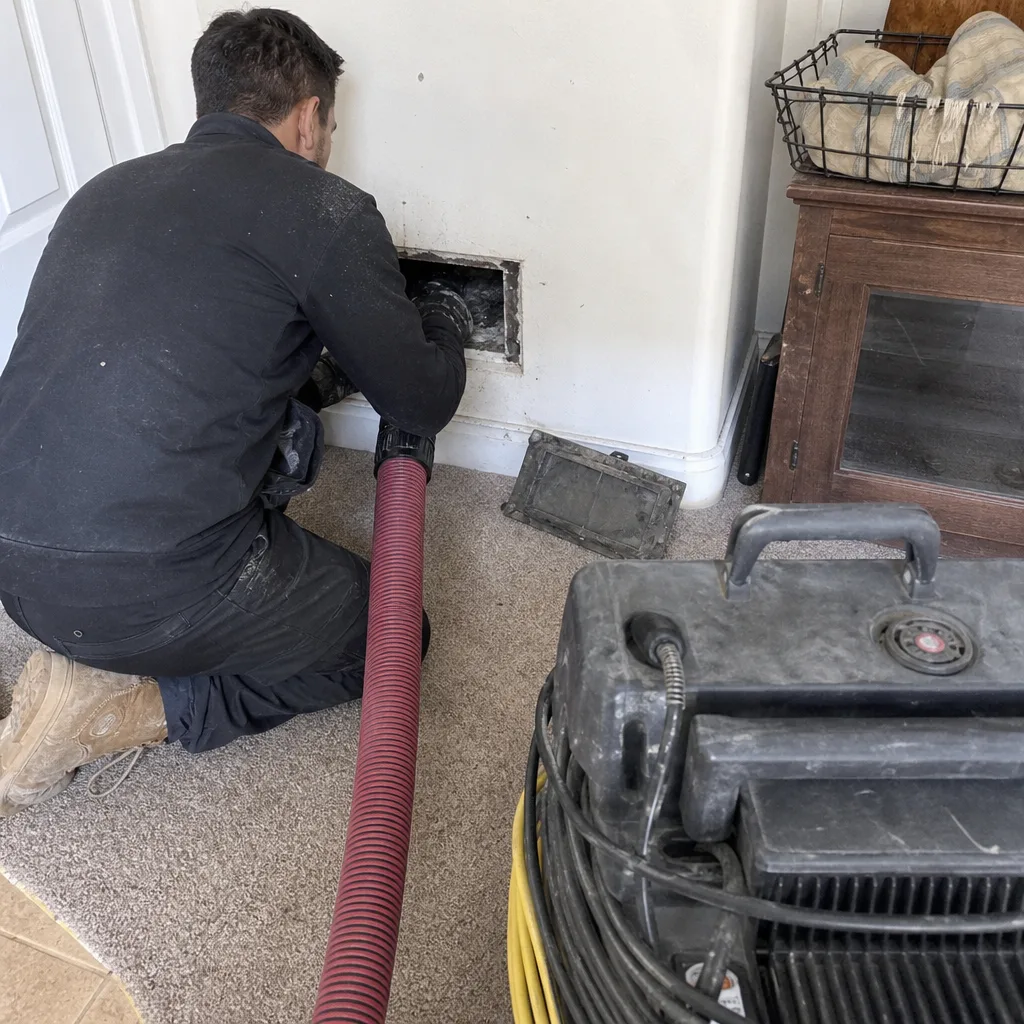
- Before-and-after documentation. Photos of the ductwork before and after cleaning give you a record of what was found and what was removed. This is also how you know the work actually happened.
If you have a Honeywell or Aprilaire filtration system installed at the air handler, we work around those components rather than removing or bypassing them, and we leave the filter housing clean and correctly seated.
The Dryer Vent: A Separate Decision
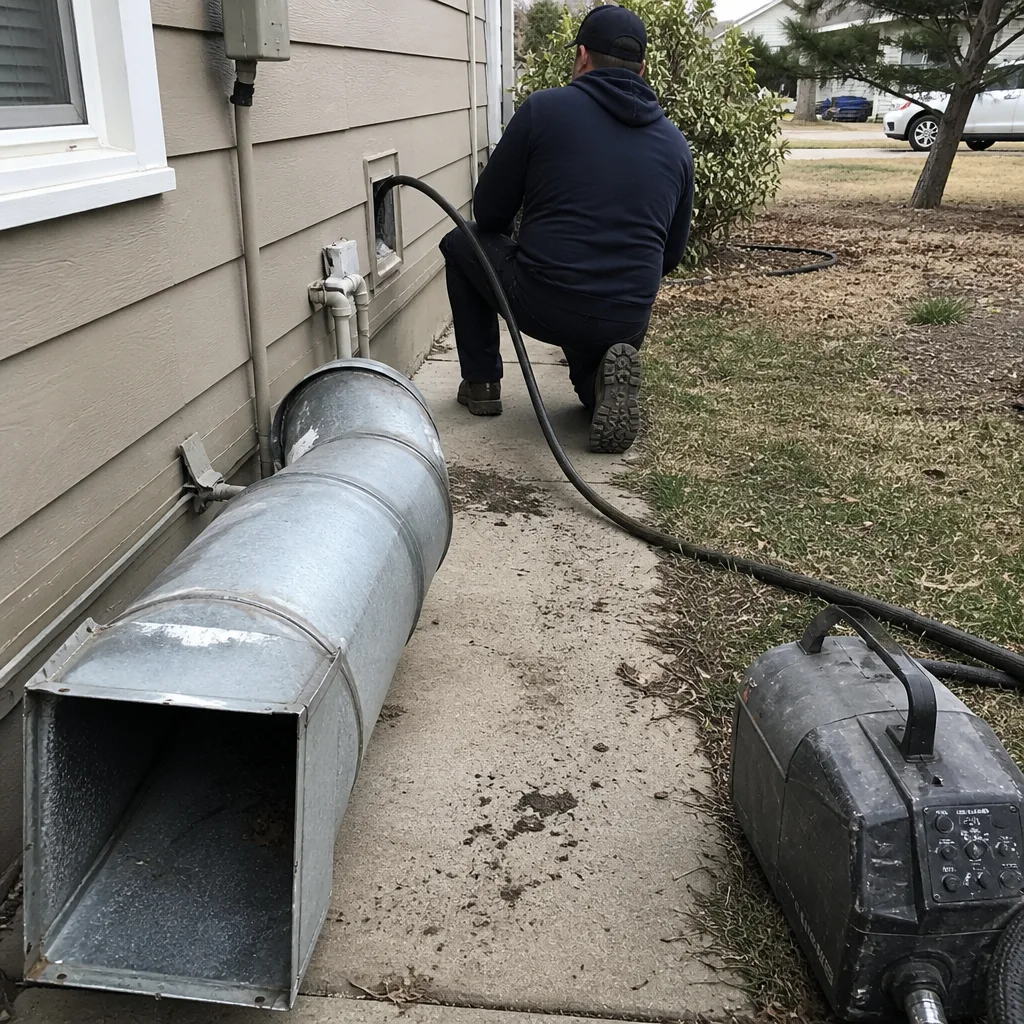
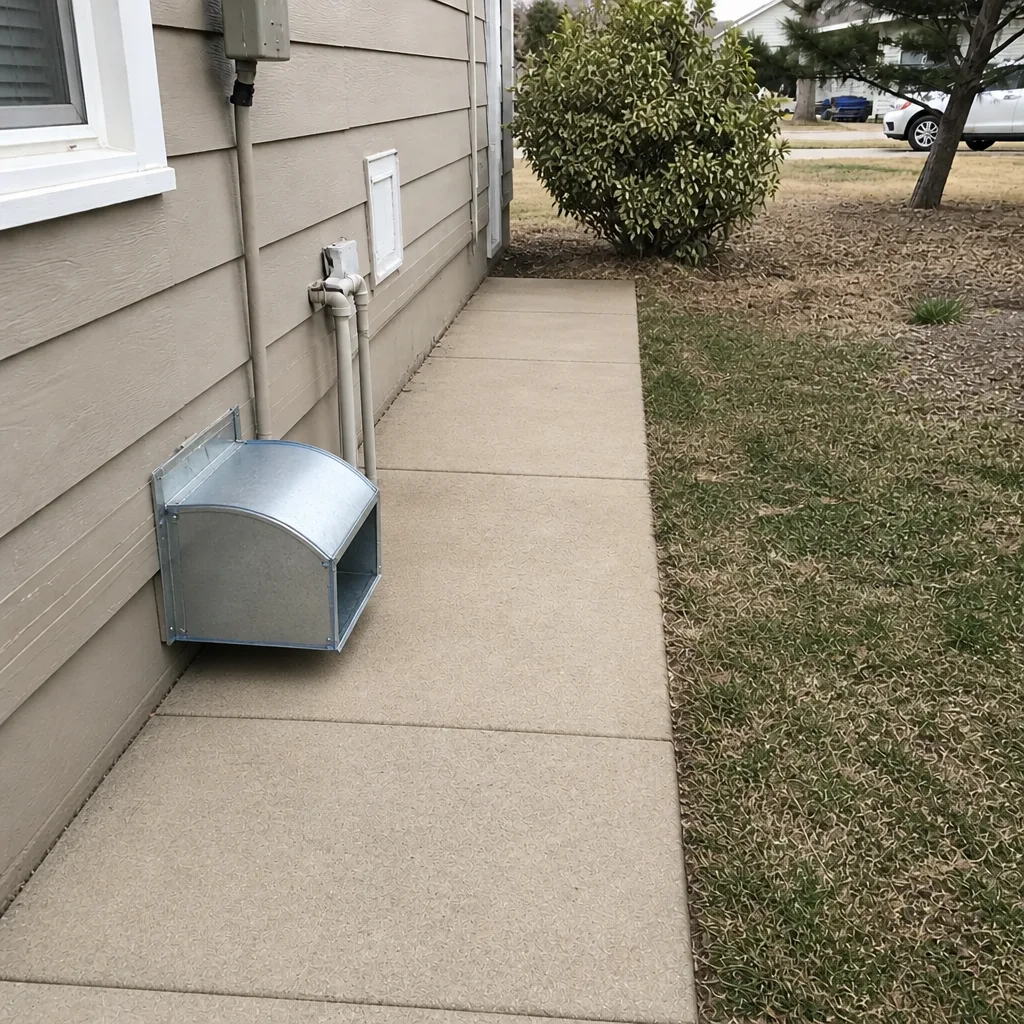
Dryer vent cleaning is often treated as an afterthought by duct cleaners, but it’s a genuinely different decision from duct cleaning. Lint accumulation in a clogged dryer vent is a documented fire hazard in residential homes, and it also extends drying times, which pushes the dryer to run hotter and longer. The consumer tools for it (a long flexible brush on a drill, or a vent kit) do work reasonably well on short, straight runs where the vent exits close to the dryer with one or two elbows. They’re less effective on the longer runs typical of Greeley homes where the dryer sits in an interior laundry room and the vent has to travel through a wall and up.
We treat dryer vent cleaning as its own service rather than an add-on, because the tools and the diagnostic attention are different from ductwork. If the vent is long, has multiple turns, or has never been cleaned, the professional service removes lint that a homeowner brush can’t reach. If it’s short and straight and you’re diligent about the lint trap, DIY is a reasonable annual habit. Read more about dryer vent cleaning if you’re not sure which category your home falls into.
Common Mistakes to Avoid
- Assuming a clean-looking register means a clean duct. The grille is the part that gets wiped down; the trunk underneath it may be loaded with a decade of dust. Pull the grille off and look at the boot interior before you decide the duct is fine.
- Running a consumer brush kit into flex duct without checking the liner first. A worn or torn inner liner will catch on the spinning brush and shred. In a Greeley ranch home with crawl-space flex, look at the run from the crawl access before you feed a brush into it.
- Using a shop vac as the sole vacuum source. A shop vac pulls low CFM at low static pressure, and once its filter loads, the exhaust becomes the dust leak. It’s a fine tool for the boot interior, not for the whole system.
- Cleaning ductwork without changing the filter first. A dirty filter fights everything downstream of it. Change the filter, then clean, then change it again in a few weeks; that’s the sequence that actually nets a cleaner system.
- Skipping the inspection step. A DIY clean has no inspection built in. Even if you only clean the registers yourself, get the system looked at professionally once to confirm there’s no disconnected boot or crushed flex run hiding under the floor.
- Assuming “duct cleaning” means the same thing everywhere. A coupon special that walks in with a shop vac and a hose is a different service from one that arrives with a Rotobrush system, a Nikro HEPA vacuum, and Abatement Technologies filtration. Ask what equipment will be used before you book.
- Ignoring the dryer vent because the ducts get cleaned. They’re separate systems. A duct cleaning doesn’t address the vent, and a vent cleaning doesn’t address the ducts. Both matter.
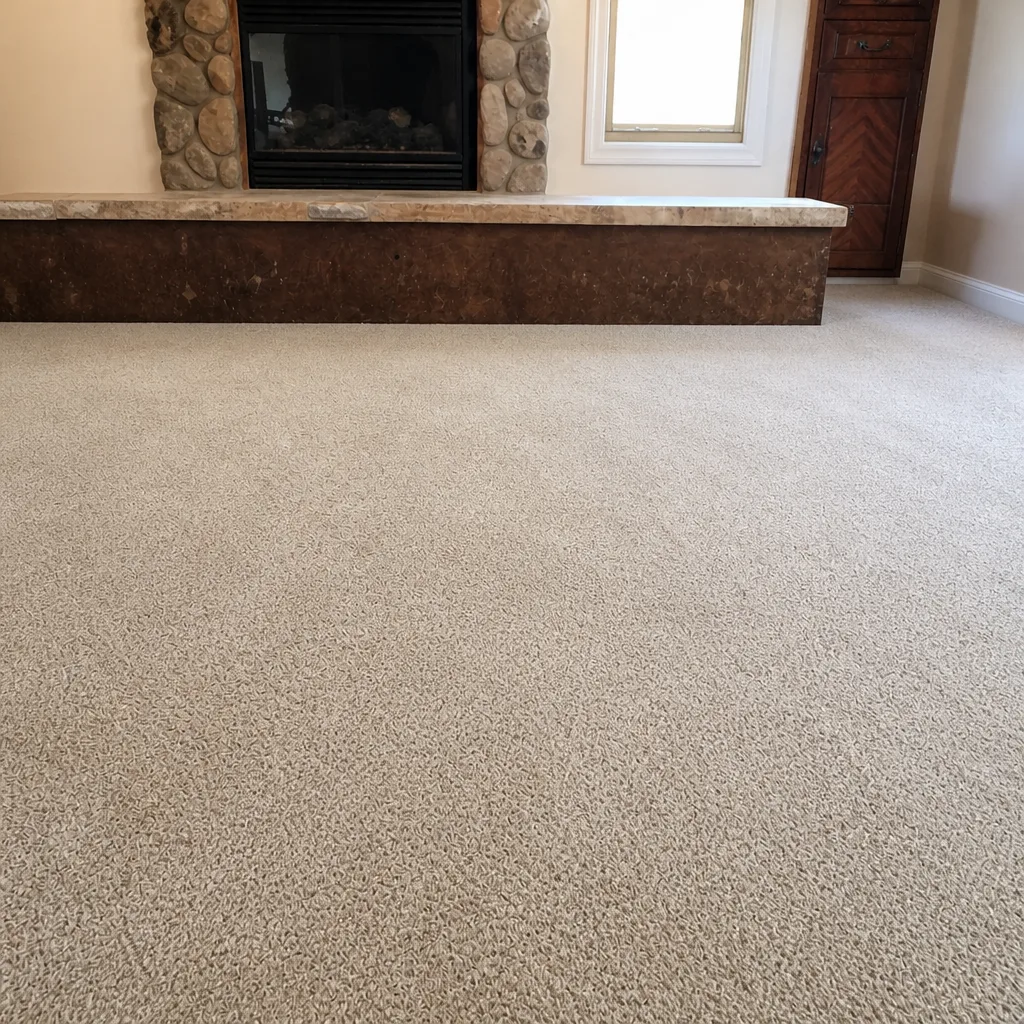
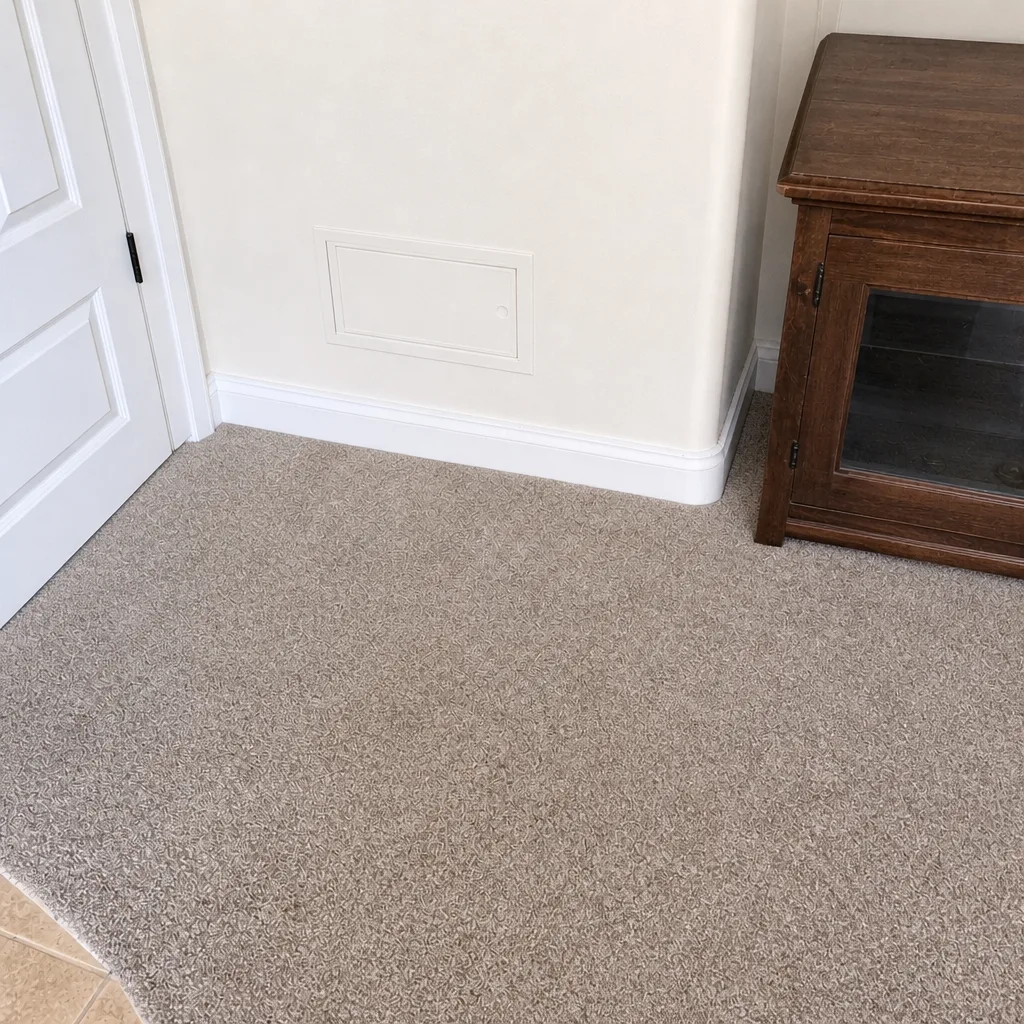
See the difference
 Before
 After
 Before
 After
 Before
 After
When to Call a Professional
Call for professional service when you can see dust at every register, smell something musty when the fan kicks on, have just finished a renovation or bought a home with unknown service history, live in a 1970s – 1990s ranch with crawl-space flex duct, or are managing allergies and haven’t had the system opened up. Call also if it’s been years since the last cleaning and the filter housing looks loaded every time you change the filter. Duct Cleaning Greeley offers free estimates in Greeley. Call (833) 467-7154. We answer 24/7. Fast dispatch from 7am to 7pm, Sunday through Friday.
Frequently Asked Questions
Typical whole-home air duct cleaning in Greeley runs $300 to $700 depending on register count, system size, and how much crawl-space or attic duct is involved. Dryer vent cleaning as a separate service runs $100 to $200. Every job is priced per system by a written estimate before work starts, so the final number is set in writing. Call (833) 467-7154 for an exact quote; estimates are free.
DIY is a bad idea when the system has visible damage, a torn flex liner, or heavy dust everywhere, because a consumer brush can make a small duct problem worse. It’s also not useful when the debris is deep in the trunk or plenum, which the tool can’t reach. For register-level maintenance, DIY is fine. Call (833) 467-7154 if you’re not sure which situation you’re in.
The cheapest quotes usually come from operators running shop vacs and hose rigs instead of contractor-grade equipment, and they often price per register or via a coupon that multiplies once the technician is on site. A quote that’s half the market rate is describing a different service than the one that includes rotary brush agitation, HEPA extraction, and negative-pressure containment. Ask what equipment the company brings before you compare numbers. Call (833) 467-7154 for an estimate that reflects what actually happens during the job.
Before-and-after photos of your own ductwork, taken by the technician during the job, are the cleanest evidence. A professional service should also give you a walk-through of what was found, including any joint separation, crushed flex, or disconnected boot. If a company can’t show you photos or describe what they found, treat the invoice with caution. Call (833) 467-7154 to see how we document a clean in Greeley.
Most homes can go several years between professional cleans, sometimes longer, but the interval depends on the home: a Greeley ranch with crawl-space flex and a house with pets, allergies, or recent renovation will need service more often than a newer slab-on-grade build with a well-maintained filter. The honest answer is to check the filter housing and a couple of register boots periodically and let what you find drive the timing. Call (833) 467-7154 for an assessment if it’s been a while.
You can, and it’s a reasonable plan for a newer home with short, simple runs. The catch is that the DIY clean doesn’t surface problems that live inside the system, so a hidden disconnected boot or crushed run will keep collecting dust without you knowing. Get the system professionally inspected once if you don’t know its history, then handle register upkeep yourself in between. Call (833) 467-7154 to schedule a Greeley inspection.
The Bottom Line
DIY duct cleaning is not dangerous and it’s not useless. It’s just incomplete in a specific, predictable way: it cleans the register, the boot interior, and the first stretch of duct, and it stops exactly where most of the debris in a Greeley home lives. If you have a newer build with short, simple runs, a diligent DIY routine around the registers and filter will carry you a long way. If you have a 1970s – 1990s ranch with crawl-space flex duct, visible dust at the registers, a musty smell, a recent renovation or home purchase, or years of unknown history, the professional visit pays for itself in cleaning, containment, and inspection. The key is knowing which situation you’re in. For a professional-grade clean with air duct cleaning by technicians using Rotobrush and Nikro equipment, plus repair capability if damage is found, call Duct Cleaning Greeley at (833) 467-7154. We answer 24/7. Fast dispatch from 7am to 7pm, Sunday through Friday. Estimates are free and the price is set per job by the written estimate. For the full scope of what we do in Duct Cleaning Greeley, start there.
Written by the team at Duct Cleaning Greeley.