
Last updated November 15, 2026
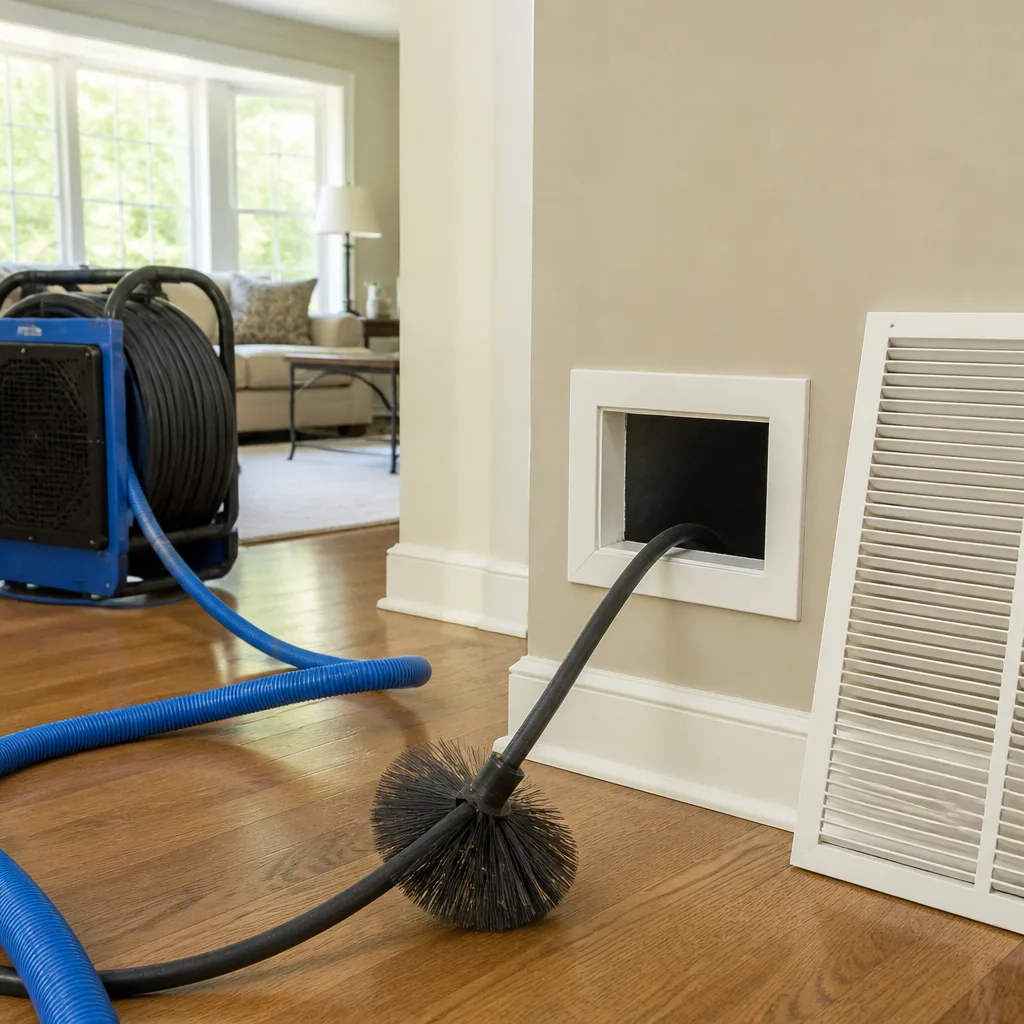 Whole-home duct cleaning
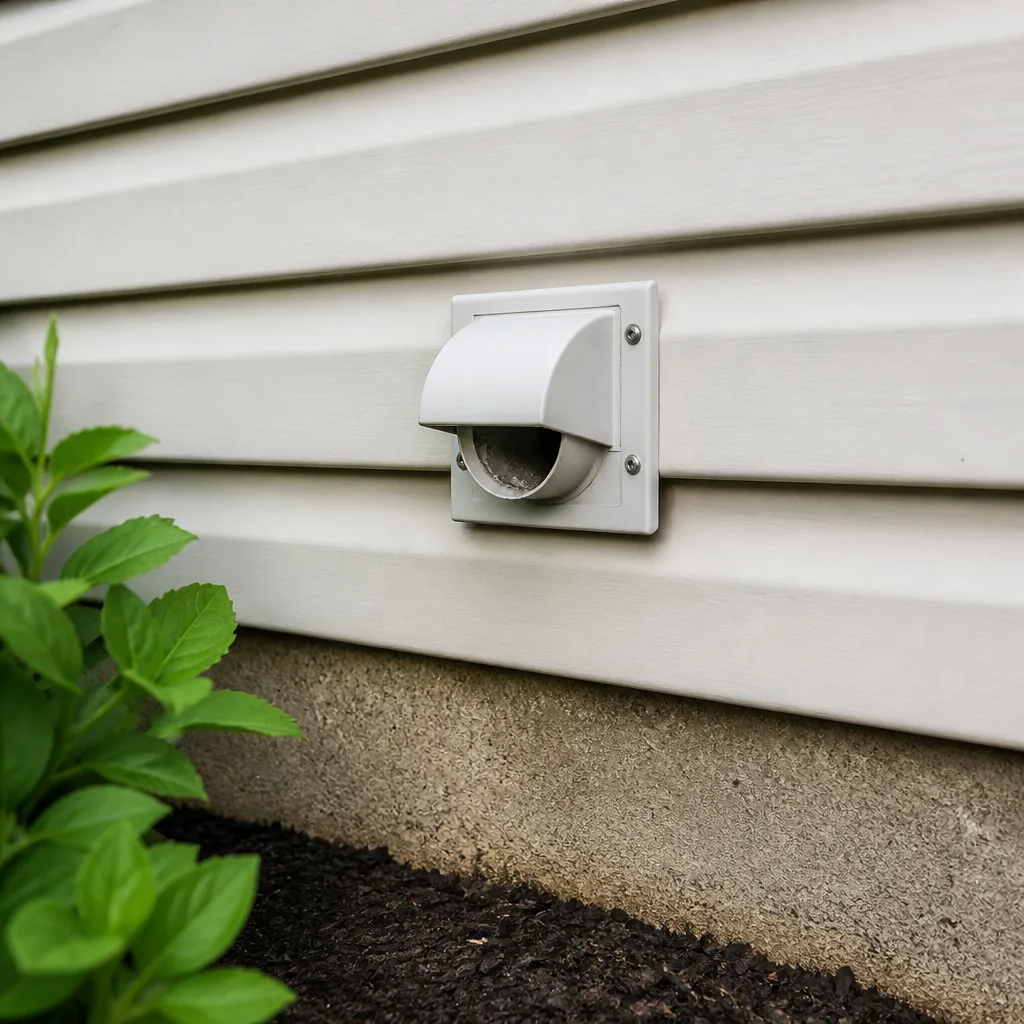 Dryer vent cleaning
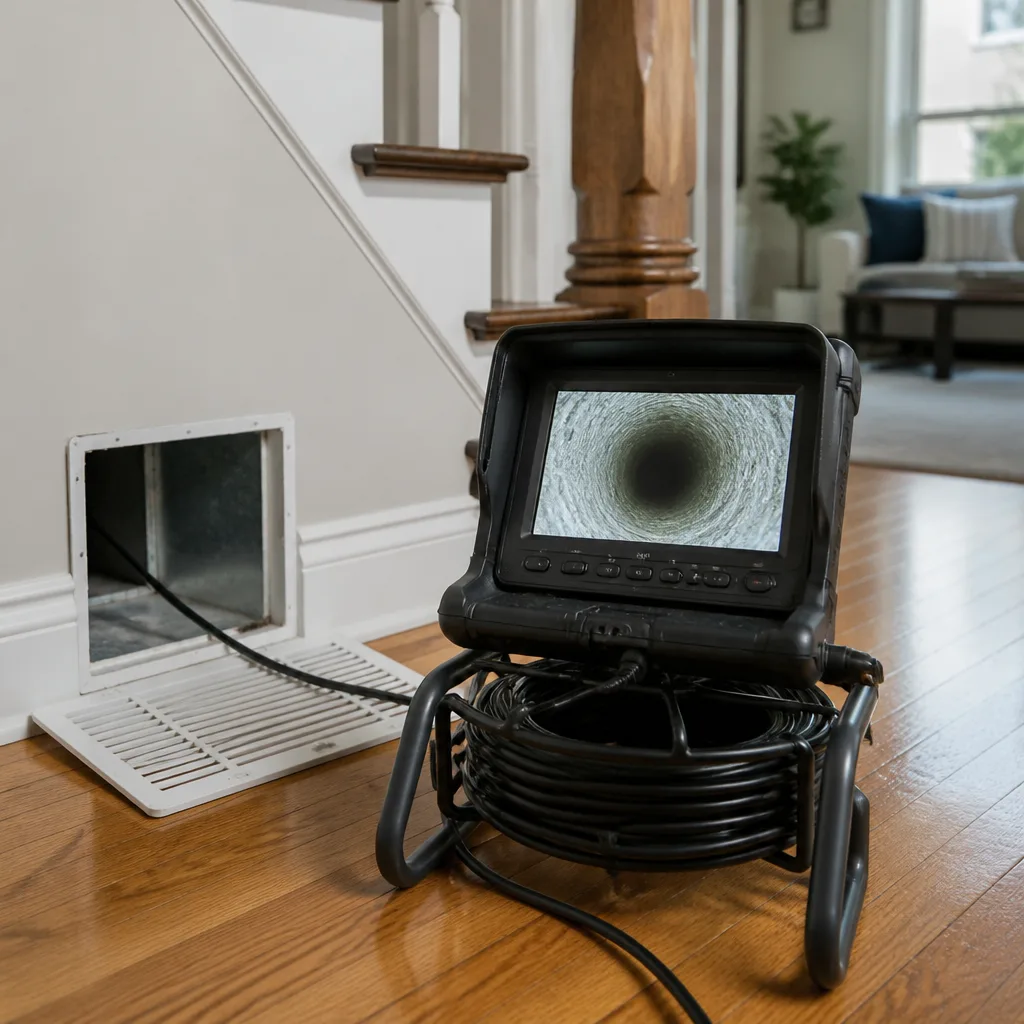 Camera inspection
 Sanitizing & deodorizing
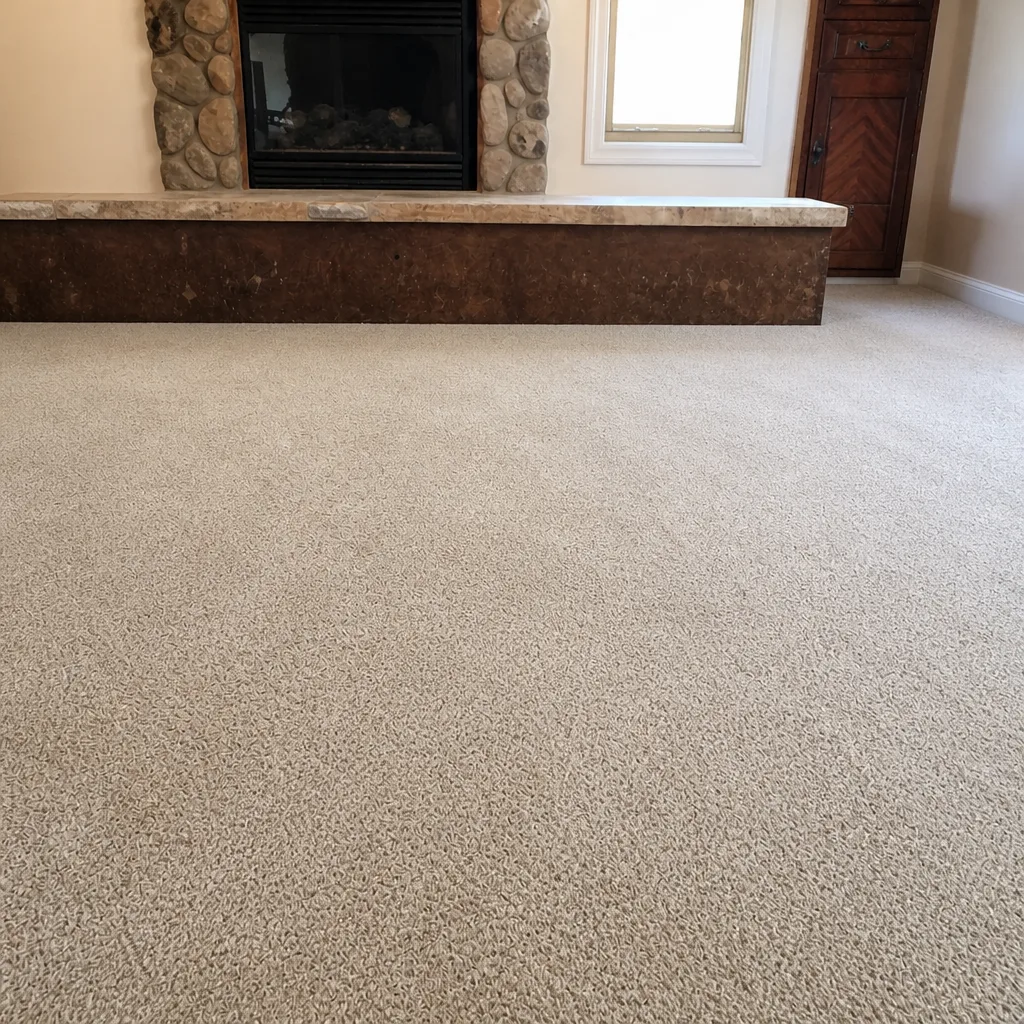
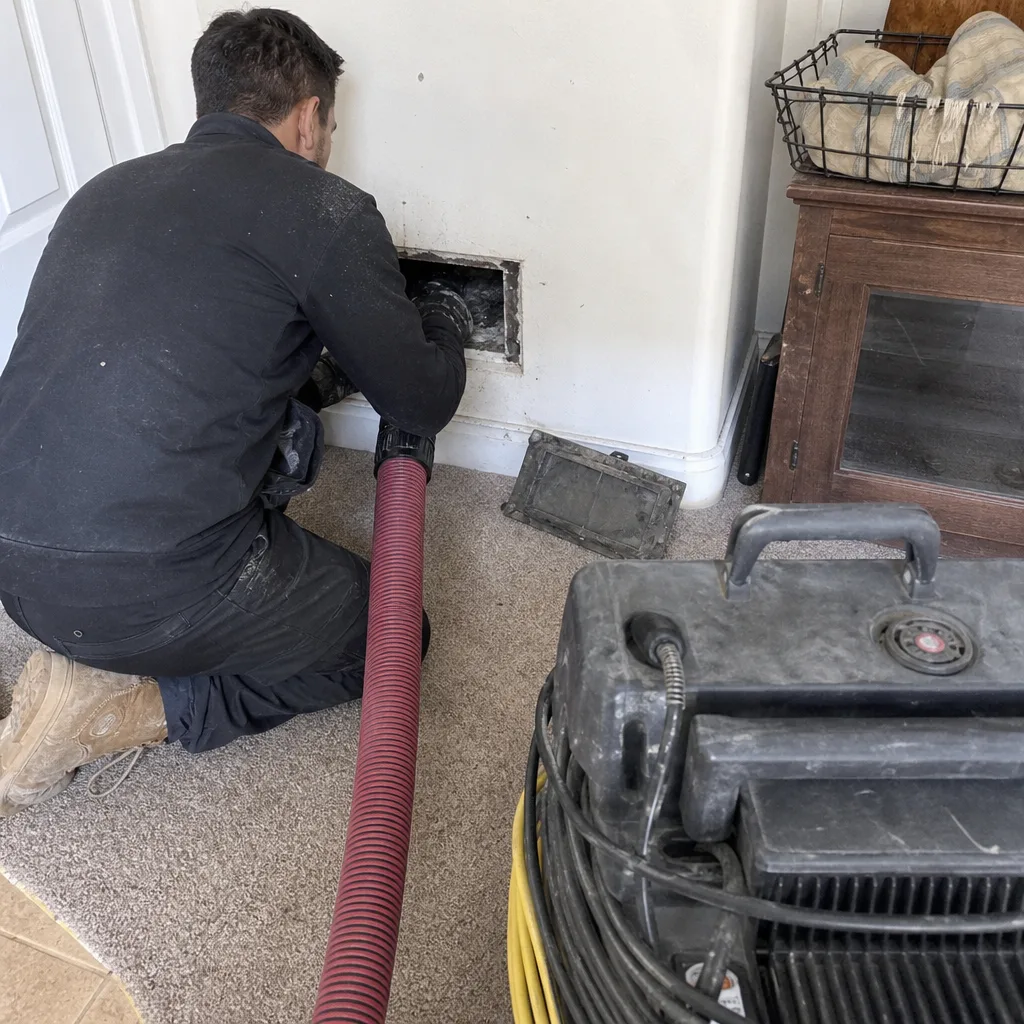
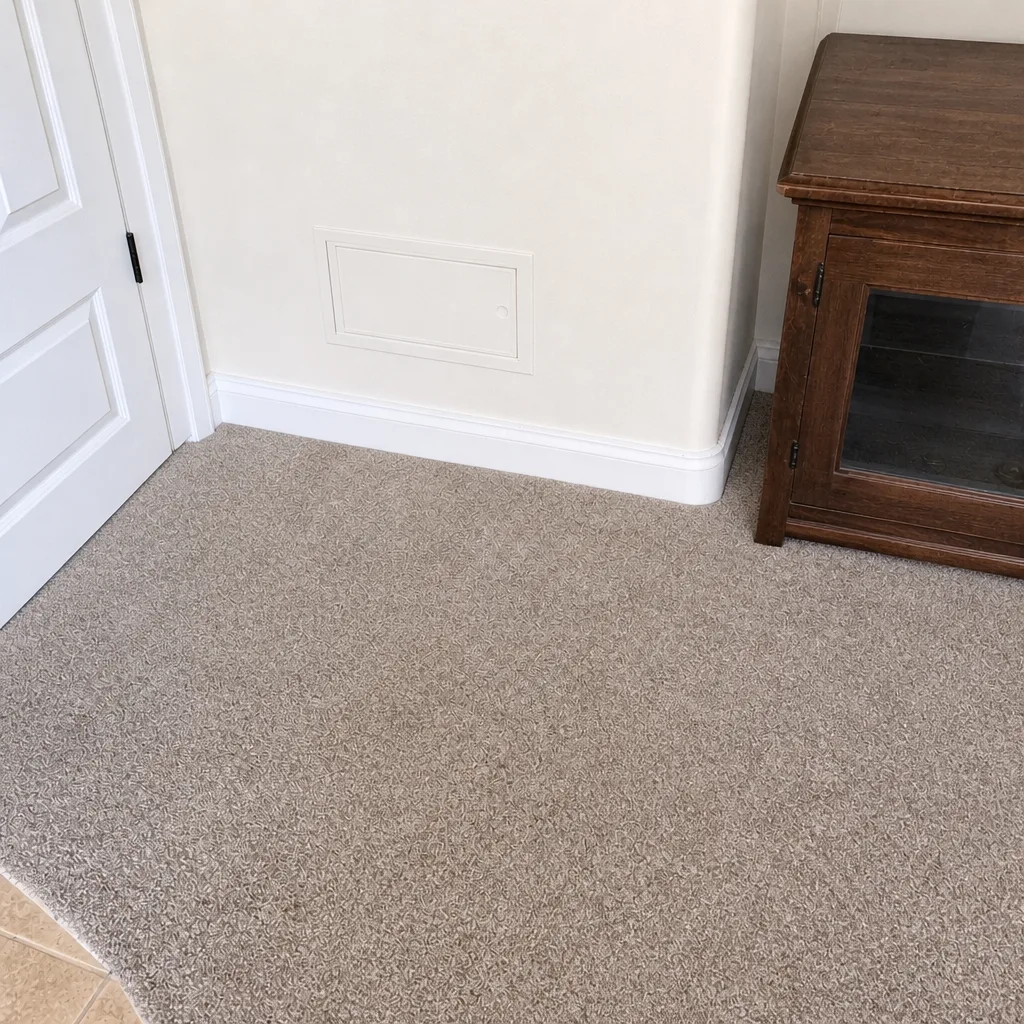
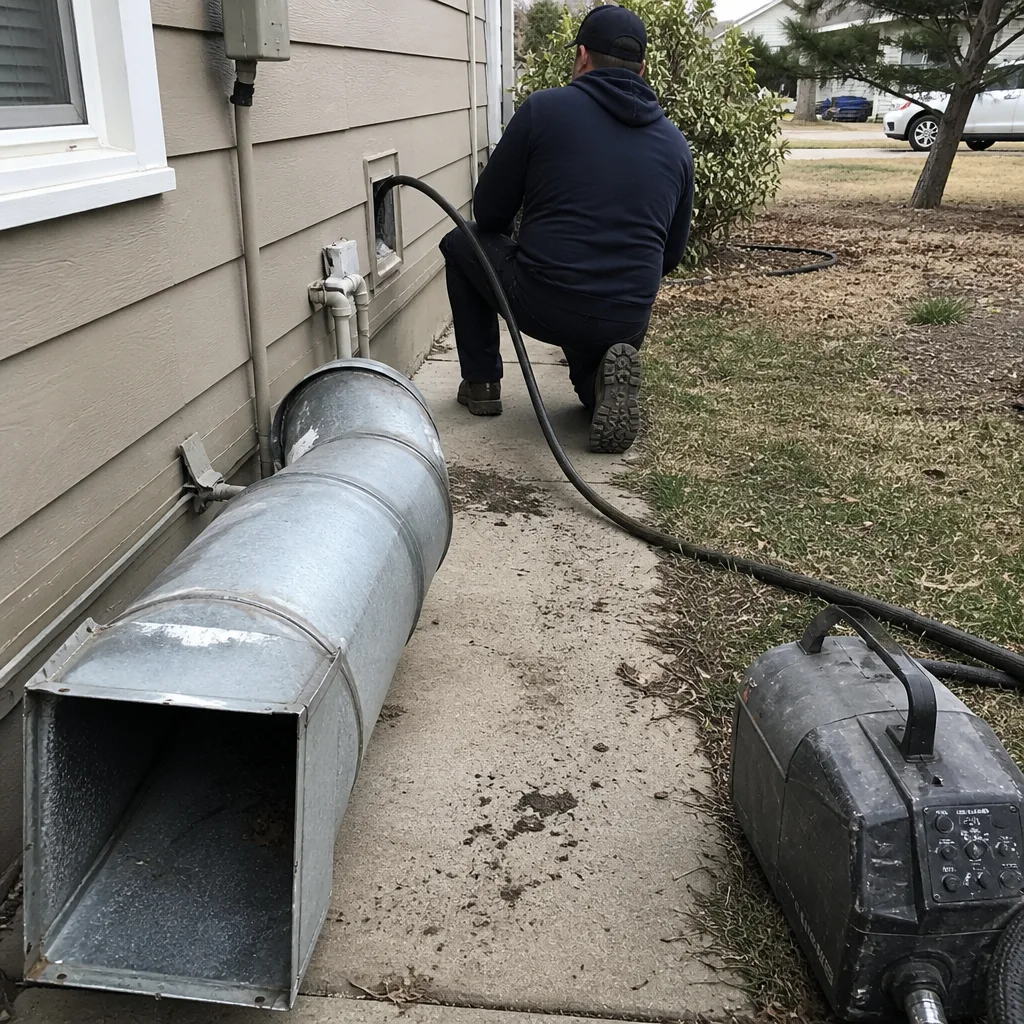
Whole-system duct and dryer vent check with before-and-after photos - you see exactly what came out of your vents
That "$99 whole-house special" is a bait ad - the real number appears once they are in your hallway, or the "clean" is a shop-vac at the register. We photograph the inside of your ducts before and after instead.
Choosing the Right Air Duct Cleaning Brand: A Buyer’s Guide for Greeley
There are fewer than a dozen professional-grade duct cleaning equipment manufacturers in North America. That fact alone tells you something most homeowners never consider: when a contractor shows up with equipment that didn’t come from one of those manufacturers, the cleaning you’re paying for has a ceiling on what it can accomplish. Not because the technician is lazy, but because the tools physically can’t reach or capture what professional systems can. If a contractor can’t name the brand of equipment they use and explain why they chose it for your duct type, that’s diagnostic information. In this guide, we’ll walk through what Rotobrush, Nikro, and Abatement Technologies equipment actually does, how to match equipment to duct material, and what questions separate real operational knowledge from borrowed marketing language. Greeley homeowners deserve to evaluate contractors on capability, not just price or star count.
Quick Answer
The right air duct cleaning brand for your Greeley home is the one that can name its equipment, match that equipment to your duct material, contain what it dislodges, and repair damage instead of just cleaning around it. Professional-grade platforms like Rotobrush, Nikro, and Abatement Technologies exist because duct cleaning is a mechanical and filtration job, not a vacuuming job. If a contractor can’t explain what their equipment is built to do, they’re not the right choice regardless of the price.
Styles & brands we work with
- Whole-home duct cleaning
- Dryer vent cleaning
- Camera inspection
- Sanitizing & deodorizing
Table of Contents
- Why Equipment Brand Is a Functional Specification, Not a Marketing Claim
- The Three Contractor-Class Equipment Platforms and What Each One Does
- How to Match Equipment to Duct Material
- What HEPA Filtration Actually Means on Duct Cleaning Equipment
- Questions to Ask Any Greeley Contractor About Their Equipment
- Why Repair Capability Is the Hidden Differentiator
- Dryer Vent Cleaning: The Service Most Duct Cleaners Treat as an Afterthought
- Common Mistakes to Avoid
- When to Call a Professional
Why Equipment Brand Is a Functional Specification, Not a Marketing Claim
Every professional trade has equipment that separates capability levels. A woodworker with a $40 circular saw and a woodworker with a cabinet-grade table saw are both “cutting wood,” but they aren’t doing the same job. Duct cleaning works the same way. The equipment determines what the technician can physically reach, agitate, and capture.
Consumer vacuums and shop-vacs move air, but they aren’t built to agitate debris that has bonded to duct walls over years. They don’t create enough negative pressure to pull loose material through a long branch run. And they don’t have HEPA-rated filtration, which means fine particulate that gets dislodged can end up back in the breathing space of your home. Professional-grade equipment exists specifically because duct interiors are hostile environments: abrasive, irregular, and often contaminated with material that needs to be captured, not just moved.
Here in Greeley, we see duct systems that have absorbed years of prairie dust, cottonwood fluff in the spring, and dry summer air that leaves seals cracking and joints loosening. Weld County’s climate is hard on ductwork in ways coastal or humid markets don’t experience. That makes the equipment question more relevant here, not less. When you’re evaluating a duct cleaning company in Greeley, the equipment brand tells you what they’re actually set up to do with what’s accumulated in your system.
The Three Contractor-Class Equipment Platforms and What Each One Does
Professional duct cleaning relies on three distinct equipment categories, and a capable contractor understands when each one applies. Here’s what each platform is built for.
Rotobrush: Rotary Brush Contact Cleaning
The Rotobrush system uses a flexible rotary brush on a motorized whip that travels through duct runs, physically contacting and agitating the interior surfaces. This is contact cleaning: the brush is touching the duct wall, loosening bonded debris, and pulling it back toward the vacuum source. It’s especially effective on lined and flex duct, where soft interior surfaces hold debris differently than smooth metal. Rotobrush is the standard for residential duct cleaning because it handles the branch runs and flex connections that dominate modern residential systems.
Nikro: High-CFM Negative Air for Extraction
Nikro produces high-CFM (cubic feet per minute) vacuum and HEPA extraction equipment built to create strong negative pressure across an entire duct system. Where Rotobrush handles contact agitation, Nikro equipment moves the air volume needed to pull dislodged material out of trunk lines and long branch runs. Metal duct systems especially benefit from this: the smooth surfaces release material once agitated, but the material still has to be extracted, and that requires serious air movement. Nikro HEPA-rated vacuum equipment is what makes the difference between “loosened some dust” and “removed debris from the system.”
Abatement Technologies: HEPA-Rated Containment
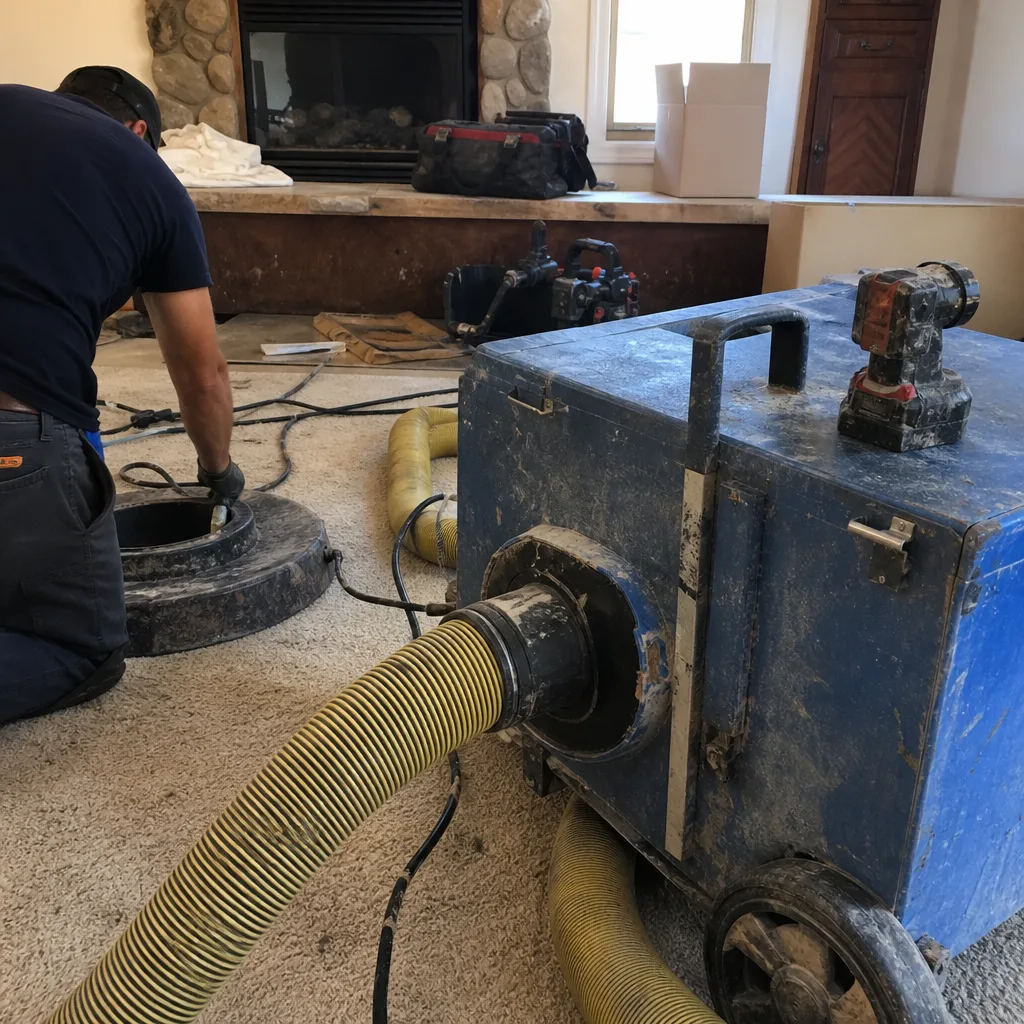
Abatement Technologies air scrubbers and HEPA filtration units are used in restoration and remediation work, where containment isn’t optional. On a duct cleaning job, we use this category of equipment to maintain negative pressure in the work area and contain dislodged debris rather than letting it redistribute into the home. If a contractor is cleaning ducts without this level of containment, fine particulate that leaves the duct can settle in living spaces. That’s the difference between cleaning and disrupting.
When we describe our own operation, this is what we mean by professional-grade equipment, not a shop vac and a hope. Rotobrush and Nikro systems built for this work, not repurposed consumer tools, plus Abatement Technologies filtration to contain what we dislodge. Every job. If you want to see how this plays out in a full air duct cleaning service, that page breaks down the process step by step.
How to Match Equipment to Duct Material
This is where equipment knowledge becomes genuinely important, and where a lot of generic duct cleaning falls apart. Duct material determines what cleaning method is safe. Using the wrong equipment on the wrong material can damage the system you’re paying to clean.
The main residential duct materials you’ll find in Greeley homes:
- Sheet metal (galvanized steel): The most common trunk and branch material in older homes. Smooth surfaces release debris well with agitation and high-CFM extraction. Nikro-style negative air equipment is well-suited here.
- Flexible duct (flex): Common in newer construction and retrofits, especially in attic and crawlspace runs. The interior is a wire-reinforced plastic film, and it’s more delicate than it looks. Rotary brush contact cleaning needs to be done at appropriate pressure and speed so the brush doesn’t snag or tear the liner.
- Duct board (fiberboard): Rigid insulation board with a foil or coated facing, sometimes used for returns and trunk sections. This is where equipment selection matters most. High-pressure agitation on deteriorating fiberboard liner can break down the material itself, leaving fibers in the airstream. A contractor who knows this will adjust the method rather than blast through it.
- Lined metal duct: Metal duct with an interior acoustic or thermal liner. The liner is soft; the metal behind it isn’t. Contact cleaning has to be calibrated so the brush agitates the liner without shredding it.
Here’s the practical point: a contractor who uses the same method on every home regardless of duct material isn’t thinking about equipment at all. They’re running a script. A contractor who asks what your ducts are made of before they start, or who inspects a run before choosing a tool, is demonstrating the exact operational knowledge you should be paying for. In our experience, that question alone filters out a lot of operators who can’t answer it.
What HEPA Filtration Actually Means on Duct Cleaning Equipment
HEPA is one of the most misused terms in the duct cleaning trade. Here’s the functional definition: HEPA (High-Efficiency Particulate Air) filtration captures particles down to 0.3 microns at 99.97% efficiency. That’s the specification standard. When a duct cleaning vacuum is HEPA-rated, the exhaust air leaving the machine has passed through that level of filtration.
Why does that matter? Because the moment you agitate debris inside a duct, you’ve created airborne particulate. If the extraction equipment isn’t HEPA-rated, some of that fine material passes through standard filters and gets recirculated into the living space. The visible dust settles, but the fine particles, the ones small enough to stay airborne and travel through a home, are exactly what standard contractor vacuum filters let through. A homeowner who just paid for duct cleaning shouldn’t be breathing the fine fraction of what came out of the ducts.
This is why we use Nikro HEPA-rated vacuum equipment on every job and deploy Abatement Technologies air scrubbers to maintain negative pressure during service. We contain what we dislodge instead of redistributing it through the home. That’s not a marketing line; it’s the difference between two categories of equipment that physically function differently. If you’re comparing a quote from a company that says “HEPA” and one that doesn’t mention filtration at all, ask what specifically their equipment is rated for. A contractor using genuine HEPA-rated extraction will tell you the machine and the rating. A contractor using the word loosely won’t be able to.
If your home already has filtration equipment, we also work with and around trusted indoor air quality brands like Honeywell and Aprilaire. Your existing filtration investment stays in place and gets respected through the cleaning process, not bypassed.
Questions to Ask Any Greeley Contractor About Their Equipment
The fastest way to separate real operational knowledge from borrowed marketing language is to ask specific questions about equipment. Here’s a numbered list you can take to any estimate.
- “What equipment brand do you use, and why did you choose it?” A contractor with real knowledge will name the platform (Rotobrush, Nikro, Abatement Technologies, or similar) and explain what it’s suited for. Vague answers like “top of the line” or “commercial grade” without a brand name are a signal.
- “Is your extraction equipment HEPA-rated?” Follow up with “what’s the filtration efficiency?” If they can’t tell you the rating, the answer is effectively no.
- “How do you contain debris during the job?” Look for negative air containment, air scrubbers, or a described process. “We put down drop cloths” isn’t containment of airborne particulate.
- “How do you adjust your method for flex duct versus metal duct versus duct board?” If the answer is “we clean them all the same,” you’ve learned what you needed to know about their approach.
- “Will you show me photos of my own ducts before and after?” Professional-grade work produces verifiable evidence. Before-and-after photos of your specific system are a reasonable request.
- “Do you repair ductwork, or only clean it?” If they only clean, ask what happens when they find a disconnected joint or torn liner. A cleaning-only operator will tell you it’s out of scope, which means you’ll need a second contractor.
- “Are you insured and bonded?” Ask for documentation. Anyone doing work inside your home should be able to confirm this.
Here’s a Greeley-specific note: ask whether the contractor has worked with your home’s specific construction era. A lot of Greeley homes from the mid-century building booms and the newer subdivisions east of town have very different duct layouts. A contractor who walks into your basement or attic and starts identifying the system type accurately before quoting is showing you their equipment knowledge in action. If you’d like to compare notes with someone who uses this equipment category daily, Duct Cleaning Greeley is a reasonable starting point for the conversation.
Why Repair Capability Is the Hidden Differentiator
Here’s something most duct cleaning comparisons leave out entirely: cleaning reveals problems that cleaning alone can’t fix. Disconnected flex runs, torn duct liner, unsealed joints, crushed sections in tight attic runs. A cleaning-only contractor finds these things, mentions them, and moves on. You’re left with cleaned ducts that still leak.
Repair capability changes the job. When a contractor has the materials and experience to work with sheet metal and flex duct, the cleaning becomes the diagnostic and the fix becomes the completion. A disconnected joint gets reconnected and sealed. A torn liner gets addressed. A crushed flex run gets replaced. All in the same visit, by the same team that just cleaned.
This matters because a significant share of residential duct systems have hidden leaks. In Greeley’s dry climate, ductwork expands and contracts through hot summers and cold winters, and joints that were tight years ago may not be now. When we run a camera through a system and find a problem, we can fix it during the same job. That’s the point of offering duct repair as a dedicated service alongside cleaning, not as a referral to a different contractor who shows up two weeks later.
When you’re evaluating any contractor, ask how they handle discovered damage. “We’ll put you in touch with someone” is a very different answer from “we’ll handle it.”
Dryer Vent Cleaning: The Service Most Duct Cleaners Treat as an Afterthought
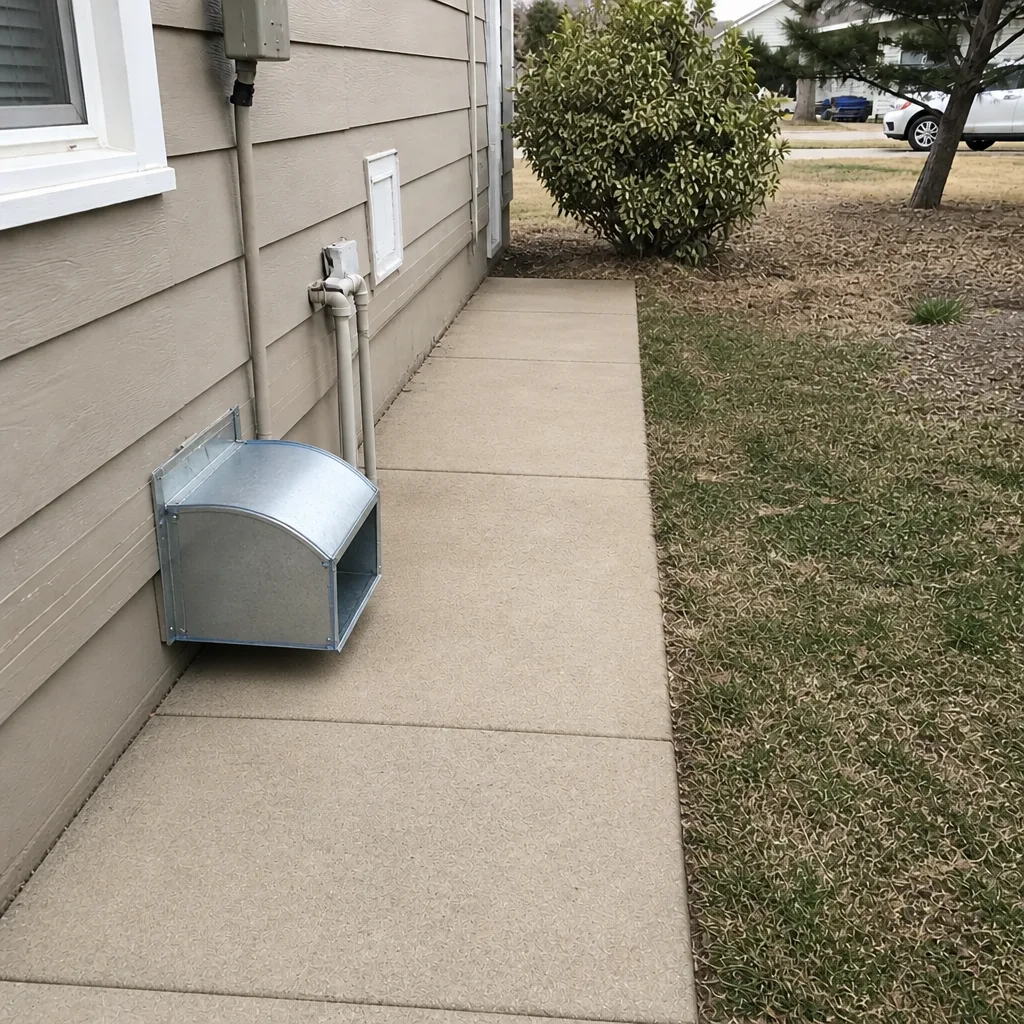
Dryer vents are part of the duct system in your home and they carry a documented fire risk when lint accumulates. Most duct cleaning companies treat dryer vent cleaning as a tack-on service if they offer it at all. We treat it as a dedicated service because it addresses a different risk profile than HVAC duct cleaning: lint buildup in a dryer vent restricts airflow, raises operating temperatures, and increases fire risk.
On a dryer vent cleaning visit, the goal is clearing the full run from the dryer connection to the exterior termination. That means removing lint from the vent pipe and checking the exterior hood for proper operation. If the run is long or has multiple elbows, that’s more places for lint to collect. Greeley’s dry climate makes lint especially combustible, so keeping the vent clear matters here.
If you’re evaluating a duct cleaning company and they can’t explain how they handle dryer vent cleaning, ask. It’s a reasonable test of whether they think about the whole system or just the HVAC side.
Common Mistakes to Avoid
- Buying on price alone. Duct cleaning quotes vary widely because the equipment varies widely. A very low quote usually indicates consumer equipment and a fast pass, not professional extraction and containment. Ask what the price includes in terms of equipment and time.
- Accepting “we use HEPA” without asking for the machine and rating. HEPA is a specification, not a marketing adjective. If they can’t name the equipment and the efficiency rating, they’re not using it.
- Assuming all duct material cleans the same way. A contractor who runs the same method on deteriorating duct board and new metal duct is a contractor who isn’t thinking about the system. Ask how they adjust for material.
- Choosing a contractor who cleans but doesn’t repair. When damage is discovered during cleaning, you want a team that can fix it. Cleaning-only operators leave you to find a second contractor and pay for a second visit.
- Skipping the containment question. Cleaning makes airborne particulate. Without containment, that particulate settles in your home. Ask how debris is contained during the job, not just after.
- Ignoring dryer vent cleaning as part of the picture. Treating dryer vent cleaning as a separate, less important service leaves a documented fire risk unaddressed. If you’re scheduling duct service, include the vent on the same visit.
- Not asking for before-and-after photos of your own system. Photos of your specific ducts are how you verify the work. If a contractor won’t provide them, ask why.
See the difference
 Before
 After
 Before
 After
 Before
 After
When to Call a Professional
There are clear scenarios where professional duct cleaning and inspection is the right call. If you’ve recently bought a home in Greeley and don’t know the service history of the ductwork, an inspection and cleaning establishes a baseline. If you’ve finished a renovation, drywall dust and construction debris end up in the system. If allergy symptoms or visible dust patterns suggest a system problem, or if you’ve noticed reduced airflow from certain registers, that’s a sign of blockage or disconnection. And if it’s been years since the ducts were cleaned, or if you’ve never had it done in the home you own now, it’s worth having a professional assess the system. Duct Cleaning Greeley offers free estimates in Greeley; call (833) 467-7154 with questions about your system, or read more about air duct cleaning first.
Frequently Asked Questions
The right company depends on what you need, but the criteria for evaluating one are consistent: professional-grade equipment they can name, HEPA-rated extraction, containment during the job, and the ability to repair damage they find. A company that can explain its equipment and process, provide before-and-after photos of your own ducts, and handle repair as part of the same visit is the one worth choosing. Capability beats branding.
Professional duct cleaning typically uses three categories of equipment: rotary brush systems like Rotobrush for contact agitation of duct interior surfaces, high-CFM HEPA vacuum systems like Nikro for extraction, and HEPA air scrubbers like those from Abatement Technologies for containment during the job. A contractor who names their equipment and explains what each platform is built to do is demonstrating real operational knowledge.
HEPA-rated means the filtration system captures particles down to 0.3 microns at 99.97% efficiency. On duct cleaning equipment, that matters because agitation creates airborne fine particulate. Without HEPA filtration, that particulate can pass through standard filters and recirculate into the home. Ask any contractor to specify the machine and the rating.
There’s no single interval that fits every home, but most homeowners benefit from an inspection after a renovation, a home purchase, or if they notice airflow problems or visible dust patterns. If you’ve never had the ducts cleaned in your home, a professional assessment is a reasonable starting point. Dryer vent cleaning is a separate consideration and is often recommended based on lint buildup rather than a fixed schedule.
Not when the equipment matches the duct material. The risk comes from contractors using aggressive high-pressure methods on delicate surfaces like fiberboard duct liner, which can break down the material. A knowledgeable contractor inspects the duct type and adjusts the equipment and pressure accordingly. Ask how they handle flex duct and duct board before you book.
Duct cleaning is a specialty service, and requirements vary. Ask any contractor you hire to confirm they’re insured and bonded, and to provide documentation. Beyond licensing, the more useful filter is whether they can explain their equipment, process, and containment method in specific terms. If they can’t answer those questions, licensing status alone won’t tell you whether they’ll do a good job.
The Bottom Line
Equipment brand is a functional specification in duct cleaning. It determines what a contractor can agitate, what can be extracted, and what gets contained versus redistributed. Rotobrush handles contact cleaning on lined and flex duct. Nikro provides high-CFM HEPA extraction for metal systems. Abatement Technologies containment keeps what’s dislodged out of your living space. A contractor who can name these platforms and explain how they match them to your duct material is showing you verifiable capability. A contractor who can’t is showing you the ceiling on their work. Repair capability is the hidden differentiator: if they can’t fix what they find, cleaning alone leaves the system incomplete. Our technicians have up to 12 years of experience, and we’ve built our process around professional-grade equipment, containment, and repair so the work is verifiable from start to finish.
If you’re ready to talk through your system with someone who can answer equipment questions directly, call Duct Cleaning Greeley at (833) 467-7154 for a free estimate. We answer 24/7. Fast dispatch from 7am to 7pm, Sunday through Friday.
Written by the team at Duct Cleaning Greeley.