
Last updated November 15, 2026
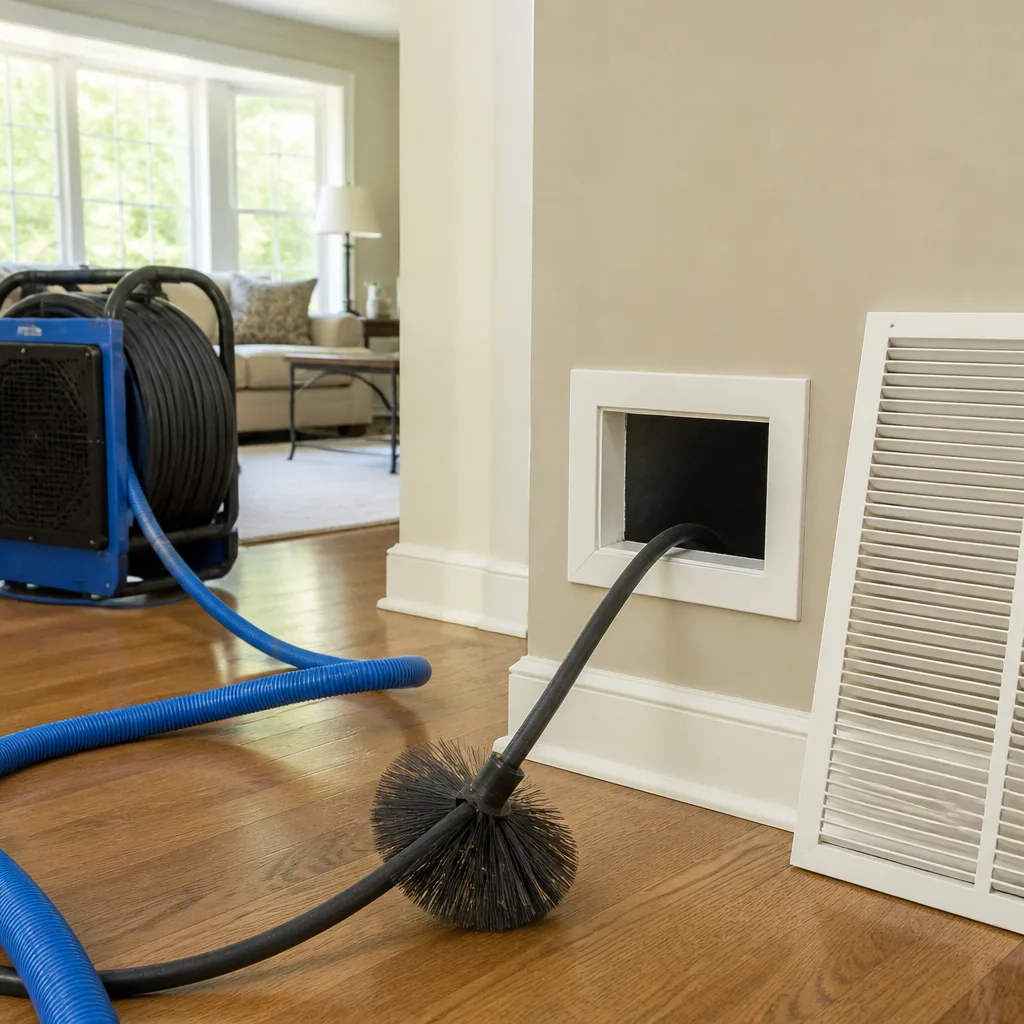 Whole-home duct cleaning
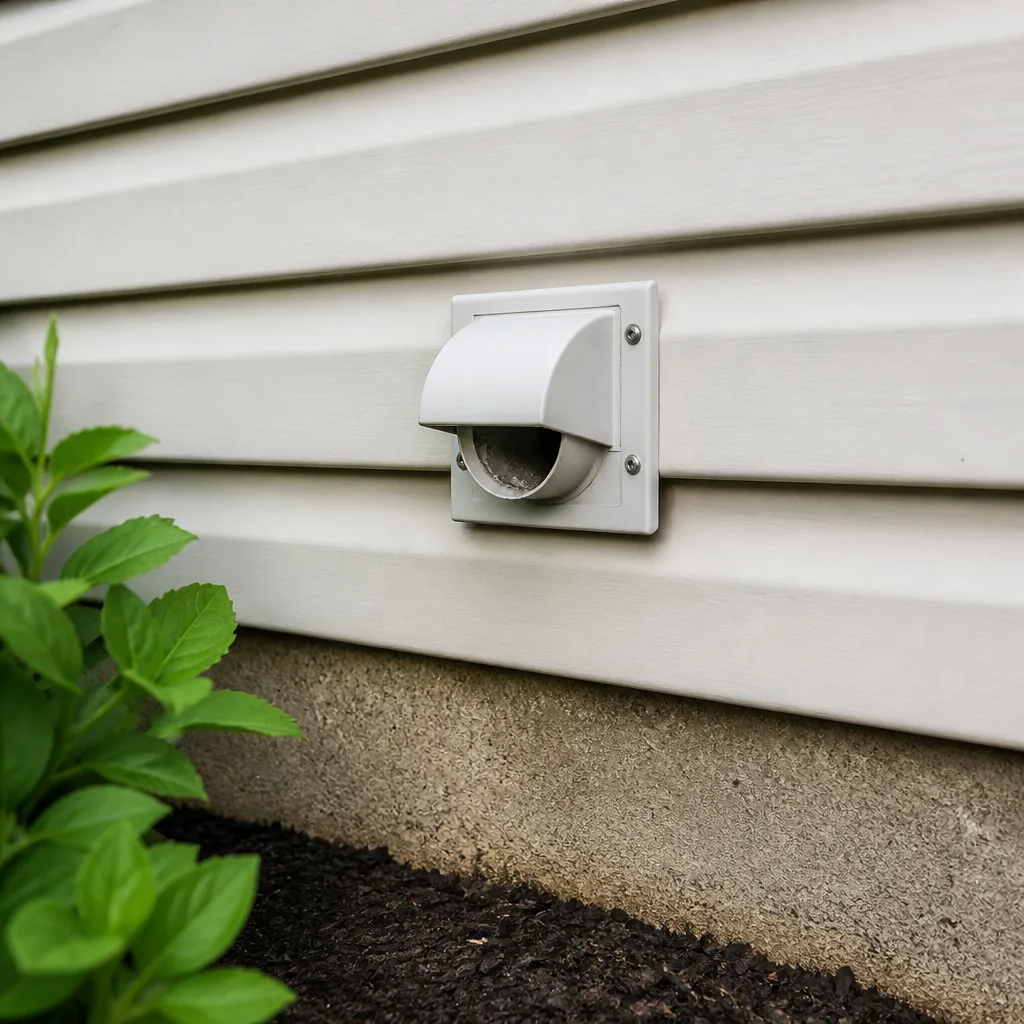 Dryer vent cleaning
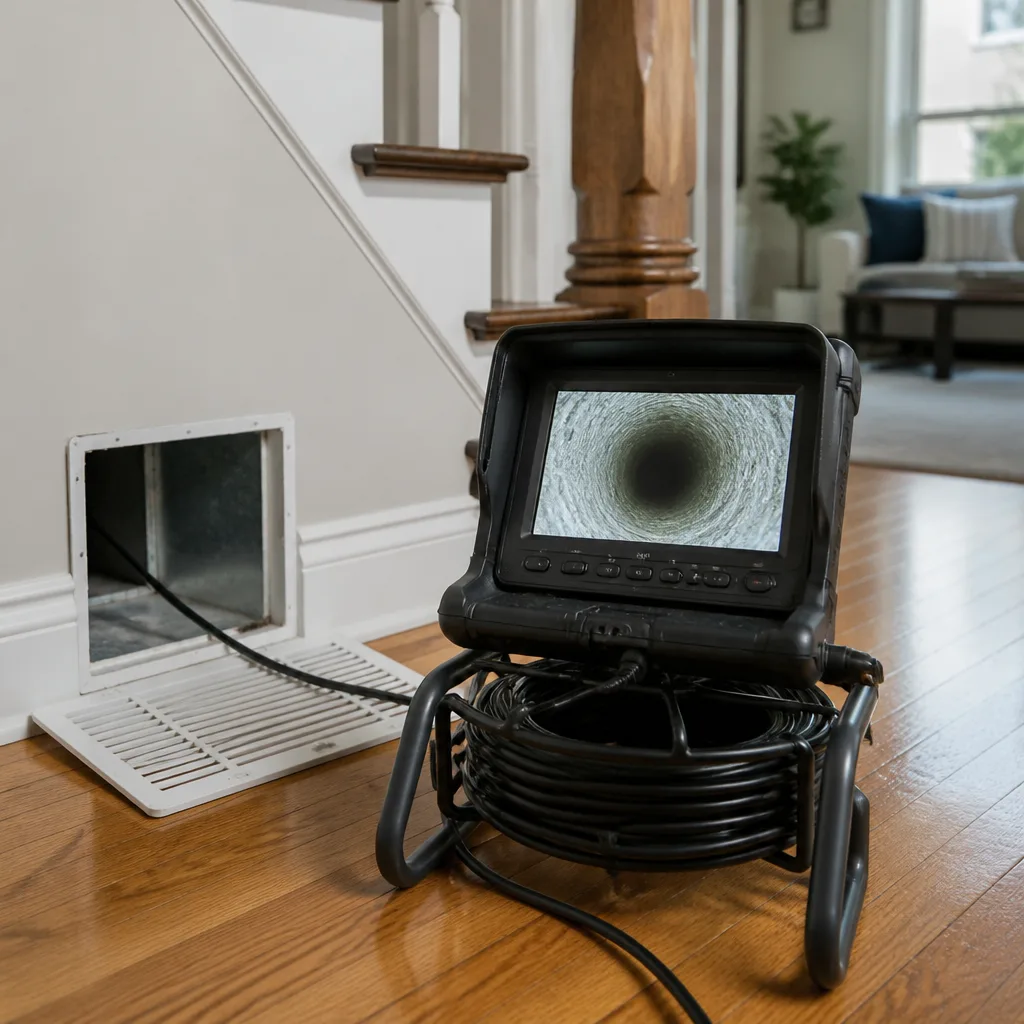 Camera inspection
 Sanitizing & deodorizing
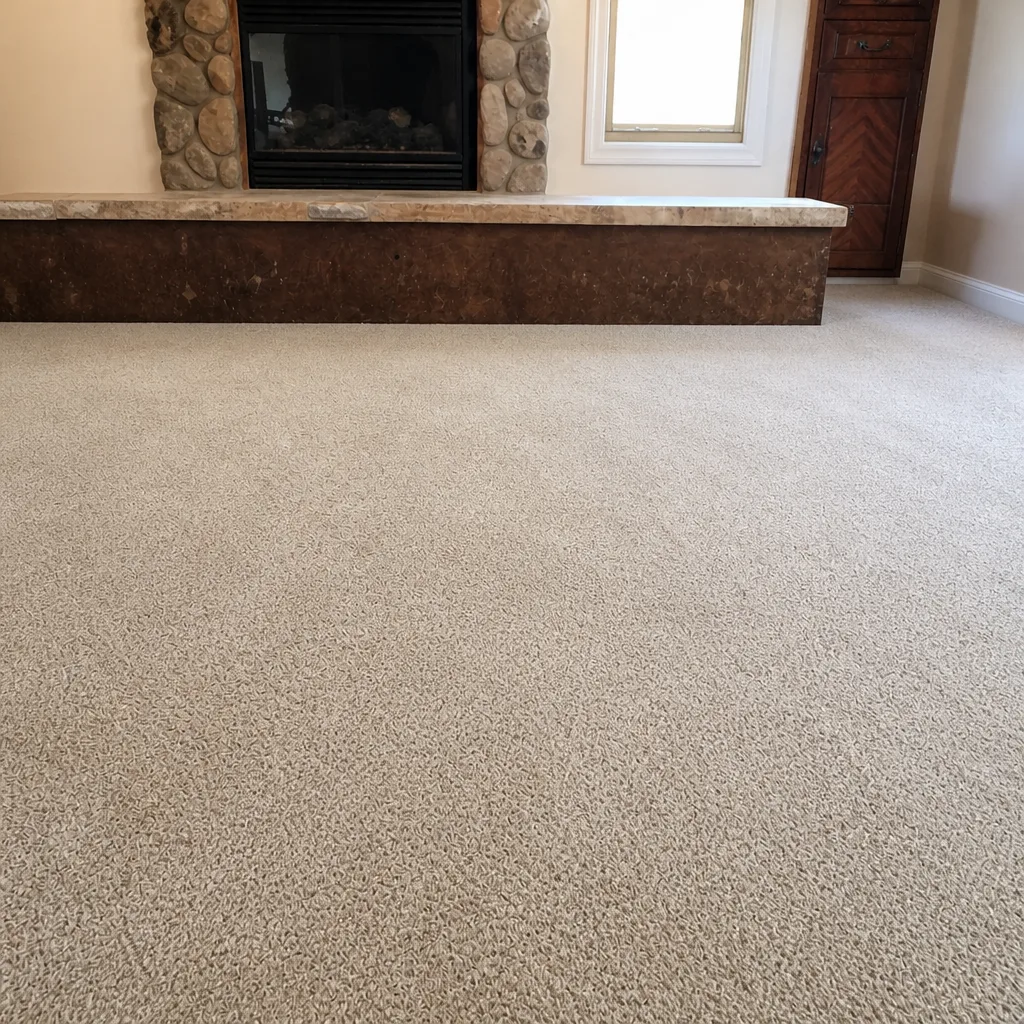
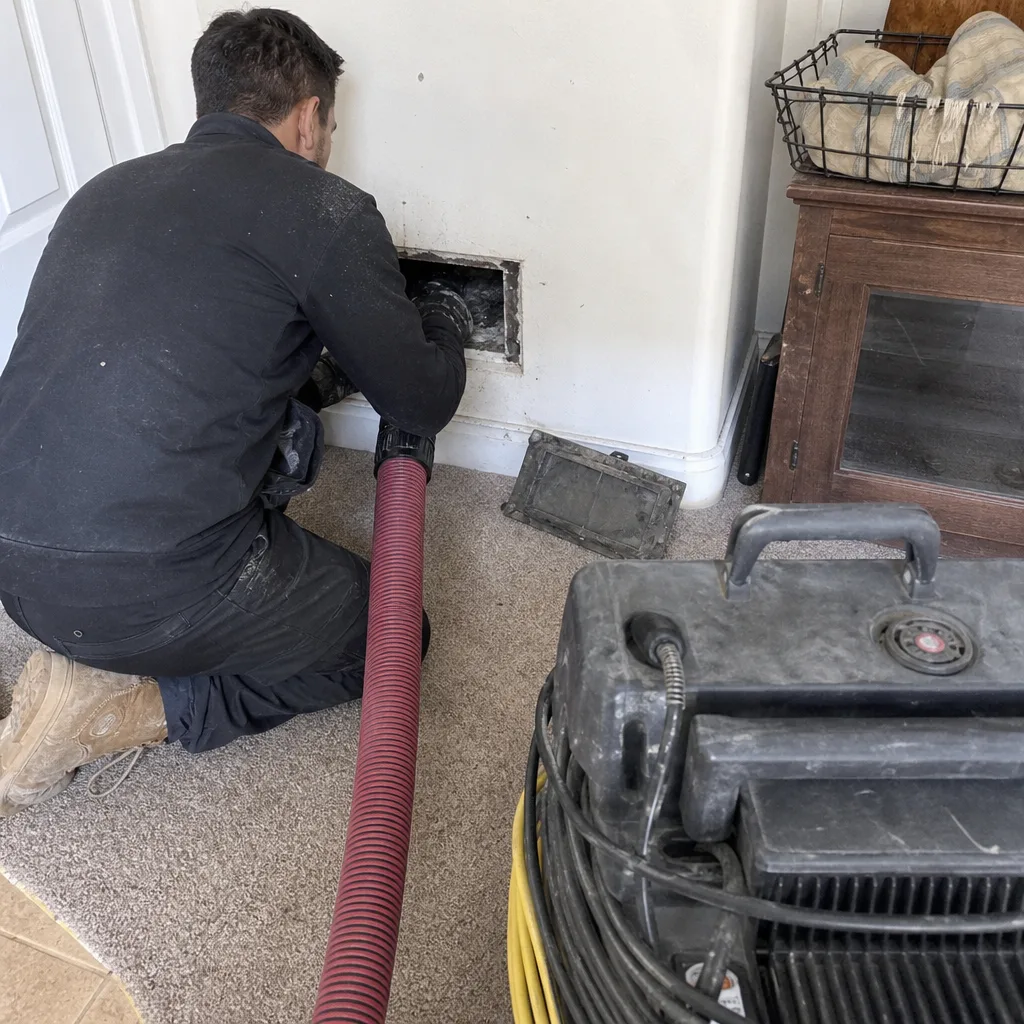
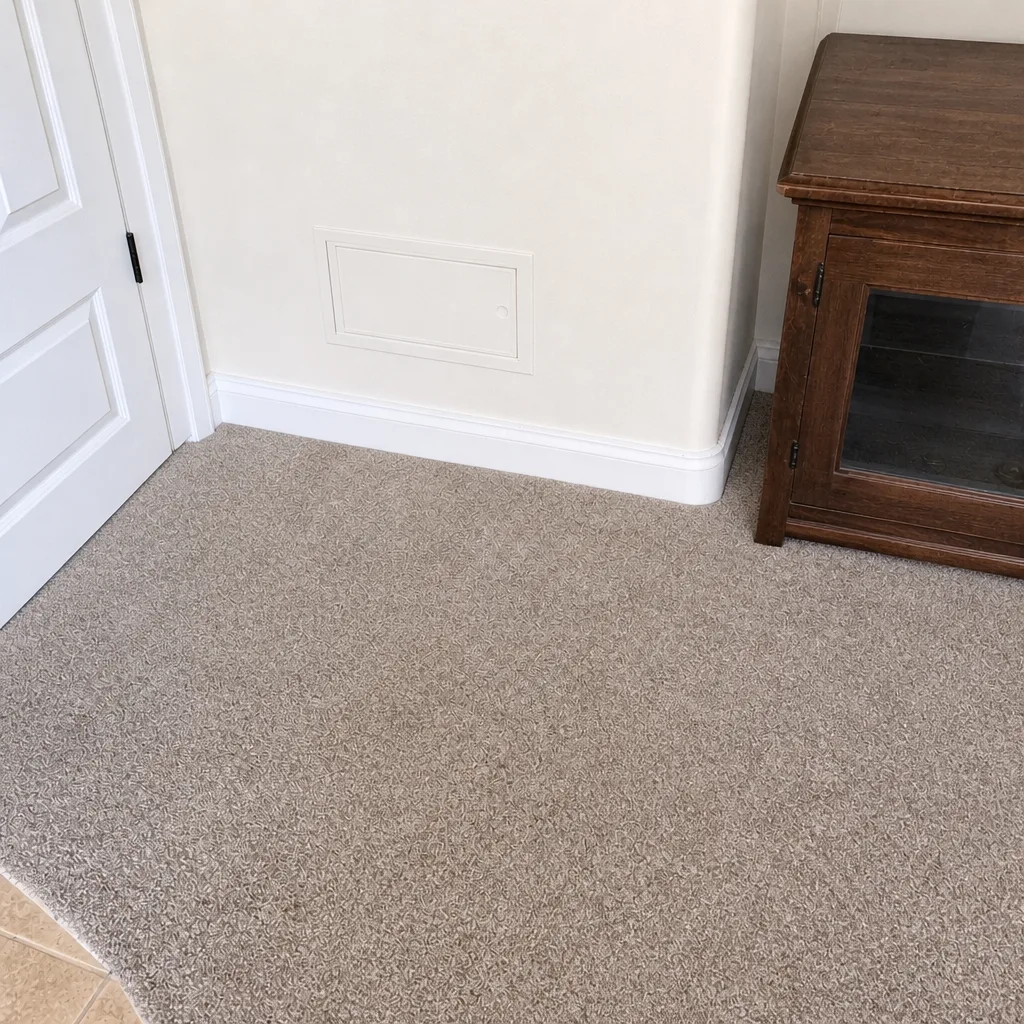
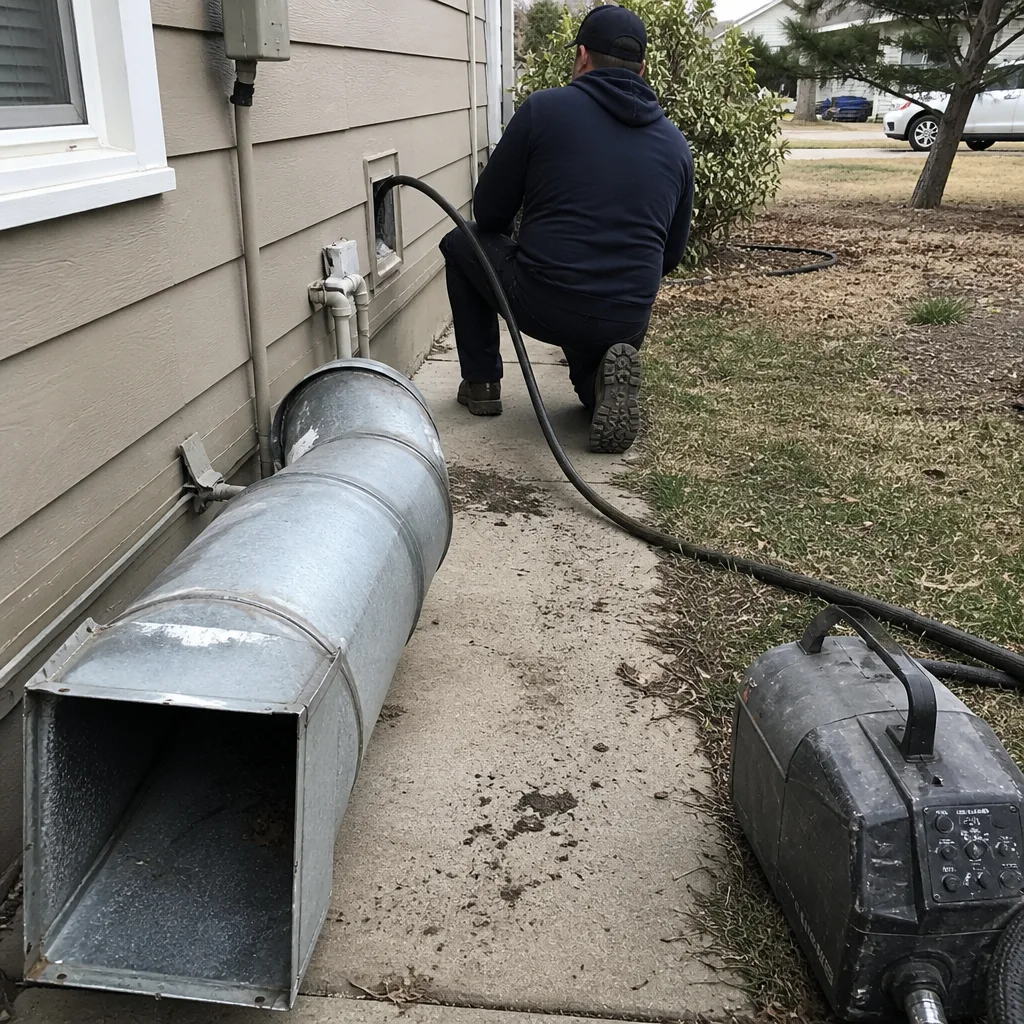
Whole-system duct and dryer vent check with before-and-after photos - you see exactly what came out of your vents
That "$99 whole-house special" is a bait ad - the real number appears once they are in your hallway, or the "clean" is a shop-vac at the register. We photograph the inside of your ducts before and after instead.
Air Duct Cleaning Troubleshooting in Greeley: Common Problems and How to Fix Them
If your home is still dusty two weeks after a duct cleaning, the cleaner probably didn’t cause it – but they may have missed it. Here’s how to tell the difference between a bad job and a bad duct system. Most of the post-cleaning complaints we hear in Greeley fall into two buckets: work that wasn’t done properly, and duct defects that cleaning was never going to fix in the first place. The frustrating part is that both look identical from the living room couch. A fine layer of dust returns to the coffee table. A bedroom stays cold while the hallway cooks. A faint smell shows up every time the furnace kicks on. This guide walks you through diagnosing which category your problem belongs to, using the same inspection steps a technician uses, so you can decide whether to call the original crew back, call a repair-capable contractor, or simply adjust your expectations.
Quick Answer
If your home is still dusty, uneven, or musty after a duct cleaning in Greeley, the cause is usually one of three things: the cleaning was surface-level and debris remains in the runs, a duct component is damaged or disconnected (collapsed flex duct, leaking plenum, stuck damper), or moisture upstream of the supply plenum is feeding a problem cleaning can’t touch. A flashlight-and-phone-camera check at your registers tells you which one you’re dealing with in about ten minutes.
Styles & brands we work with
- Whole-home duct cleaning
- Dryer vent cleaning
- Camera inspection
- Sanitizing & deodorizing
Table of Contents
- How do you check whether the ducts were actually cleaned?
- Why is airflow uneven after a cleaning?
- Why does the house smell musty after duct cleaning?
- How do you tell if a real vacuum setup was used?
- What damage can cleaning not fix?
- What about the dryer vent?
- How do you verify the next job was done right?
- When should you call a professional?
How do you check whether the ducts were actually cleaned?
You check by looking inside the supply registers with a flashlight and, where the run is deep, a phone camera on video mode. Clean ductwork has a uniform interior surface: the metal or flex liner is visible, dry, and free of the grey-brown dust mat that builds up over years. A surface-level swipe job leaves the first six inches clean and the debris field intact further in. That’s the single most common reason a home feels dusty again within a couple of weeks.
Here’s the inspection routine we recommend to any Greeley homeowner, whether the cleaning happened last month or last year:
- Remove a supply register grille in a room that gets heavy use, ideally a bedroom or the room nearest the furnace.
- Shine a flashlight straight down the boot and into the run. Look at the far wall of the duct, not just the opening.
- If the run bends out of sight, switch your phone to video, turn the flash on, and lower it slowly. Review the footage on the screen.
- Wipe one interior surface with a white paper towel. Light grey film is normal settling. A thick brown smear means the run wasn’t agitated.
- Repeat at two or three registers. A single dirty register can be a damper issue. Three dirty registers means the job was incomplete.
- Check the return grille last. Returns collect the most debris, and a crew that skipped them did not clean the system.
What clean ducts actually look like matters here, because “clean” gets used loosely. Professional agitation with a rotary brush system breaks the dust mat loose from the duct wall, and the vacuum carries it out. The duct surface should look scuffed and dry, not polished, and it should not shed a cloud when you tap the side. If your inspection finds debris, photograph it with a date stamp. That’s your evidence for a call-back.
Why is airflow uneven after a cleaning?
Uneven airflow after a cleaning is almost always a duct problem, not a cleaning problem. Cleaning restores capacity that debris was blocking, but it can’t repair a duct that has physically failed. In Greeley homes, we see three causes over and over, and they behave differently enough that you can usually narrow it down yourself before anyone arrives.
A collapsed flex duct section. Flex duct is the corrugated silver stuff running through attics and crawlspaces. It kinks, sags, or gets crushed under stored boxes, and a crushed section strangles airflow to everything downstream. The room at the end of that run goes weak while the rest of the house seems fine. A cleaning crew with a rotary brush can’t fix this. A repair-capable contractor replaces the section.
A dirty or stuck damper. Dampers are the lever-operated flaps inside branch runs that balance air between rooms. They seize, or they get left half-closed by someone balancing the system years ago. A cleaning crew can free a stuck damper as part of the job in many cases, but a broken damper linkage needs replacement.
An undersized return. If a Greeley home has one small return for a large floor plan, the system starves for air no matter how clean the ducts are. Rooms farthest from the return suffer most. This is a design issue. Cleaning won’t change it, and neither will a damper adjustment. The fix is adding return capacity, which is repair work.
One quick test: hold a tissue against each supply register while the system runs. If one register barely moves the tissue while others flutter it hard, you’ve found a restricted run. That’s the run to inspect first.
Why does the house smell musty after duct cleaning?
A musty smell that appears or persists after a duct cleaning usually points to moisture upstream of the supply plenum, and rotary brush agitation alone won’t resolve it. The supply plenum is the big metal box sitting on top of the furnace where conditioned air enters the duct system. If water is collecting there, or if the evaporator coil pan is draining poorly, that damp metal feeds a biological issue that lives in the duct liner and insulation. Cleaning disturbs it, the smell gets stronger for a few days, then settles into a low background odor every time the blower runs.
Where the moisture comes from in a Greeley home:
- A clogged condensate drain. The AC coil pan fills, overflows, and wets the plenum and nearby duct insulation. Northern Colorado’s dry air doesn’t prevent this. It happens indoors, in the cooling season.
- Attic duct condensation. Uninsulated or under-insulated flex runs in a hot attic can sweat where cool air meets warm duct walls.
- Roof or plumbing leaks tracking into a chase. Water finds the duct run because that’s the open path through the framing.
- High indoor humidity from a humidifier set wrong. Honeywell and Aprilaire humidifiers do their job well until a setting gets bumped, and then the whole system runs damp.
Here’s the honest limit: if the smell is biological and growing in the liner, cleaning plus moisture correction is the answer, and the moisture source has to be found first. Cleaning a damp duct and leaving the water source in place just resets the problem. Ask any contractor you hire how they’ll confirm the moisture source before they clean. A crew that can’t answer that question is guessing.
How do you tell if a real vacuum setup was used?
You tell by looking for the physical evidence of a negative-pressure setup: sealed registers, a connected vacuum, HEPA filtration, and a truck or portable unit hooked into the system. Real duct cleaning puts the whole duct system under negative pressure so that anything dislodged gets captured instead of blowing into your living room. A shop-vac-and-hose workaround does the opposite. It stirs debris loose and redistributes it through the house.
After the job, look for these signs of a proper vacuum setup:
- All supply and return registers were removed and reseated. Look for clean screw heads, no stripped holes, grilles seated flush.
- A single point of high-volume vacuum connection. Usually the main trunk or the plenum, and you’ll see the access point. A proper job creates one access and seals it afterward.
- Register openings were covered or taped during agitation. Look for tape residue around openings and no dust streaks on the walls near them.
- HEPA-rated filtration on the vacuum. Nikro HEPA equipment captures fine particulate. Ask what vacuum the crew used; the answer should come easily.
- Air scrubbers running during the job. Abatement Technologies filtration units hold negative pressure and contain debris in the work area. If you saw one running in the house, that’s a good sign.
- No dust cloud event. If the house got hazier while the crew worked, the containment failed.
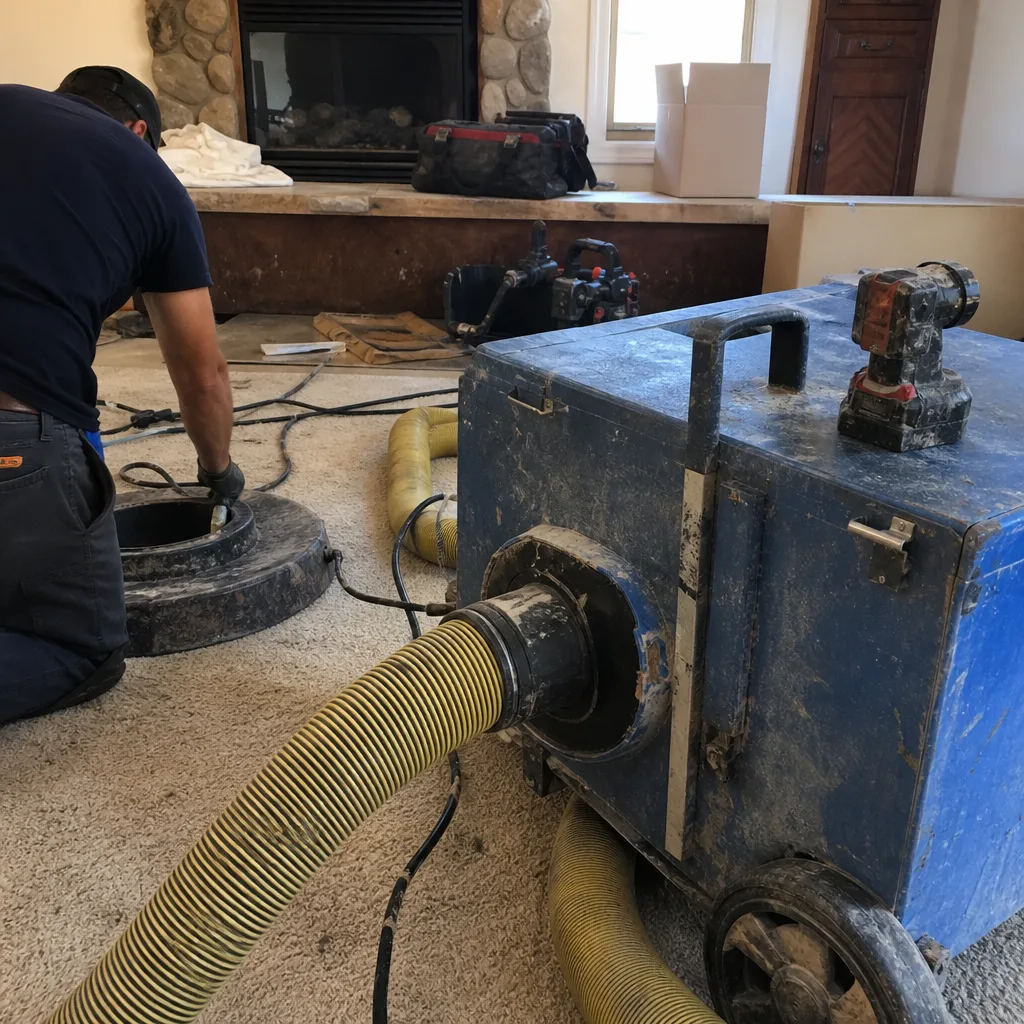
Professional-grade equipment, not a shop vac and a hope. That’s the practical difference between a job that leaves the ducts clean and one that just moves the dust from the ducts into your curtains. Our air duct cleaning work uses Rotobrush rotary brush systems for agitation and Nikro HEPA vacuums for capture, with Abatement Technologies scrubbers containing what gets dislodged. If you’re comparing quotes, ask what equipment each crew plans to use. The answer tells you most of what you need to know.
What damage can cleaning not fix?
Cleaning removes debris. It does not repair ductwork, and a significant share of post-cleaning complaints are really duct repair problems that were present before the cleaning ever started. A brush can’t reconnect a separated joint, seal a leaking seam, or replace a crushed run. If the diagnosis points to structural damage, you need a contractor who does repair, not just cleaning.
These are the repair scenarios we handle most often in Greeley, and each one produces a symptom homeowners mistake for a bad cleaning:
- Disconnected or separated duct joints. Flex duct sections pull apart at the collar, especially where they were stretched tight at install. Symptom: a room that never gets enough air, and dust in the attic or crawlspace near the break.
- Leaking plenum seams. Sheet metal plenum joints leak at the seams and folds. Symptom: dust settling on top of the furnace and nearby framing, plus lost capacity before air reaches the rooms.
- Crushed or collapsed flex runs. Symptom: one dead room, hard tissue test at that register.
- Damaged boot connections. The boot is where the duct meets the floor or wall register. Loose boots leak air into wall cavities. Symptom: cold floors, whistling, and rooms that never quite balance.
- Panned joist returns with open seams. Older homes sometimes use framing cavities as return paths. Open seams pull dusty attic or crawlspace air into the system.
Duct sealing, flex duct replacement, and plenum patching are the three repairs that come up most. All three require mastic, foil tape rated for ductwork, mechanical fasteners, and a technician who knows how to cut in a replacement section without wrecking the pressure balance. That’s a different skill set from cleaning. When you hire, ask directly whether repair is handled by the same crew or referred out. A referred repair means a second visit, a second company, and a gap where nobody owns the whole picture. We clean it, and if we find damage, we repair it in the same visit with the same team.
What about the dryer vent?
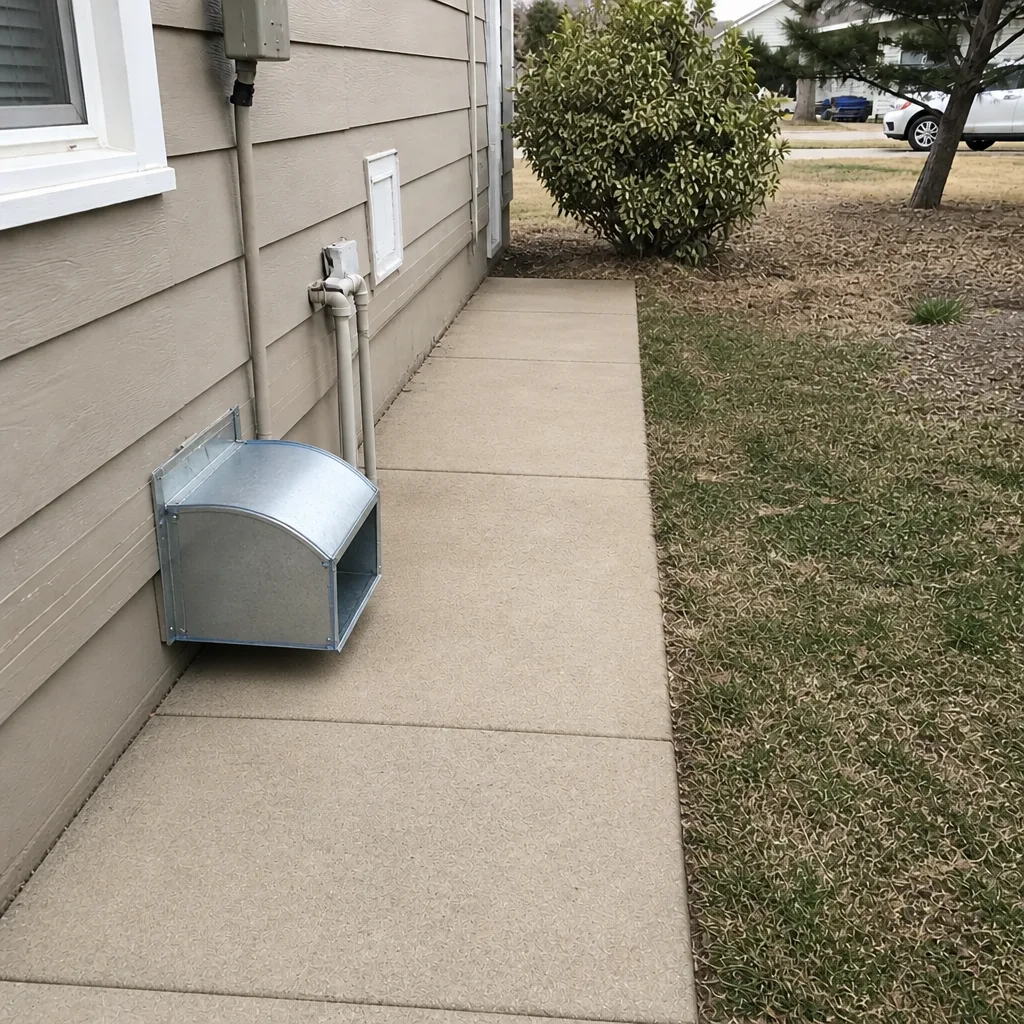
The dryer vent is a separate system from your HVAC ducts, and it’s the one most often left out of a cleaning quote entirely. Lint accumulates in the vent run and around the dryer’s exhaust connection, and lint is highly flammable. A dryer vent is a fire-risk waiting room, and most budget cleaning crews treat it as an afterthought or skip it. If your dryer takes two cycles to dry a load, or the outside vent flap barely moves, the run is restricted.
What a proper dryer vent cleaning involves:
- Disconnecting the dryer and inspecting the transition duct behind it.
- Running a rotary brush or air whip through the full vent run from the dryer side.
- Pulling the exterior hood and clearing the flap and the screen area, where lint packs hardest.
- Vacuuming out the accumulated lint at both ends with HEPA equipment.
- Reconnecting the dryer with a smooth metal transition duct, not flexible foil, and checking the run for crushing behind the appliance.
A restricted dryer vent is a daily-use appliance pointed at a lint load, and it deserves its own service call rather than a five-minute add-on. Our dryer vent cleaning is a dedicated service, scheduled on its own, so the run gets the full treatment. If it’s been years since yours was cleared, that’s the first thing to book.
How do you verify the next job was done right?
You verify with before-and-after photos of your own ducts, taken by the crew, plus a walkthrough of what they found and what they did. This is the single most useful protection against the industry’s bait-and-switch reputation, where a low coupon price becomes a much bigger invoice once the technician is on site. A crew with nothing to hide will show you the inside of your ducts on a screen and explain what changed.
A short verification checklist for the next cleaning:
- Written estimate before work starts. One flat price per system, agreed in advance. Not a per-vent price that grows as registers are counted. Not a teaser coupon that becomes a larger invoice.
- Before-and-after photos of your own ducts. Not stock images. Not someone else’s job.
- Equipment named up front. Rotobrush, Nikro, Abatement Technologies. Ask.
- Access points created and sealed. Count them; confirm they’re closed properly when the crew finishes.
- Repair findings documented. If they find damage, you should get photos and a clear description of what’s wrong before anything is quoted.
- Existing IAQ equipment respected. If you have a Honeywell or Aprilaire filtration system, the crew should know how to work around it without damaging filters or bypassing the housing.
One habit that pays off: ask the crew to leave the register off the run they found dirtiest and shoot a photo inside it yourself. You’ll have a dated baseline for the next time. When you’re ready to compare, duct cleaning in Greeley is the page to start from, and you can see our full scope in the Greeley service area page.
Common Mistakes to Avoid
- Judging a cleaning by the day-of experience instead of the two-week result. Dust settling for a day or two after agitation is normal. Dust returning to the same level at two weeks means debris remains or a duct is leaking.
- Hiring on price alone. A quote well below the field has to come from somewhere: fewer runs cleaned, no containment, shop-vac equipment, or a per-vent price that grows once the crew is inside. Ask what equipment they use before you compare numbers.
- Skipping the return side. Returns collect more debris than supplies. A crew that cleans supplies and skips returns did half the job. Check the return grille first when you verify.
- Assuming a musty smell will clear on its own. If a smell gets stronger right after cleaning and fades to a background odor, moisture is feeding it. Cleaning alone won’t fix it, and waiting lets the problem spread through the system.
- Treating airflow problems as duct problems without inspecting. A crushed flex run in the attic and a stuck damper in a branch both kill airflow to one room, but they need different repairs. Basic diagnosis first, then decide.
- Forgetting the dryer vent. It’s not part of your HVAC ducts, and a cleaning quote that doesn’t mention it left out the highest fire-risk item in the house.
- Not asking who does the repair. If the cleaning crew refers duct repair out, you’ll deal with two companies and nobody owns the whole outcome. Repair capability on the same team saves you the second call and the second diagnostic.
See the difference
 Before
 After
 Before
 After
 Before
 After
When to Call a Professional
Call a professional when your own flashlight inspection finds debris past the register boot, when one room’s airflow has dropped noticeably, when a musty smell won’t go away after cleaning, or when you spot dust in the attic near a duct joint. Call after a renovation that generated fine dust, after buying a home with unknown service history, or if it’s been years since the system got attention. And call immediately if the dryer takes two cycles to dry a load. These are diagnostic problems, not DIY problems. Duct Cleaning Greeley offers free estimates in Greeley, and we bring repair capability to the same visit as the cleaning. Call (833) 467-7154. We answer 24/7. Fast dispatch from 7am to 7pm, Sunday through Friday. Our technicians have up to 12 years of experience, and we stay with the job until it’s clean and the ductwork is sound.
Frequently Asked Questions
Duct cleaning in Greeley is quoted per system, by a written estimate, not per vent, because system size and layout vary home to home. We don’t publish a teaser number, and you shouldn’t trust one from a phone call. The estimate is free and the price is set before work starts, based on what your system actually contains. Call (833) 467-7154 for an exact quote. Our technicians have up to 12 years of experience diagnosing systems before quoting them.
Cheap quotes are usually cheap because something’s missing: no negative-pressure vacuum, no register covers, no HEPA filtration, fewer runs cleaned, or a per-vent price that grows once the crew is inside. A proper job takes equipment and time, and that costs. Ask any contractor what equipment they’ll use before comparing numbers. If they can’t name it, the quote tells you what you need to know.
Ask for before-and-after photos of your own ducts, taken during the job, and walk the registers yourself with a flashlight. You should see clean interior surfaces and reseated grilles. If a crew can’t produce photos of your actual system, that’s the answer to your question. We show photos on every job because it’s the honest way to close one out.
Most homes do well on a multi-year interval, sooner if there are pets, recent renovations, allergy concerns, or a home purchase with unknown service history. The honest answer depends on what your register inspection shows, not a calendar rule. Inspect one supply and one return yearly and let the condition drive the timing.
Yes. Flex duct replacement, duct sealing, and plenum patching are handled by the same technicians who do the cleaning, in the same visit when conditions allow. That matters in Greeley because a second company means a second diagnostic and a second schedule. We clean it, and if we find damage, we repair it, same visit, same team.
Yes. We service systems compatible with Honeywell and Aprilaire filtration and humidification equipment, and we work carefully around it so filters, housings, and controls stay in good shape. If your home has an IAQ setup, tell us at booking so the crew arrives prepared to protect it.
The Bottom Line
Most lingering problems after a duct cleaning come down to two questions: was the job done right, and is there something in the ducts that cleaning can’t fix? Your register inspection answers the first. Airflow and odor patterns answer the second. Failures fall into four categories: incomplete cleaning, damaged ductwork, moisture upstream of the supply plenum, or equipment that never got under negative pressure in the first place. Each has a different fix, and none of them require a second guess if you check the way a technician checks. Diagnose first, then call. It’s the only way to know you’re booking repair or cleaning rather than paying for a repeat of what didn’t work.
Call Duct Cleaning Greeley at (833) 467-7154 for a free estimate. We answer 24/7. Fast dispatch from 7am to 7pm, Sunday through Friday. Professional-grade Rotobrush and Nikro equipment, Abatement Technologies containment, and repair capability on the same team. One flat price per system, agreed before work starts, with before-and-after photos of your own ducts when we finish.
Written by the team at Duct Cleaning Greeley.