
Last updated November 15, 2026
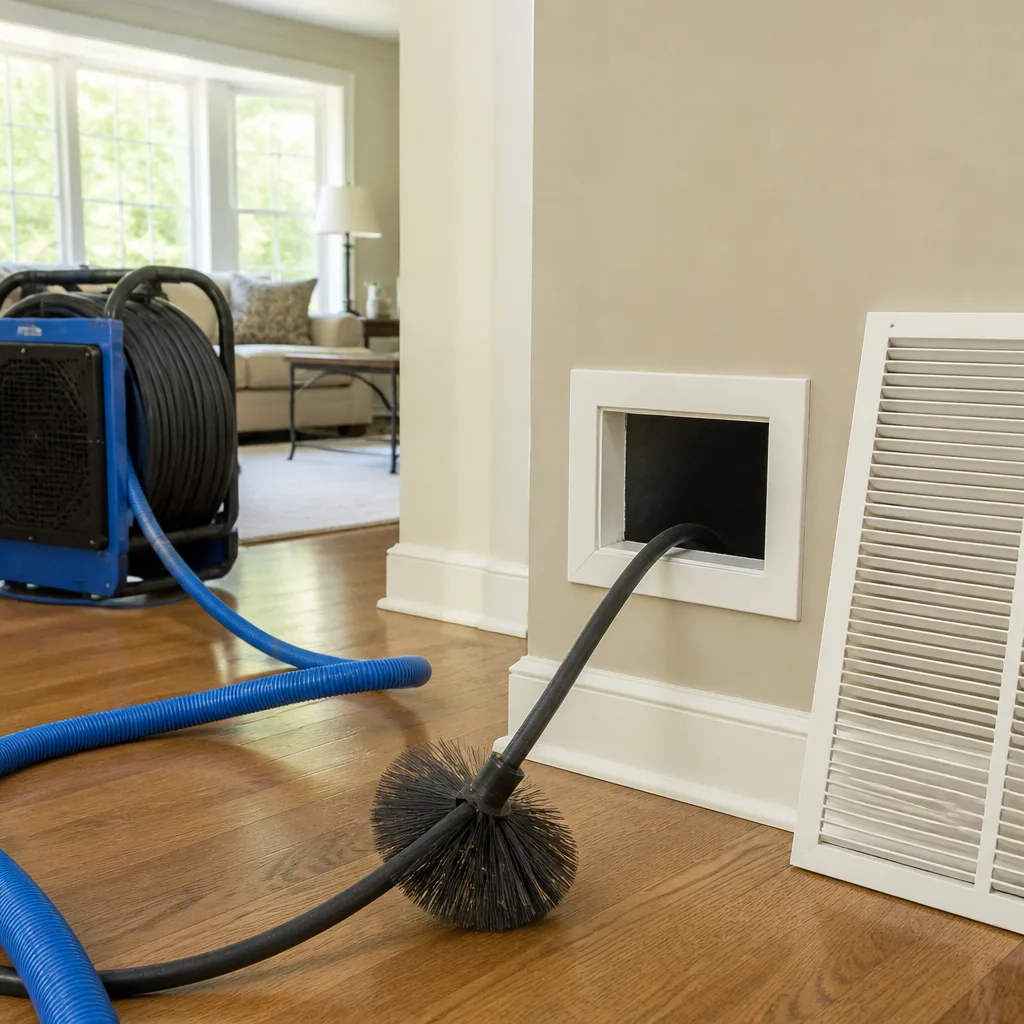 Whole-home duct cleaning
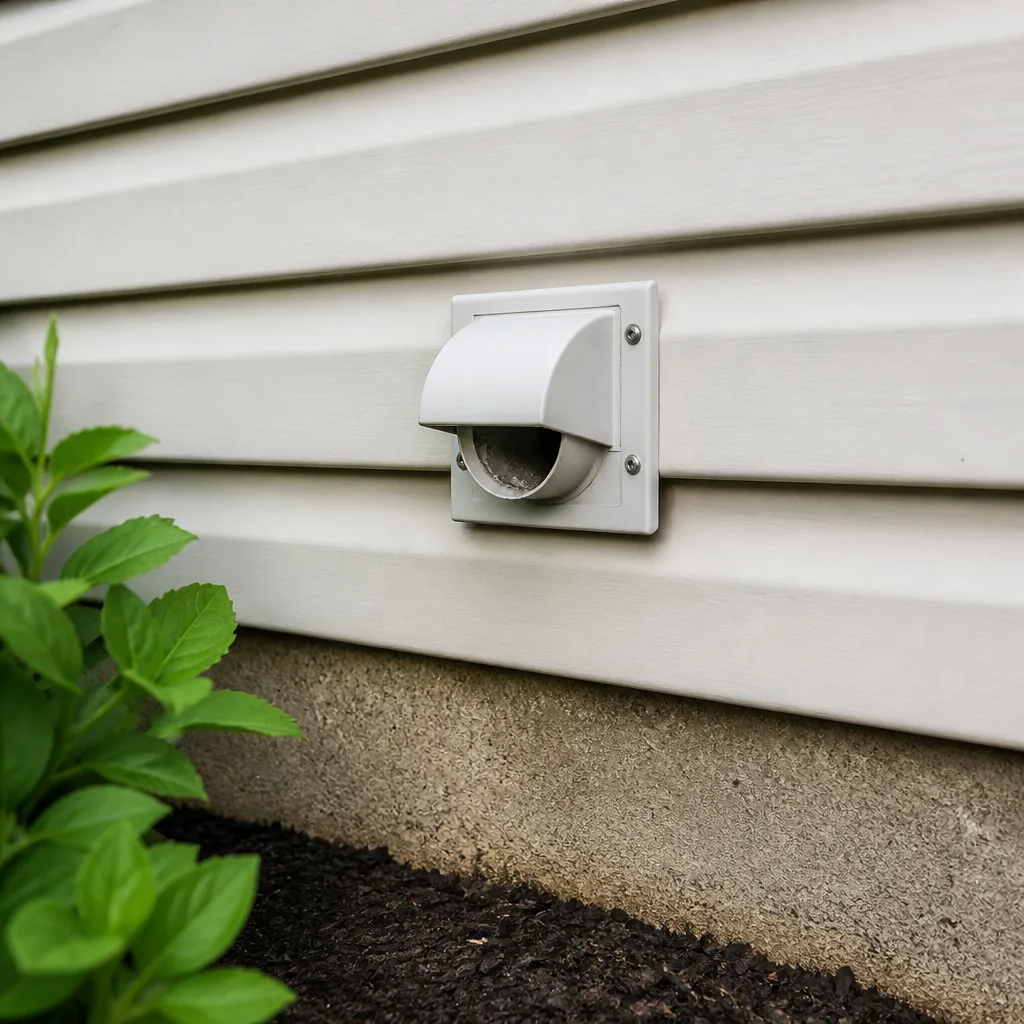 Dryer vent cleaning
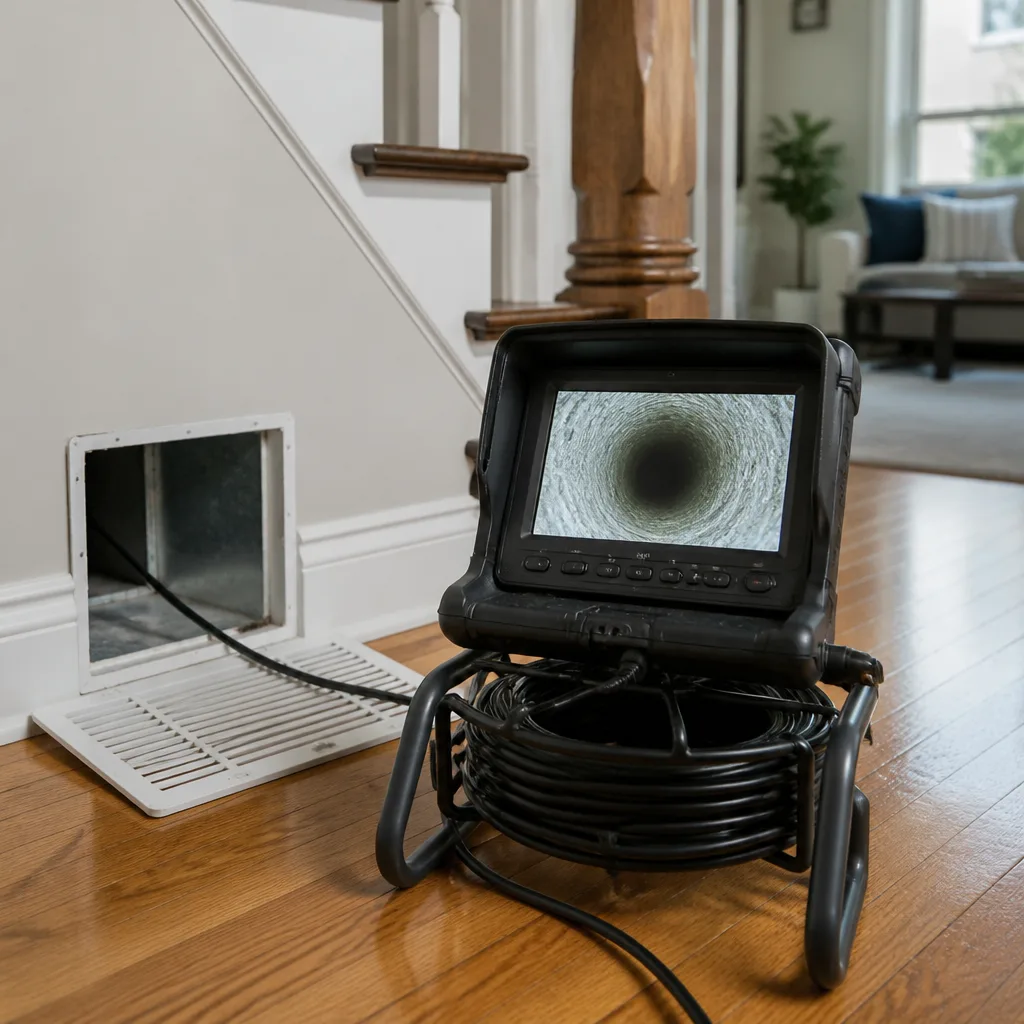 Camera inspection
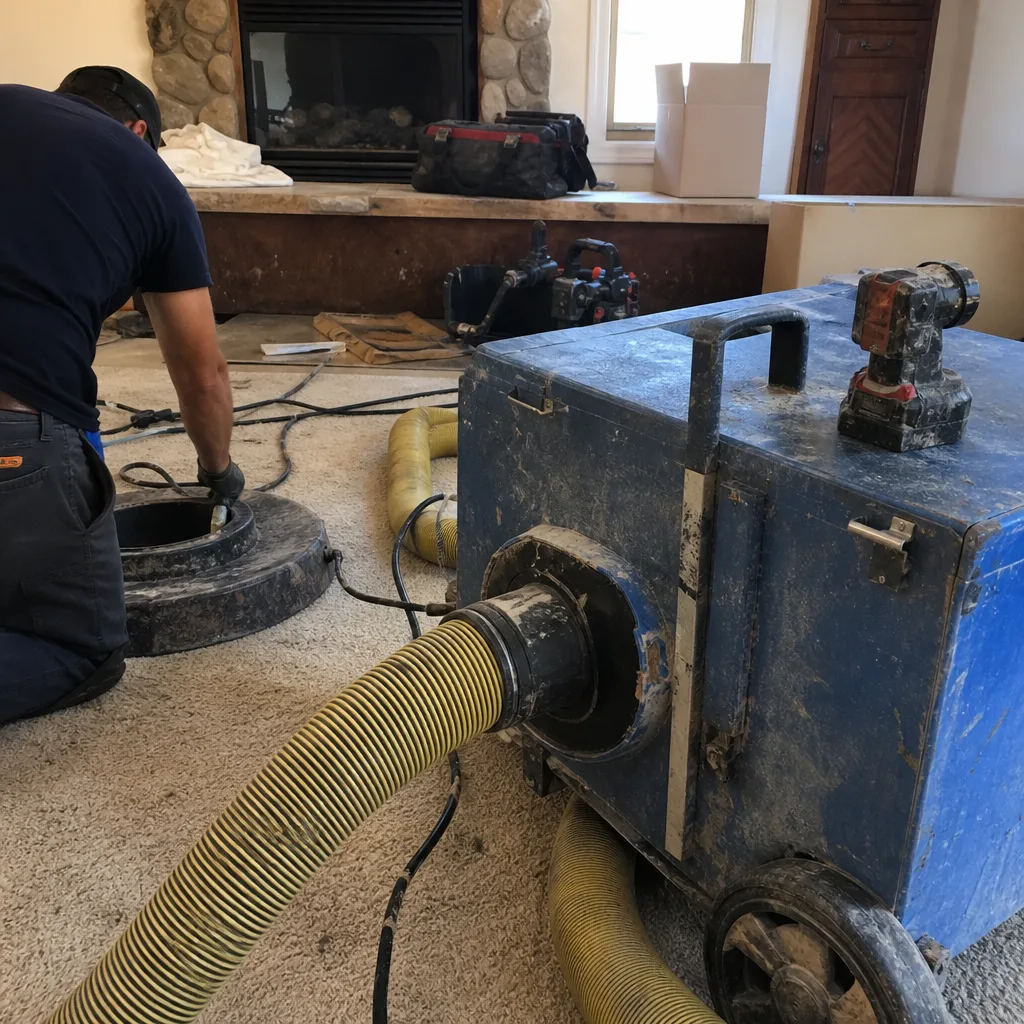
 Sanitizing & deodorizing
Whole-system duct and dryer vent check with before-and-after photos - you see exactly what came out of your vents
That "$99 whole-house special" is a bait ad - the real number appears once they are in your hallway, or the "clean" is a shop-vac at the register. We photograph the inside of your ducts before and after instead.
Air Duct Cleaning Permits, Codes & Inspections in Greeley, CO: What You Need to Know
Here’s the part most homeowners miss: cleaning your ducts almost never requires a permit, but the repair work those ducts often need is a different story. If a technician finds a disconnected duct trunk in your crawl space and reconnects it, that’s repair work, and in Colorado, depending on scope, it may fall under mechanical permit requirements that an unlicensed cleaner can’t legally complete. The line between “cleaning” and “altering” is where Greeley homeowners get surprised at resale or at inspection. This guide walks through the Colorado Mechanical Code as it applies to duct work, when the City of Greeley building department wants a permit, what pre-1980 homes mean for asbestos, and how to protect yourself before anyone touches your system.
Quick Answer
Air duct cleaning itself generally does not require a building permit in Greeley, because it’s maintenance, not construction. Duct repair, modification, replacement, or new duct runs usually do fall under the Colorado Mechanical Code and may require a mechanical permit from the City of Greeley building department, pulled by a licensed contractor. In homes built before 1980, any work that disturbs suspect asbestos-containing duct material needs proper assessment first.
Styles & brands we work with
- Whole-home duct cleaning
- Dryer vent cleaning
- Camera inspection
- Sanitizing & deodorizing
Table of Contents
- Cleaning vs. Repair: Where the Line Sits
- What the Colorado Mechanical Code Says About Duct Work
- When Does Greeley Require a Mechanical Permit?
- How to Verify a Contractor’s License in Greeley
- Pre-1980 Greeley Homes and Asbestos in Ductwork
- HOA and Rental Property Documentation
- Unpermitted Repairs and Your Resale Inspection
- Common Mistakes to Avoid
Cleaning vs. Repair: Where the Line Sits
The cleanest way to think about it: cleaning removes what’s inside the duct, and repair changes the duct itself. A permit isn’t issued for vacuuming. A permit is issued when the physical duct system is altered. That’s the scope boundary homeowners should understand before booking anything.
Here’s how we draw that line in practice. Cleaning is mechanical agitation and extraction of dust, debris, and buildup from inside the ductwork, registers, and related components. It doesn’t cut, reconnect, reroute, or replace anything. Rotobrush rotary brush systems and Nikro HEPA-rated vacuums work inside the duct without modifying its structure, which is exactly why cleaning falls outside permit territory.
Repair is anything that changes the duct system’s form or function. That includes:
- Reconnecting or replacing a disconnected or crushed duct run
- Sealing major leaks at joints, boots, or plenum connections
- Rerouting ductwork or adding a new branch line
- Replacing flex duct with rigid duct, or vice versa
- Modifying the supply plenum or return chase
That work touches the mechanical system, and in Colorado, mechanical work is regulated. If you’re scheduling air duct cleaning and the technician finds damage, you deserve to know whether the fix crosses into permitted territory. A cleaner who can only clean will often gloss over it. A company that handles both cleaning and repair needs to know where the boundary is so the homeowner doesn’t inherit an unpermitted job later.
Northern Colorado’s dry, dusty air and long heating season mean Greeley ducts carry a real load of fine particulate. That buildup is a cleaning matter. The cracked boot seal or sagging flex run that lets it in is a repair matter. Keep the two separate in your head and the permitting question answers itself.
What the Colorado Mechanical Code Says About Duct Work
Colorado adopts the International Mechanical Code, published locally as the Colorado Mechanical Code (CMC), and it governs how duct systems get installed, altered, and repaired. The CMC covers duct material, sizing, sealing, support spacing, clearances, and connection methods. It’s the technical standard the work has to meet when someone changes the system.
For homeowners, you don’t need to memorize the CMC, but you should know its reach:
- It applies to installations and alterations of duct systems serving heating, cooling, and ventilation.
- It sets sealing requirements on joints and connections, especially in conditioned spaces and at the air handler.
- It covers duct materials and how they can be used, including flex duct limitations.
- It governs support and clearances around heat-producing equipment and combustibles.
- It’s enforced by the local authority having jurisdiction, which in Greeley is the city’s building department.
What the CMC does not do is regulate cleaning. There’s no CMC section that says “thou shalt vacuum thy ducts.” Cleaning is maintenance, like changing a filter. That distinction matters because some contractors blur it: they’ll quote a repair, do it without a permit, and tell the homeowner “duct work doesn’t need permits.” That’s only half true, and the half that’s wrong is the half that costs you at resale.
If you want the permit-free end of the spectrum, that’s straightforward duct cleaning in Greeley, which we handle with professional-grade equipment and no structural changes to your system. If the job turns into a repair, the code conversation begins, and that’s a conversation we want you to be ready for.
One more thing: local amendments can tighten or adjust the model code, so the City of Greeley’s adopted version is the authority, not the book on our shelf. When in doubt, the building department settles it.
When Does Greeley Require a Mechanical Permit?
Greeley’s building department issues mechanical permits for work that alters a mechanical system, and duct repair or modification can fall in that bucket depending on scope. A simple reconnect may not trigger one. A rerouted trunk line, a new branch, or a replaced duct section usually does. The scope determines the permit, and the building department makes the final call.
Here’s a practical sequence for figuring out whether your job needs a permit:
- Get the scope in writing. Ask the contractor exactly what will be cut, connected, replaced, or rerouted. “Fix the leak” isn’t a scope.
- Ask whether the work is cleaning or alteration. If it changes the duct system, it’s alteration.
- Call the City of Greeley building department. Describe the scope and ask whether a mechanical permit is required. A two-minute call saves a headache later.
- Confirm the contractor is licensed to pull the permit. If a permit is required, the contractor needs the proper license to pull it and complete the work.
- Keep the permit and inspection record. Store it with your home documents, alongside the invoice and before-and-after photos.
Straight cleaning doesn’t go through that process. You schedule it, the technician does the work with containment, and you get documentation of what was removed. The permit question only wakes up when the work becomes structural.
If you’re unsure which side of the line you’re on, ask before the technician starts. That single question keeps a cleaning job from quietly turning into an unpermitted repair.
How to Verify a Contractor’s License in Greeley
You can verify a contractor’s license status in Greeley by checking with the City of Greeley building department and, for state-level credentials, the Colorado Secretary of State and the state agency that handles contractor registration. Verification is free, takes minutes, and it’s the single best defense against the bait-and-switch operators this trade is known for.
The verification routine works like this:
- Ask for the license or registration number in writing before you book. A legitimate contractor supplies it without flinching.
- Check the number against the issuing authority. The city handles local licensing and permits; the state handles business registration and any applicable trade credentials.
- Confirm insurance and bonding. Ask for a certificate of insurance naming the company. Licensed and insured should be a default, not a selling point you have to drag out.
- Match the name on the paperwork. The name on the license, insurance certificate, and estimate should match. Mismatches are a warning sign.
- Ask who will actually be on site. If the person doing the work isn’t the licensed contractor or a technician working under them, ask why.
In our experience, the hardest part of this industry for homeowners is that they can’t see inside the walls. That’s why documentation matters so much. Whole-system pricing, one flat price per system agreed before work starts, and before-and-after photos of your own ducts are the paper trail that separates a real job from a sales call. A company that connects you with independent local professionals should be able to show you the credentials behind the work without deflecting.
Our technicians have up to 12 years of experience, and the ones we connect Greeley homeowners with can tell you, in plain language, what permits their work requires and why.
Pre-1980 Greeley Homes and Asbestos in Ductwork
If your Greeley home predates 1980, there’s a real chance some ductwork components, duct wrap, or the sealant around them contain asbestos-containing materials. Cleaning or repairing near those materials disturbs them, and asbestos handling is legally restricted to properly certified abatement professionals. This is the one part of duct work where the wrong contractor can create a genuine hazard instead of solving one.
Greeley has a meaningful share of older housing stock, and older homes mean older duct systems, often wrapped in materials that were standard at the time. Here’s what you should know before anyone touches them:
- Suspect material gets tested, not guessed at. A sample goes to a lab, and the result determines the path forward. Nobody can tell you from across the room.
- Cleaning near intact suspect material needs judgment. Sometimes the safe answer is to leave it alone, contain the work area, and use filtration equipment that captures airborne particulate.
- Disturbing suspect material needs a certified professional. If it must be removed or heavily disturbed, that’s abatement work, done by certified abatement contractors, not duct cleaners.
- Repair work in older homes deserves extra caution. Cutting into a duct run can mean cutting into wrap. That’s exactly when the testing question should come up.
Our approach on every job is to contain what we dislodge rather than redistribute it, using Abatement Technologies air-filtration equipment to maintain negative pressure and keep debris controlled during service. That’s standard practice for us, and it’s one more reason to know the age of your home before you book anything. If your home is pre-1980 and nobody’s asked about the duct materials, that’s a conversation worth having.
HOA and Rental Property Documentation
If you rent out a property in Greeley, or your home sits under an HOA, documentation of duct work becomes a compliance tool rather than a nice-to-have. Landlords increasingly need records of maintenance and repairs to satisfy insurance requirements and lease obligations. HOAs may want records too, especially where duct modifications, vent placement, or equipment changes are involved.
What to keep on file:
- The written estimate, showing scope and price agreed before work started.
- Before-and-after photos of the ducts, taken during the job.
- Permit records for any repair or modification that required one.
- Invoices, dated and matched to the property address.
- Any asbestos testing or clearance documentation, if the property is older and testing applied.
Property managers in Greeley should treat duct work like any other mechanical maintenance: a paper trail matters when a tenant complaint, insurance review, or property sale arrives. When you work through a company that connects you with independent local professionals, insist the documentation comes from the technicians who performed the work, not a generic summary written afterward.
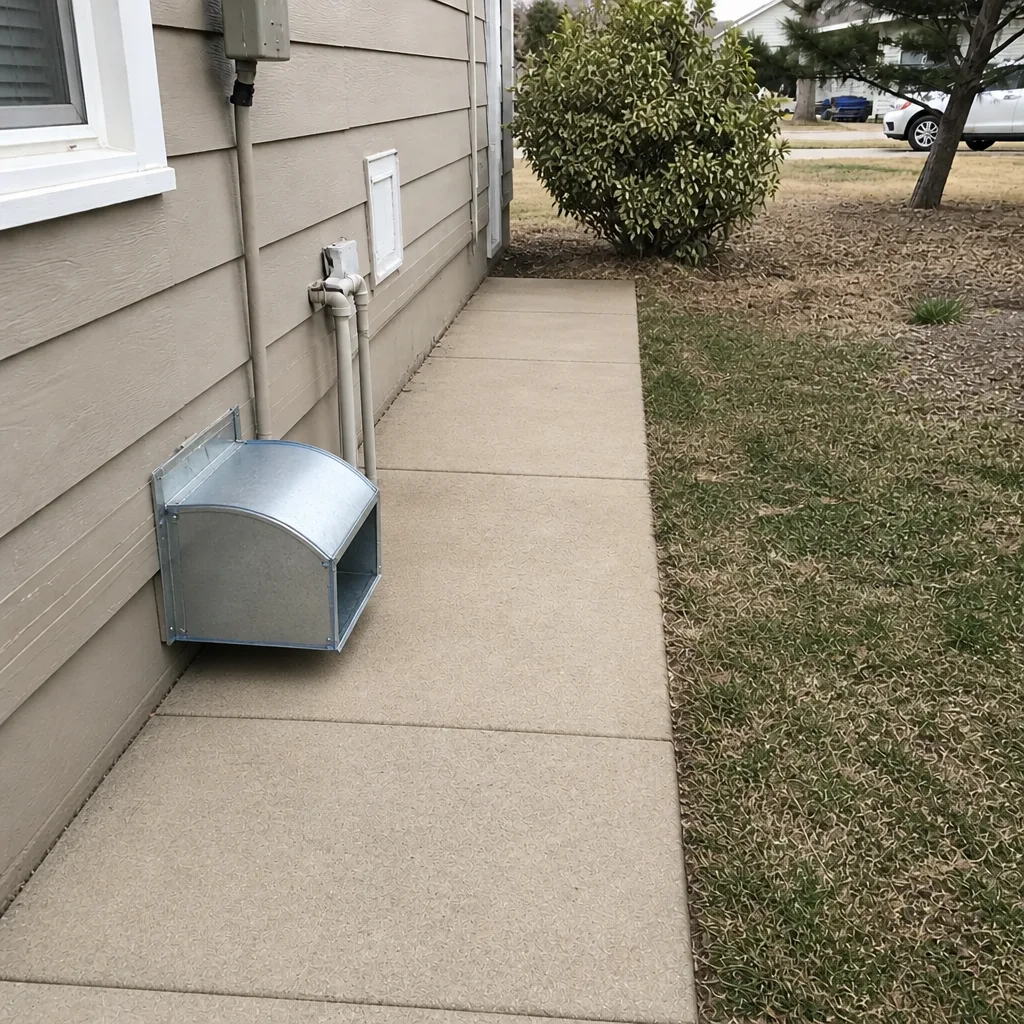
HOAs in some Greeley neighborhoods also weigh in on exterior venting and dryer vent routing. If you’re dealing with dryer vent cleaning, check whether your HOA has rules about vent termination or routing. It’s an unusual question, but it comes up more often than you’d think.
Unpermitted Repairs and Your Resale Inspection
An unpermitted duct repair can follow you to the closing table. When a buyer’s inspector catches mechanical work that doesn’t match the home’s permit history, the correction becomes your problem, often at the worst possible moment. The cost of fixing it properly isn’t the only issue; the delay, the re-inspection, and the renegotiation are where the real pain lives.
Here’s why it happens. A coupon-driven cleaner spots a disconnected duct, reconnects it on the spot, and collects a check. No permit. No inspection. No record. The connection might be fine. It might not be. The homeowner can’t tell, and neither can the next buyer.
Getting it corrected by a licensed contractor protects you in three ways:
- You get a permit and an inspection record that shows the work was done to code.
- You get documentation of scope that a buyer’s inspector can trace back to a professional.
- You get the work corrected to a standard, not just closed up and hidden.
If you’re selling a Greeley home and you know a repair happened without a permit, get it addressed before the buyer’s inspector finds it for you. If you’re buying and the seller’s disclosure is vague about duct work, this is one of the questions worth asking.
When you’re ready to schedule cleaning or repair, calling Greeley professionals who understand the permit line is the first step, and it’s a conversation we’re happy to have.
Common Mistakes to Avoid
- Assuming all duct work is permit-free. Cleaning usually is. Repair and modification often aren’t. The scope decides, and the building department settles it.
- Hiring a cleaner to do a repair. If the person you hired can only vacuum, they can’t legally pull the permit a repair may need. Ask what happens when damage turns up.
- Skipping asbestos testing in a pre-1980 Greeley home. Cutting into suspect duct material without testing is the single riskiest shortcut in this trade. Guessing is not a plan.
- Not asking for license and insurance numbers. Verification is free and takes minutes. A contractor who won’t supply the number in writing has answered your question.
- Ignoring documentation for rentals. Landlords and property managers in Greeley who can’t produce records of duct work end up redoing jobs or fielding compliance questions they can’t answer.
- Trusting a per-vent price. A price that changes once the technician is on site is the bait-and-switch this trade is known for. Whole-system pricing agreed before work starts is the honest version.
- Leaving unpermitted repairs off the record. It’s easier to fix before the resale inspection than after the buyer’s inspector finds it.
See the difference
 Before
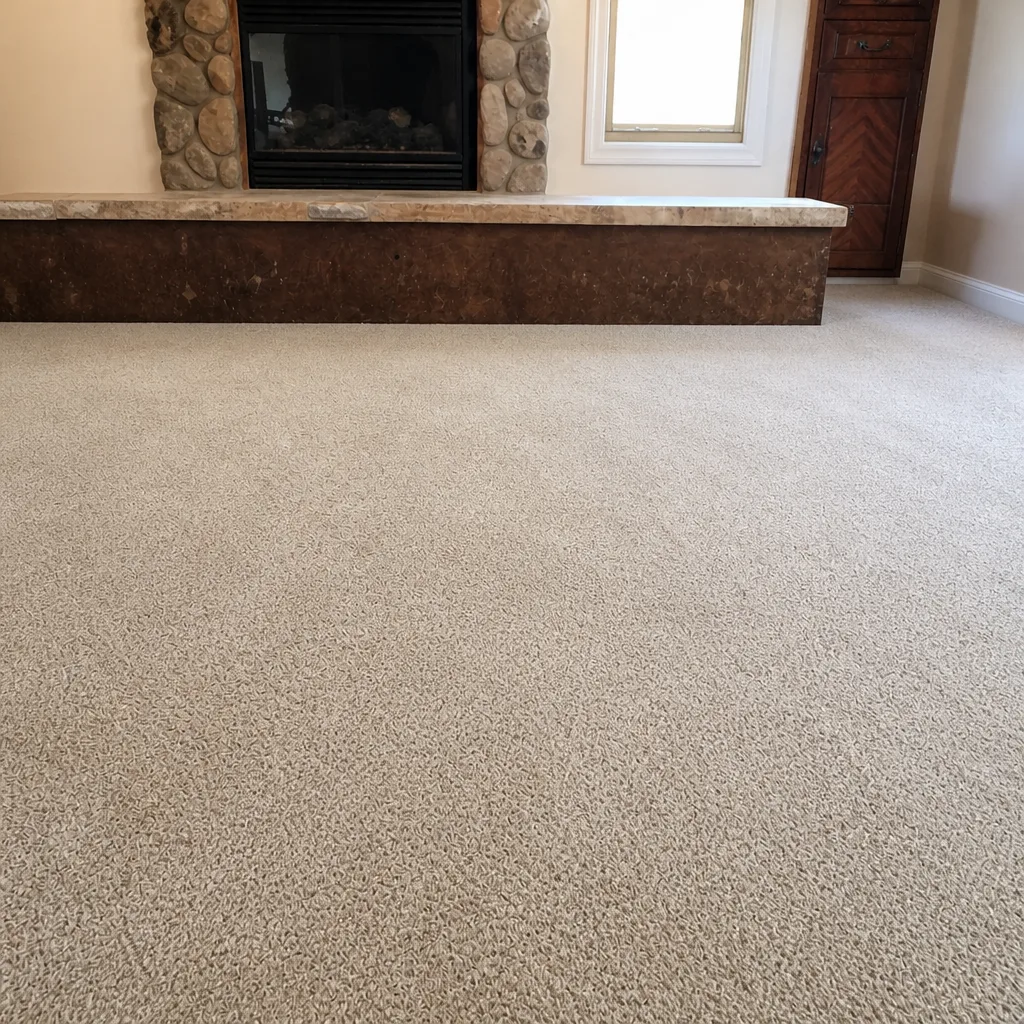 After
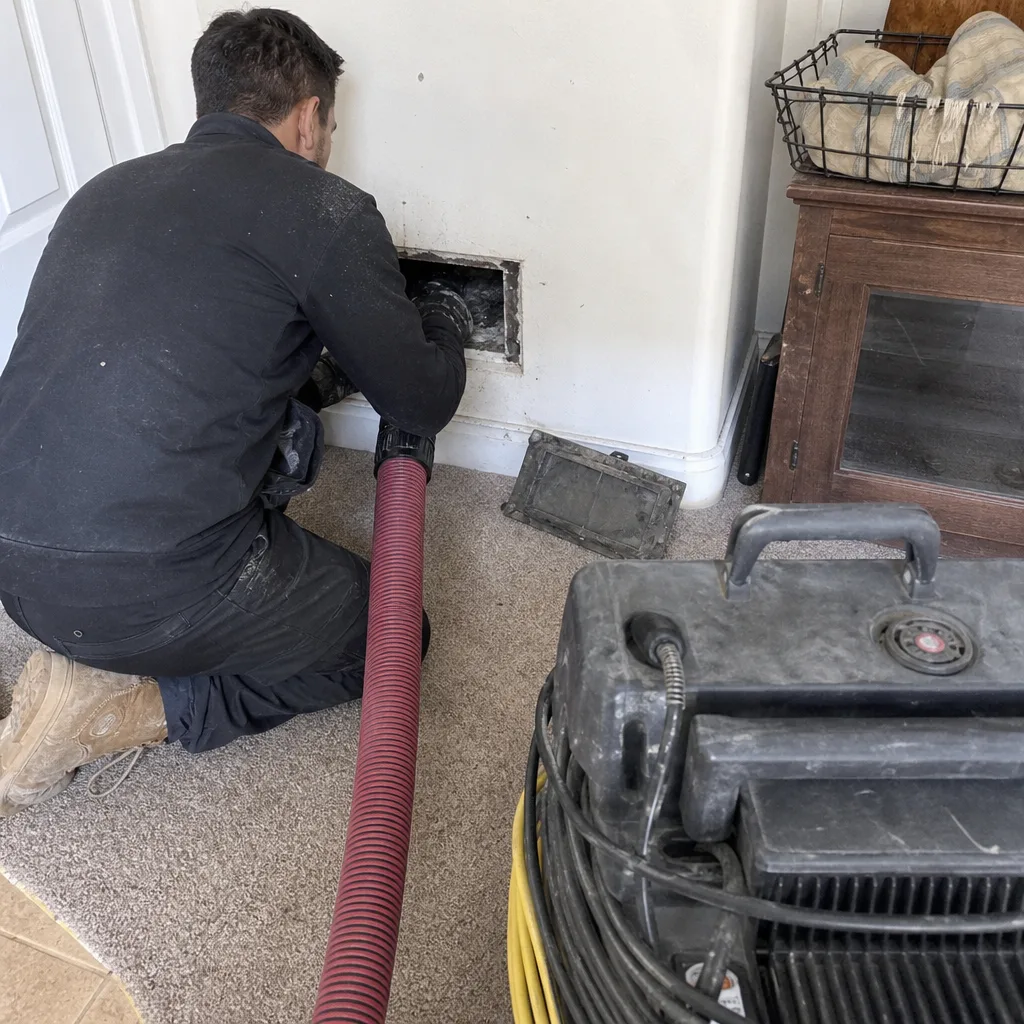 Before
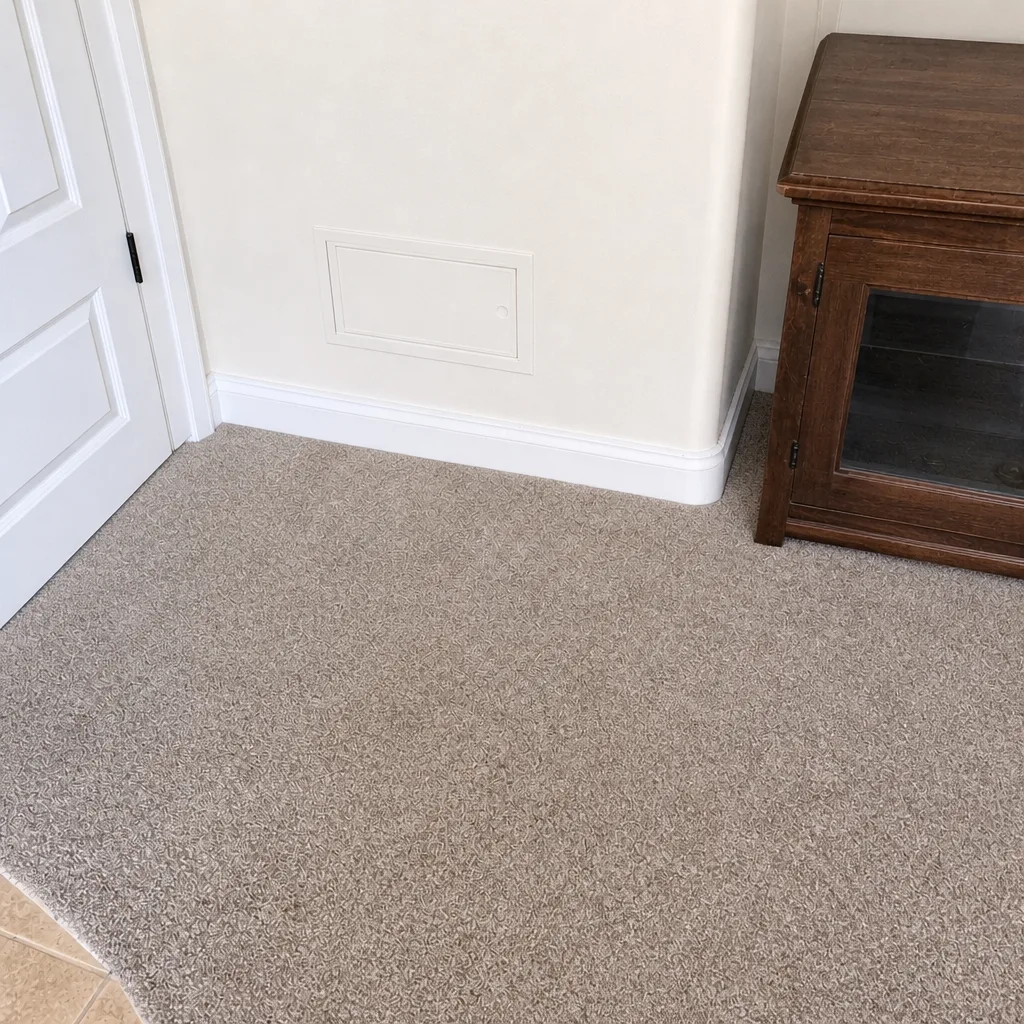 After
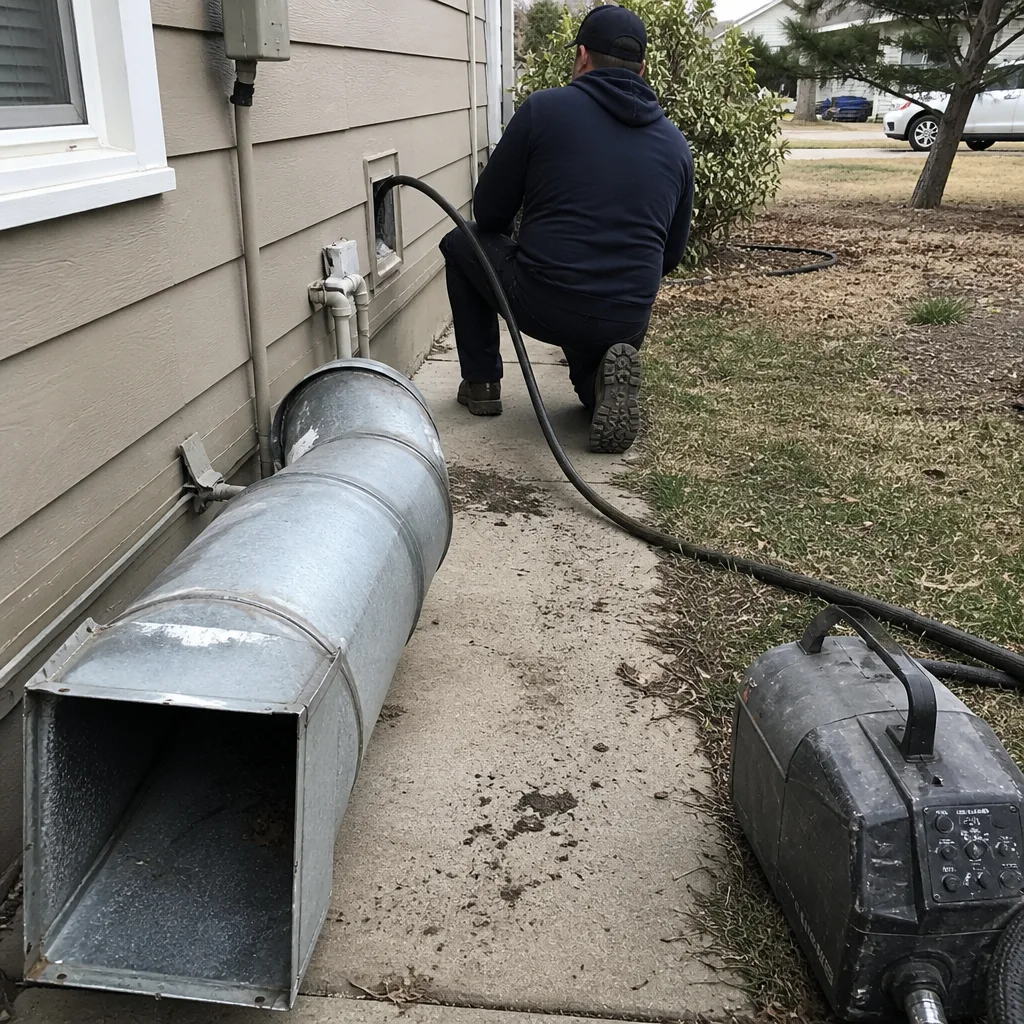 Before
 After
When to Call a Professional
Call a professional when a cleaning inspection turns up damaged, disconnected, or crushed ductwork, because that’s repair work and it may need a permit. Call when your Greeley home predates 1980 and you don’t know whether suspect materials are present. Call before a resale inspection if you’re unsure whether past duct work was permitted. Call when an HOA or tenant issue requires documentation you don’t have. Call when you’re ready to schedule a cleaning and want a company that can tell you, up front, where the permit line sits on your job.
Duct Cleaning Greeley offers free estimates in Greeley, call (833) 467-7154.
Frequently Asked Questions
No, air duct cleaning itself generally does not require a permit in Greeley, because it’s maintenance and not construction. The permit question only arises when the work becomes repair or modification, which touches the mechanical system and may fall under the Colorado Mechanical Code. If you’re scheduling cleaning and want certainty, ask your contractor in advance how they handle a repair discovered mid-job.
Cleaning removes buildup from inside the duct; repair changes the duct system itself. For code purposes, cleaning is maintenance with no permit, while repair, rerouting, replacement, or new duct runs may require a mechanical permit from the City of Greeley building department. The building department evaluates the scope and decides.
Not necessarily, because pre-1980 homes may have asbestos-containing materials in duct wrap, sealant, or related components. Cleaning near intact suspect material requires care and containment, and disturbing it requires certified abatement professionals. Get suspect material tested before work begins, and ask your contractor how they’ll handle it if it’s present.
Ask for the license or registration number in writing, then check it with the City of Greeley building department and the Colorado Secretary of State for state-level credentials. Confirm the certificate of insurance matches the company name on the estimate. A legitimate contractor supplies all of it without hesitation.
Keep the written estimate, before-and-after photos of the ducts, permit records for any repair that required one, dated invoices matched to the property, and any asbestos testing documentation. Those records satisfy insurance reviews, tenant questions, and property-sale disclosures, and they take very little effort to collect as the job wraps up.
Yes, potentially, because a buyer’s inspector can flag mechanical work that doesn’t match the home’s permit history, which delays closing and forces renegotiation. The fix is to get the work corrected by a licensed contractor who can pull the permit and document the correction before the inspection finds it.
The Bottom Line
Cleaning your ducts is maintenance and doesn’t need a permit. Repairing or modifying them may, because the work touches the mechanical system the Colorado Mechanical Code regulates. Greeley’s building department decides based on scope, so get the scope in writing and ask the question before work starts. Verify licenses and insurance, take asbestos seriously in pre-1980 homes, and keep documentation for rentals and resales. The permit line sits between cleaning and repair, and knowing which side your job is on is the whole game. If you’re ready for a professional-grade cleaning with repairs handled by the same trained technicians, or you just want to know what your job requires, call (833) 467-7154 for a free estimate. We answer 24/7. Fast dispatch from 7am to 7pm, Sunday through Friday.
Written by the team at Duct Cleaning Greeley.