
Last updated November 15, 2026
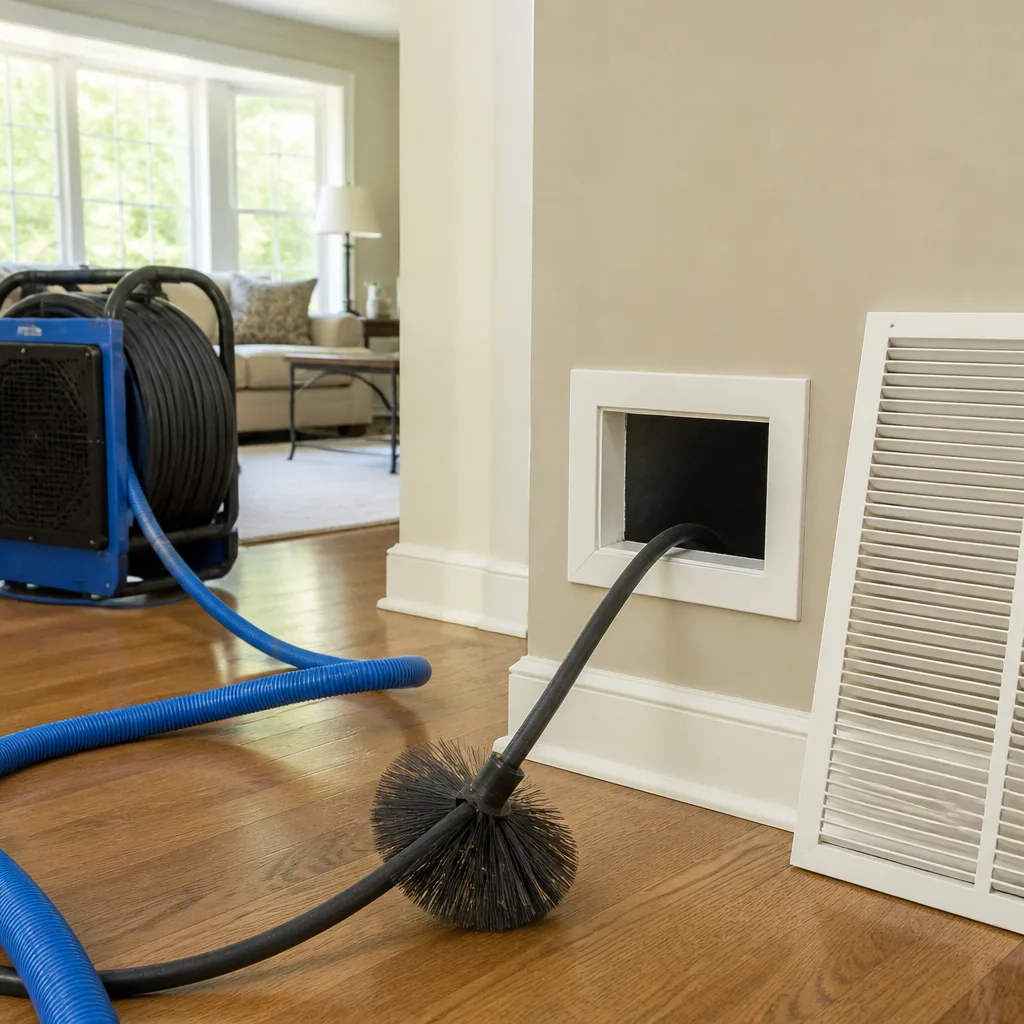 Whole-home duct cleaning
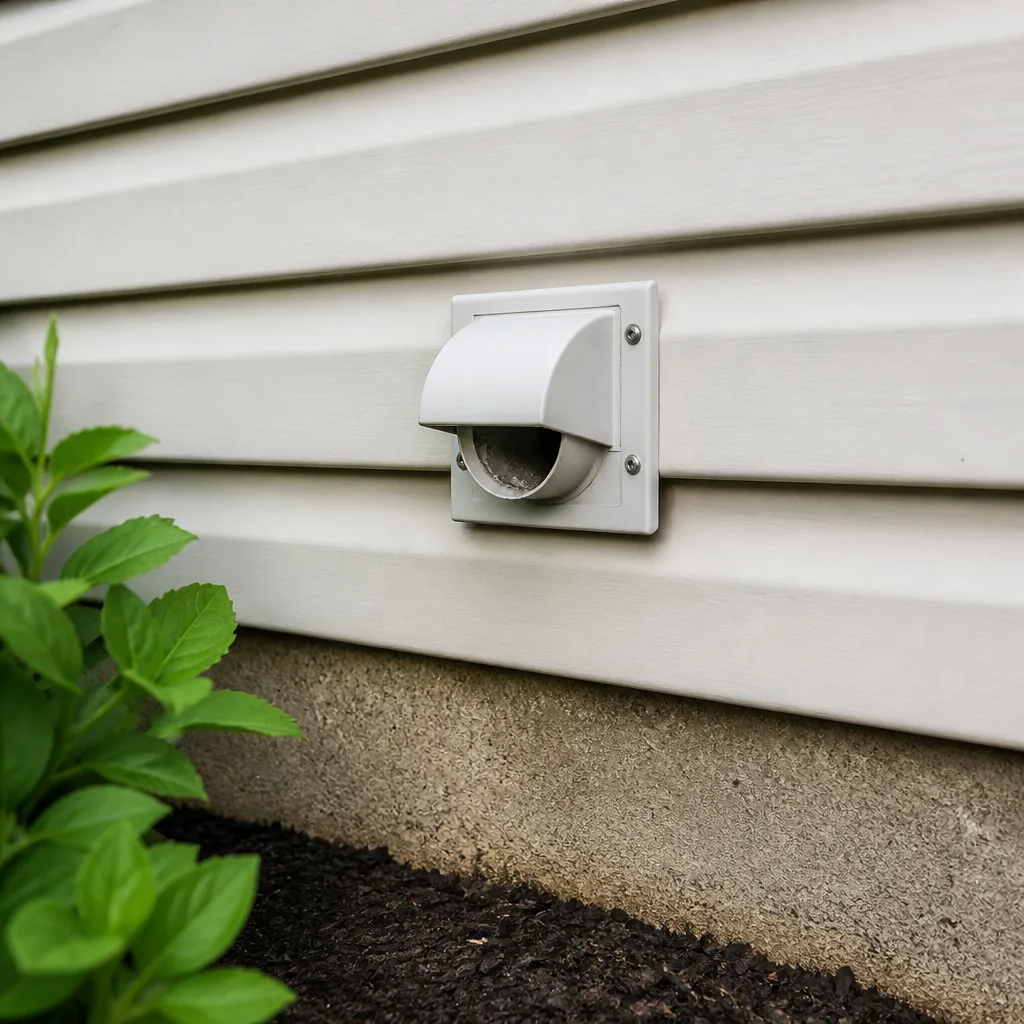 Dryer vent cleaning
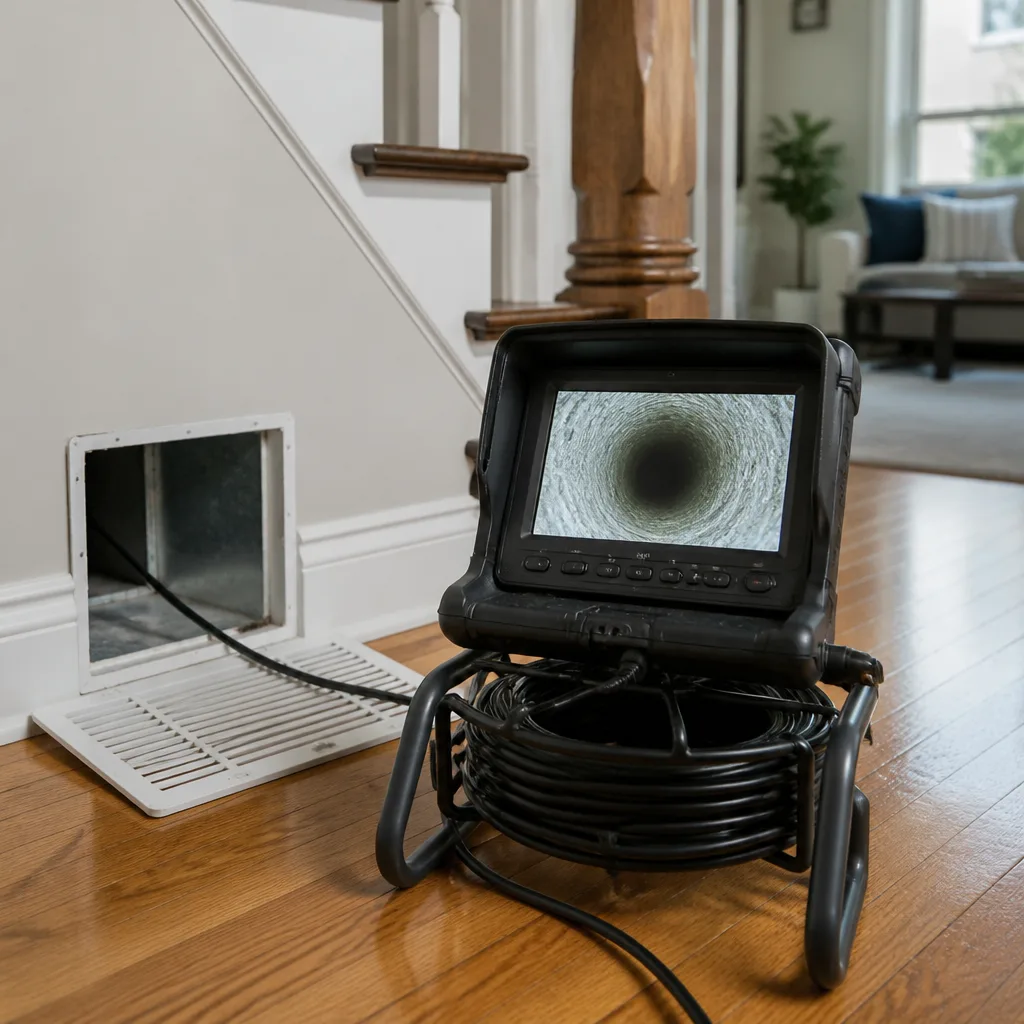 Camera inspection
 Sanitizing & deodorizing
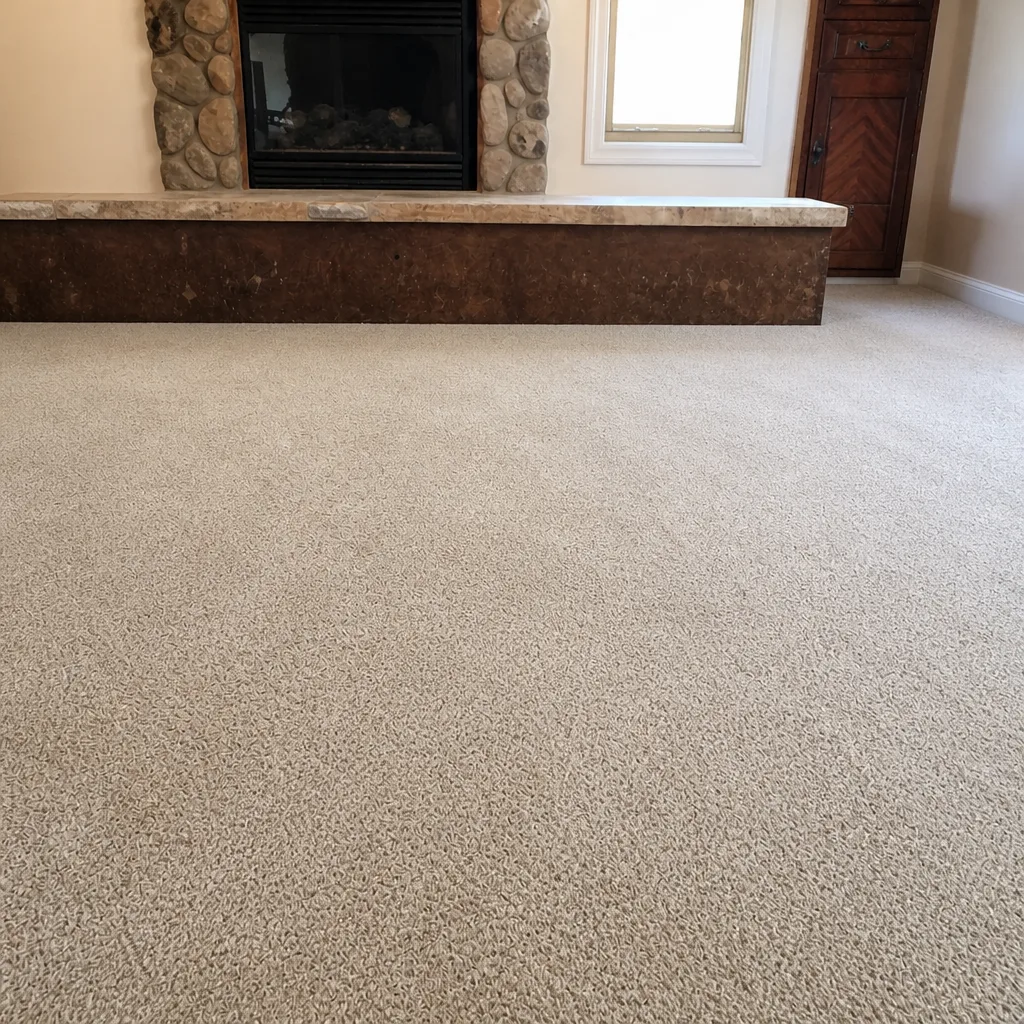
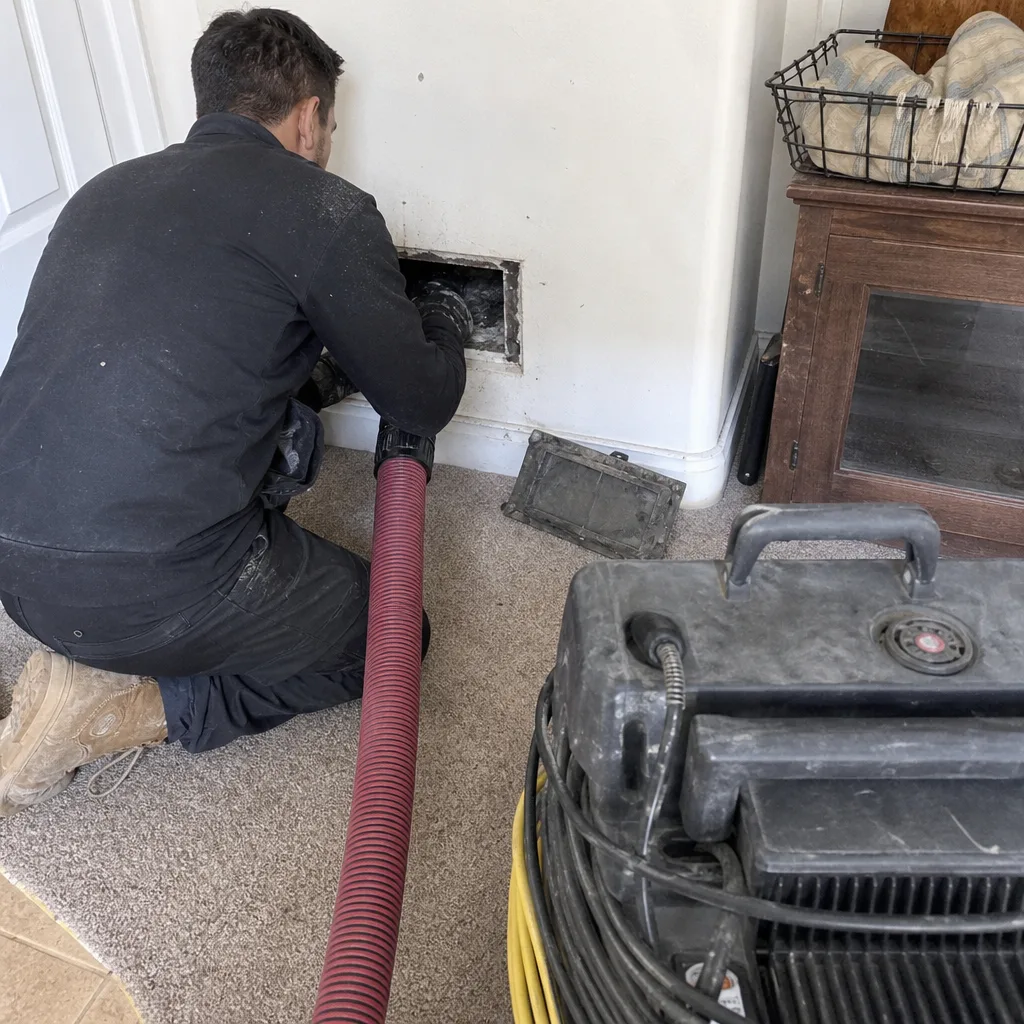
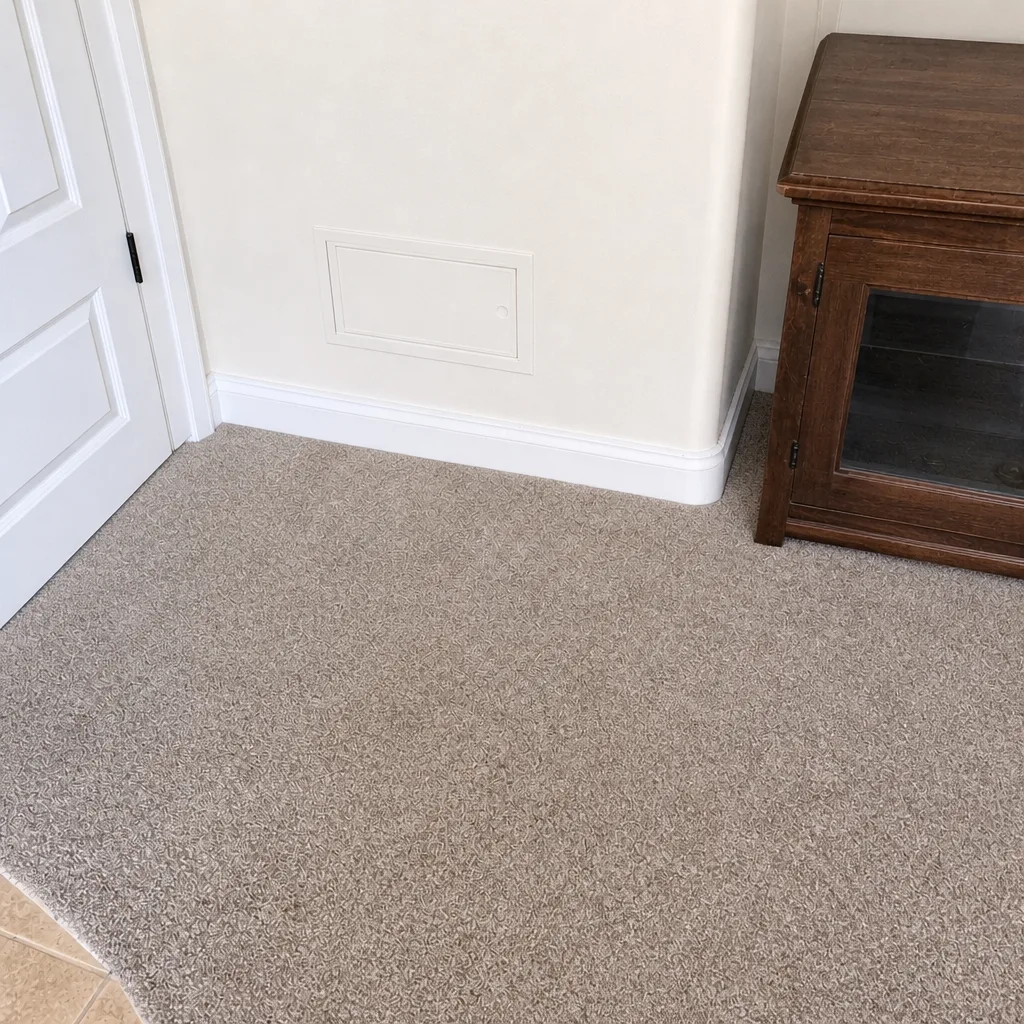
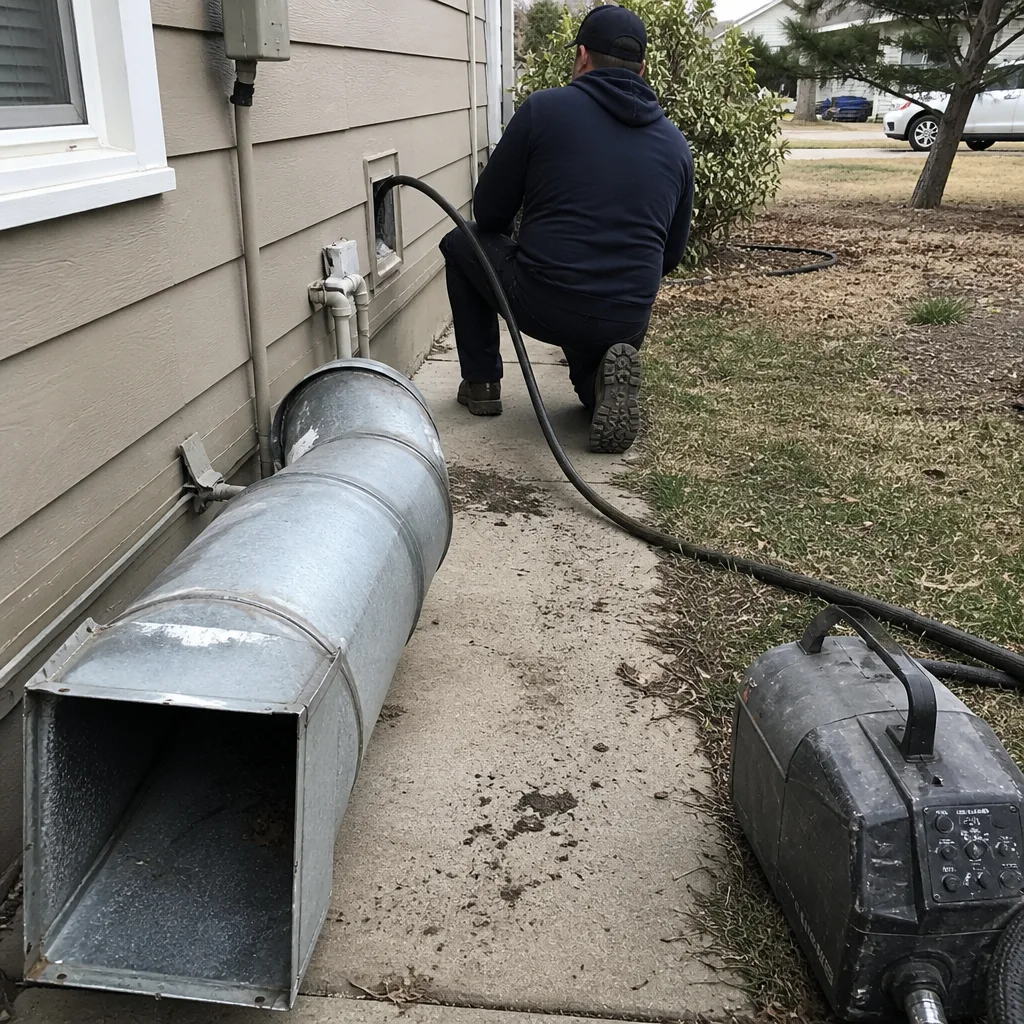
Whole-system duct and dryer vent check with before-and-after photos - you see exactly what came out of your vents
That "$99 whole-house special" is a bait ad - the real number appears once they are in your hallway, or the "clean" is a shop-vac at the register. We photograph the inside of your ducts before and after instead.
Seasonal Air Duct Cleaning Care for Greeley: Year-Round Homeowner’s Guide
Most homeowners here clean their ducts on a fixed annual reminder, usually in late fall when the furnace first kicks on. That timing misses the point. Greeley sits in one of Colorado’s highest agricultural dust corridors, and the debris that settles into your ductwork changes with every season, from spring tilling dust to summer wildfire smoke to winter’s nonstop dry-air cycle. A December cleaning pulls out the wrong season’s load and leaves the rest to build up again by March. This guide lays out what each Greeley season actually puts into your ducts, what to inspect and when, and how to build a rolling 12-month care calendar around real air quality events instead of a generic reminder.
Quick Answer
Seasonal air duct cleaning in Greeley means matching service to the seasons that actually load your system: spring agricultural and pollen debris, summer wildfire smoke infiltration, fall heating startup gunk, and winter’s accelerated accumulation from continuous HVAC run. A single annual cleaning doesn’t cover all four. The best schedule inspects or services the system at least twice a year and uses filtration upgrades in between to handle what cleaning alone can’t.
Styles & brands we work with
- Whole-home duct cleaning
- Dryer vent cleaning
- Camera inspection
- Sanitizing & deodorizing
Table of Contents
- Why Greeley’s Duct Contamination Follows a Calendar, Not a Clock
- Spring: After the Tilling and the Pollen
- Summer: Wildfire Smoke Behaves Differently Than Dust
- Fall: Pre-Heating-Season Inspection Checklist
- Winter: When the System Runs Nonstop
- Building Your Rolling 12-Month Duct Care Calendar
- When Cleaning Reveals a Repair Problem
- Common Mistakes to Avoid
- When to Call a Professional
- Frequently Asked Questions
Why Greeley’s Duct Contamination Follows a Calendar, Not a Clock
Air in Greeley doesn’t carry the same debris in April as it does in August. That sounds obvious, but most homeowners treat duct cleaning as a fixed ritual and set a calendar reminder for the same month every year. Meanwhile, the actual load inside the system shifts four ways.
In spring, the surrounding agricultural land gets worked, and fine soil particles ride the wind into every return grille in the city. Pollen arrives on top of that. In summer, wildfire smoke from regional fires drifts into the valley and gets pulled through the HVAC system along with normal dust, but the particles are much smaller than typical house dust and behave differently once they’re inside a duct run. In fall, the heating system lights off for the first time in months, burning off light dust and oil residue on the heat exchanger, and that odor circulates through the whole house. In winter, the system runs almost continuously, so the same debris loads pile up faster than they would during an on-and-off cooling season.
The result: a single cleaning per year gets you roughly 25% coverage of the actual problem, regardless of which month you pick. Matching the service to Greeley’s seasonal cycles, and using filtration and inspection in the gaps, is a much more effective way to keep the system clean.
What “Contamination” Actually Means Inside a Duct
Duct contamination isn’t one thing. It’s a mix of settled dust on the bottom of trunk lines and branch runs, lint and hair caught in return plenums, pollen and fine soil that clings to the sides of flex duct, biological growth in damp spots (rare in Greeley’s dry climate, but possible near cooling coils), and construction debris that was never extracted after a remodel. Each of those types responds best to different tools and different timing, which is why a professional job uses mechanical agitation plus high-capacity extraction rather than just a vacuum wand.
Spring: After the Tilling and the Pollen
Spring is the biggest single debris event on Greeley’s duct calendar. When the surrounding fields get worked for planting, wind carries fine agricultural dust into neighborhoods across the city, and the same dust storms that turn the sky brown deposit a visible layer on window sills and, unavoidably, on every return grille. Pollen arrives right behind it. Together they make March through May the heaviest filtration-load months of the year for most homes.
What to Check Before You Switch to Cooling
The heat-to-cool transition is the moment to inspect, because whatever built up over winter is still sitting in the system and will get pushed through the house the first time the AC runs. Walk the system in this order:
- Change the filter first, before you touch the thermostat. A filter loaded with winter dust and spring pollen will pass less air and make the blower work harder.
- Pull and look at every return grille. If the grille face has a visible mat of fuzz or dust after four to six weeks, the filtration is underperforming for the load.
- Shine a light into the supply registers. A thin film is normal. A visible buildup on the boot or the first few feet of duct suggests the branch hasn’t been cleaned in a while.
- Listen at each register while the fan runs. Weak airflow at one or two rooms while others feel strong is a signal of a disconnected or crushed duct branch (more on that below).
- Smell the return air near the air handler. Musty or dusty odors that persist after a filter change point to debris sitting in the return plenum.
If you find visible buildup, heavy grille loading, or weak airflow, it’s time to schedule service. If everything checks out, you may be able to hold off until summer and put money into filtration instead. Either way, spring is the season to know where you stand before cooling season starts.
Summer: Wildfire Smoke Behaves Differently Than Dust
Wildfire smoke is not ordinary dust with a different smell. Smoke particles are far smaller than household dust, often in the sub-micron range, which means standard duct cleaning doesn’t “catch” them the way it catches settled debris. Smoke infiltrates the house through windows, doors, and any gap in the envelope, then gets pulled into the HVAC system through the return and pushed back out into the rooms. It clings to surfaces, leaves odor in the system, and can recirculate long after the smoke event itself has passed.
That leads to an important distinction: cleaning is the right response to settled debris, but a filtration upgrade is often the more effective response to smoke. Here’s how to tell which you’re dealing with.
When Cleaning Is Warranted
- You have visible dust or film buildup in the ducts and on the coil that predates the smoke season.
- Your filter is loading solid in under a month, not the three months a filter is supposed to last.
- You smell lingering odor from the registers even on clear days.
- You’ve had a recent renovation and never got construction debris removed.
When Filtration Upgrades Are the Better Move
- The system is already clean, but smoke events keep recontaminating the air coming in.
- You or someone in the home is sensitive to smoke, and you want to reduce what circulates during fire season.
- You can keep windows closed during smoke days and want the filtration side of the system to do the heavy lifting.
In our experience, the best summer response is usually both: schedule a cleaning if the system has buildup, and then upgrade filtration to handle what cleaning can’t. Higher-MERV filters and compatible air quality equipment from brands like Honeywell and Aprilaire work with most residential systems, but the filter has to be matched to your blower’s capacity, and we always verify that before recommending a change.
What to Do During a Smoke Event
- Keep windows and doors closed.
- Run the fan continuously on low speed to keep the filter working even when the AC or heat isn’t calling.
- Check the filter after the event and replace it if it looks loaded.
- If musty or smoky odor persists after two filter changes, the system probably needs cleaning.
Fall: Pre-Heating-Season Inspection Checklist
Fall is when most homes schedule their cleaning, and that’s reasonable, but the pre-heating checklist matters as much as the cleaning itself. The first cold snap lights off the furnace for the first time in months, and any debris, dust, or odor that built up over the summer gets pushed through the entire house at once. Here’s what to run through before you flip the thermostat.
The Pre-Heating-Season Checklist
- Change the filter before the first heating run, not after. That catches the summer’s smoke residue and the last of the pollen.
- Smell the return air first thing. A dusty, musty, or faintly smoky smell is normal. A metallic, oily, or hot-wire smell means shut the system off and call a professional. That’s not a duct issue, and it needs a qualified HVAC technician to look at the heat exchanger or burner.
- Inspect every grille and register for pest activity. Greeley’s summer heat drives insects and rodents into cooler spaces, and duct runs and boots are common entry points. Look for droppings, nesting material, or gnaw marks on flexible duct near the floor.
- Verify blower operation by running the fan and confirming airflow at each register. If airflow is weak at one or two rooms, the problem may be a duct repair issue, not a cleaning one.
- Ask for a heat exchanger adjacency check when the technician is on site. The heat exchanger shares space with the blower and ductwork, and if the ducts are dusty, some of that dust lands near it. A good technician will flag visible buildup near the heat exchanger during cleaning.
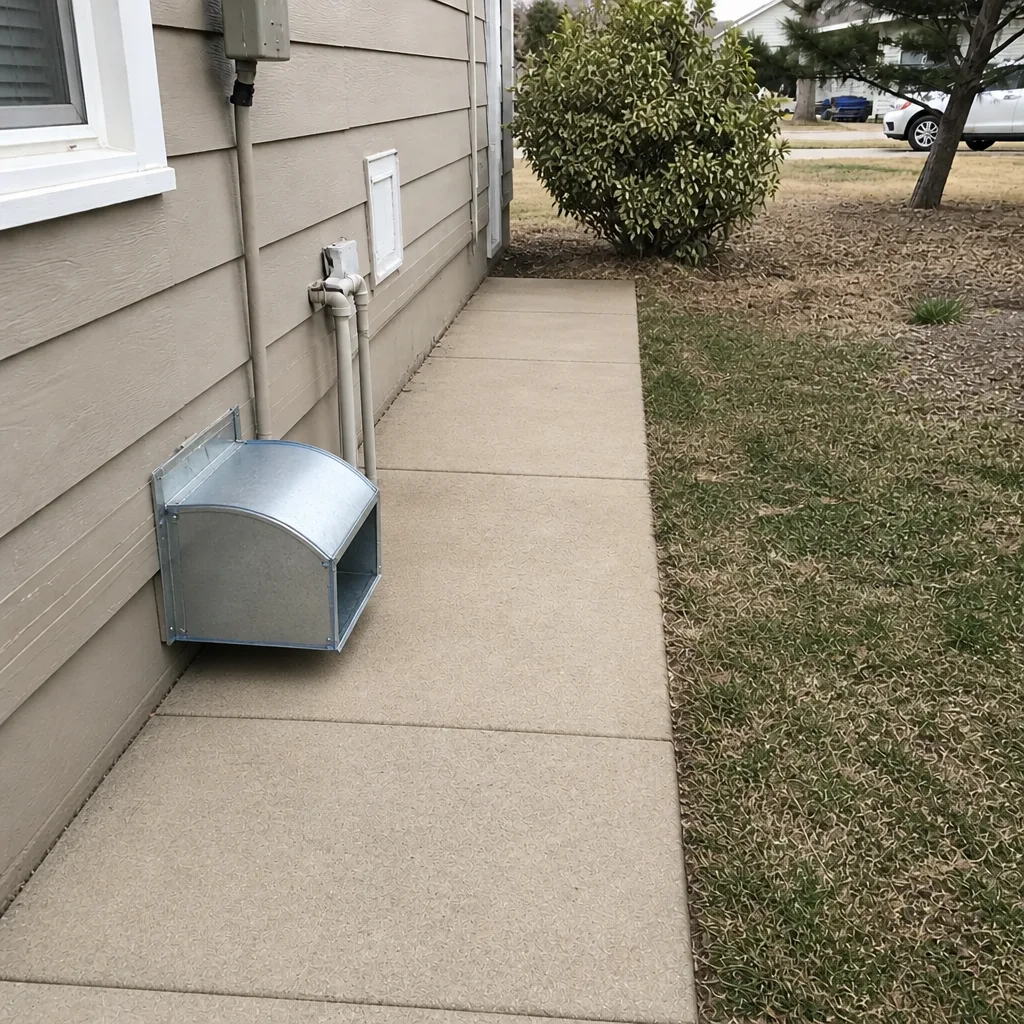
- Check the dryer vent too. Cooler weather means more laundry, and lint buildup is a fire hazard year-round. If you haven’t had the line cleared recently, add it to the fall list.
If you’re doing a full pre-heating inspection and find the system needs professional attention, that’s when to schedule a cleaning and a repair visit combined. We handle both in the same visit, so nothing gets discovered and then left for the homeowner to coordinate separately.
Winter: When the System Runs Nonstop
Winter in Greeley means the HVAC system runs long and often, sometimes almost continuously on the coldest days. That changes the accumulation math. The same debris that would take three months to build up during an on-and-off cooling season can pile up in six weeks during a hard winter run, because the fan is moving air through the system nearly all the time.
Monitoring Filter Loading and Static Pressure in Real Time
Filter loading and static pressure are the two signals a homeowner can actually watch without special tools. Static pressure is the system’s resistance to airflow, and it rises as filters load and ducts constrict. Excessive static pressure makes the blower work harder, reduces airflow at far registers, and stresses the motor. Most homeowners don’t have a manometer to measure it directly, but they can watch two things that track it closely:
- Filter face color and transparency. Hold the filter up to a light source every few weeks. If it’s noticeably dark or you can’t see light through it, it’s loaded, and static pressure has already risen.
- Airflow at far registers. Pick the register furthest from the air handler and check it with your hand every few weeks. If it feels weaker than it did a month ago, either a filter is loaded or a duct has partially collapsed.
What Makes Winter Different
Homeowners run humidifiers, tight houses hold more stale air, and doors and windows stay sealed for months. That can mean slightly higher indoor particle concentrations than the system is used to filtering. Homes with pets see a bigger jump. If you can, run the fan on low speed continuously during winter to keep the filter working even when the heat isn’t calling, and check the filter every few weeks rather than on a fixed quarterly schedule.
If winter debris buildup becomes a recurring issue, a mid-winter cleaning is worth considering, especially if you’ve had a recent renovation, pets, or a home that’s been closed up with outdoor work happening nearby.
Building Your Rolling 12-Month Duct Care Calendar
A useful duct care calendar aligns with Greeley’s real air quality events, not with a fixed annual reminder. This is the rolling schedule we recommend.
The Rolling Calendar
- March (start of spring dust and pollen): Change the filter. Inspect every return grille and register. If buildup is visible or a grille is matted, schedule an air duct cleaning.
- May (end of pollen): Change the filter again if the March filter loaded fast. Consider a higher-MERV option if peak season is eating filters inside a month.
- July (wildfire season): Keep windows closed on smoke days, run the fan on low, and check the filter weekly. If odor persists after two filter changes, schedule a cleaning or inspect for a repair issue.
- September (pre-heating season): Change the filter before the first heating run. Full pre-heating inspection: heat exchanger adjacency, grille and register check for pests, blower test, dryer vent check.
- October (first heating runs): Note any odor at startup. A light dust smell that clears in a day is normal. A metallic, oily, or persistent smell needs a technician.
- December (peak winter run): Check the filter every two to four weeks. Watch airflow at far registers. If airflow weakens noticeably, either the filter is loaded or a duct needs attention.
- February (late winter): If the system has been running hard all winter, consider a mid-run cleaning, especially if the home has pets or was recently renovated.
Two cleanings a year covers the heaviest parts of the calendar for most homes. Filtration upgrades sit in between the cleanings. A system with a dedicated dryer vent service line should have the dryer vent checked once a year too, ideally in the slower months so it doesn’t compete with the main cleaning schedule. If you’re ready to schedule any of these, calls go through Duct Cleaning Greeley. If you’re curious about the neighborhood-level details, more on the Greeley service page covers how we handle area-specific scheduling.
When Cleaning Reveals a Repair Problem
Cleaning is a diagnostic moment as much as a maintenance one. When we run the rotary brush and HEPA extraction through a duct system, we see things a filter change and a flashlight can’t reveal: disconnected branch runs, crushed or kinked flex duct behind drywall, punctured trunk lines, and separated joints that have been leaking conditioned air into an attic or crawlspace for years. Those problems don’t fix themselves, and a cleaning-only service can’t address them.
That’s why we offer air duct cleaning as a service that includes repair work when we find it, not just cleaning. Repair capability is not a standard part of the duct cleaning category. Many one-service duct cleaners find a problem, stop the job, and hand the homeowner a list of names to call. We’d rather resolve it on the same visit with the same technicians who did the cleaning.
Signs of a Duct Problem Worth Flagging
- Noticeably weaker airflow at one or two registers while others feel normal.
- Dust settling on horizontal surfaces faster in one room than the rest of the house.
- Persistent musty smell that returns shortly after a cleaning.
- Whistling or hissing at a joint or grille when the fan runs.
- Energy bills climbing without a matching change in usage or outdoor temperature.
If you’ve noticed any of those, mention it when you schedule. It changes how we approach the job and what tools come in with us.
Common Mistakes to Avoid
- Cleaning on a fixed annual reminder. A single yearly cleaning ignores Greeley’s four distinct seasonal loading events. Homeowners who clean in December often miss the spring dust and the summer smoke, both of which need their own response.
- Treating wildfire smoke like ordinary dust. Smoke particles are small enough that filtration, not cleaning, is often the more effective response. Cleaning a clean system in the middle of smoke season does less than installing the right filter before the season starts.
- Ignoring pest entry in the fall. Summer heat drives insects and rodents into spaces like duct runs and floor boots. A fall check for droppings, nesting material, and gnaw marks on flex duct is easy and catches entry problems before the heating season starts.
- Skipping the pre-heating inspection. The first heating run pushes whatever built up over summer through the whole house. Changing the filter before that run, not after, is the fix.
- Leaving dryer vents off the list. Lint buildup in a dryer line is a documented fire hazard, and it accumulates year-round. Many homeowners never think about the vent until it fails, and a dedicated vent cleaning service is worth scheduling annually.
- Assuming a low quote means a comparable job. The duct cleaning category has a wide equipment range, from contractor-grade rotary brush and HEPA systems down to shop-vac rigs. A quote that seems low often reflects the equipment, containment, and time actually being applied. Ask what tools will be used before you book.
- Not asking whether repair is included. Many cleaning-only providers don’t handle duct repair. If you’ve noticed airflow problems or a persistent smell, confirm before booking whether the provider can resolve it or will hand it off.
When to Call a Professional
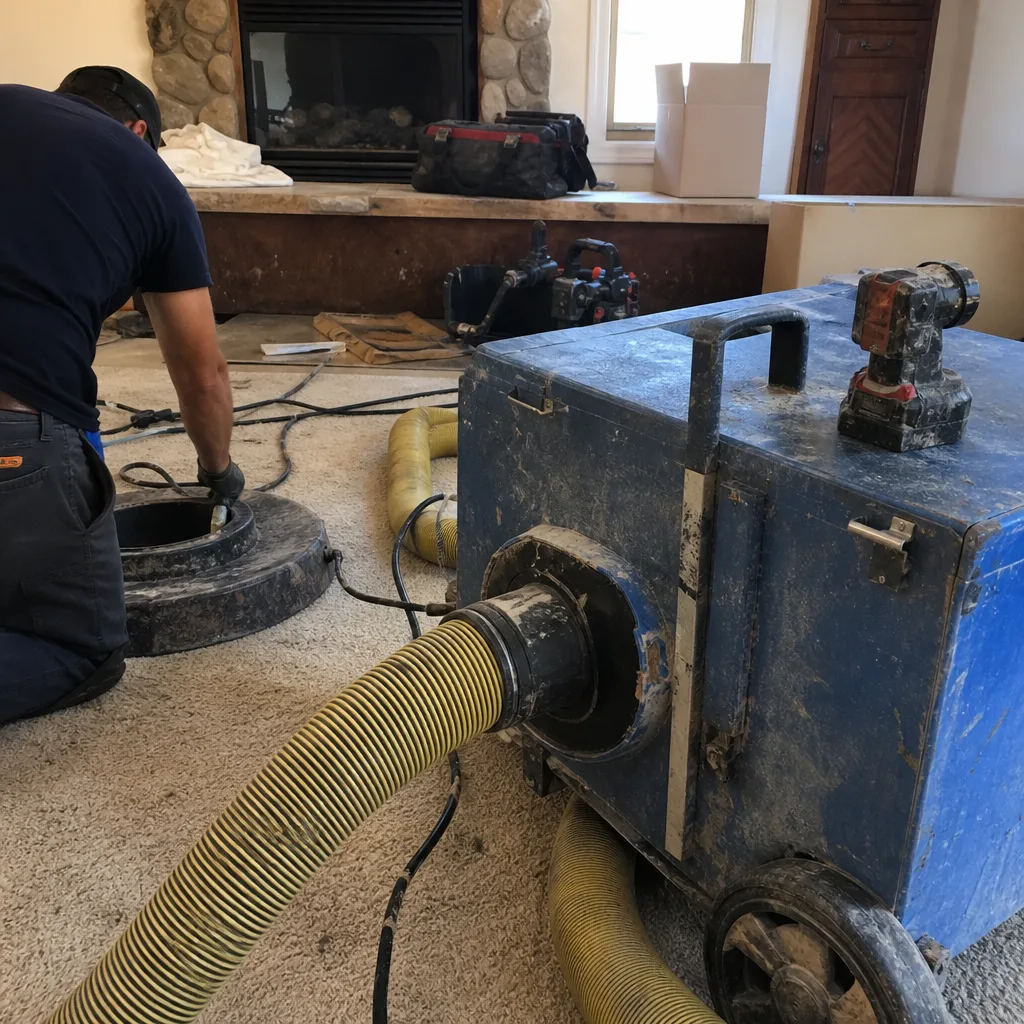
There are specific scenarios where a professional visit is worth scheduling, not just worth considering. Those include visible buildup on duct interiors or return plenums, a filter that loads inside a month during normal conditions, weak airflow at one or two registers while others feel normal, persistent odor that returns shortly after a filter change, a recent renovation where construction debris may have entered the system, and any pest activity inside the ducts or boots. The same visit can usually handle cleaning and any repair we discover, using professional-grade equipment from Nikro and Rotobrush, with air filtration containment from Abatement Technologies to keep dislodged debris from redistributing through the house.
Duct Cleaning Greeley offers free estimates in Greeley. Call (833) 467-7154 to schedule. We answer 24/7, and fast dispatch from 7am to 7pm is available Sunday through Friday.
Frequently Asked Questions
Twice a year covers most homes in Greeley, ideally once in spring after the dust and pollen peak and once in fall before heating season. Homes with pets, recent renovations, or residents with sensitivity to smoke or pollen may benefit from a mid-winter or mid-summer check as well. Call (833) 467-7154 for an exact quote, and estimates are free.
Usually both, depending on the state of the system. Smoke particles are much smaller than normal dust, so filtration is the more effective response to new smoke infiltration. Cleaning makes more sense when the system has established buildup, the coil is visibly loaded, or odor returns shortly after a filter change. Tell us what you’ve noticed when you call, and we’ll talk through which is right for your system. Call (833) 467-7154 for an exact quote, and estimates are free.
The first heating run pushes whatever has settled into the system over the summer through the entire house, so light dust smell at startup is normal and clears within a day. A metallic, oily, or hot-wire smell is different and needs a qualified HVAC technician to inspect the heat exchanger and burners. Call (833) 467-7154 if you’re unsure, and estimates are free.
Typical costs depend on system size, number of registers, and whether any repair is needed. Most homes see a range based on square footage and ductwork complexity. We set one flat price per system before work starts, agreed in writing, so there’s no per-vent pricing and no surprise at the end. Call (833) 467-7154 for an exact quote, and estimates are free.
We provide before-and-after photos of your own system’s ductwork during the visit, so you can see exactly what came out. We also work with contractor-grade equipment including Nikro HEPA-rated vacuum systems and Abatement Technologies air scrubbers, which are built for this work, not repurposed consumer tools. Call (833) 467-7154 for an exact quote, and estimates are free.
Yes. dryer vent cleaning is a dedicated service we offer alongside air duct cleaning, and it’s worth adding to any seasonal maintenance visit. Lint buildup is a documented fire hazard, and clearing it takes less time than most homeowners expect. Call (833) 467-7154 to schedule both together, and estimates are free.
We diagnose and repair duct problems on the same visit, using the same technicians who did the cleaning. That’s not always the case with cleaning-only providers, and it matters because a repair that’s found and then deferred tends to get lost in the shuffle. Call (833) 467-7154 to schedule a diagnostic visit, and estimates are free.
Quotes across Greeley vary significantly because the equipment, containment, and time applied vary. Some operators use shop-vac rigs and skip air filtration containment, which means dislodged debris can redistribute through the house. Professional-grade equipment including rotary brush and HEPA extraction, plus containment from an air scrubber, takes longer and costs more to run, but it’s what the job actually requires. We set one flat price per system, agreed in writing before work starts, so the number in the quote is what the invoice says. Call (833) 467-7154 for an exact quote, and estimates are free.
The Bottom Line
Greeley’s duct contamination follows a seasonal calendar, not a clock. Spring brings agricultural dust and pollen, summer brings wildfire smoke that most duct cleaning can’t fully resolve, fall starts the heating system and whatever built up over summer, and winter’s continuous run accelerates accumulation. Matching service to those seasons instead of a fixed annual reminder is what actually keeps the system clean. Two cleanings a year, filter changes inside each season’s peak, and a pre-heating inspection before the first cold snap covers most homes. If the system needs to be cleaned, or if a cleaning turns up a repair issue, we handle both in the same visit with professional-grade equipment.
Call (833) 467-7154 for a free estimate. We answer 24/7, and fast dispatch from 7am to 7pm is available Sunday through Friday.
Written by the team at Duct Cleaning Greeley.
See the difference
 Before
 After
 Before
 After
 Before
 After