
Last updated November 15, 2026
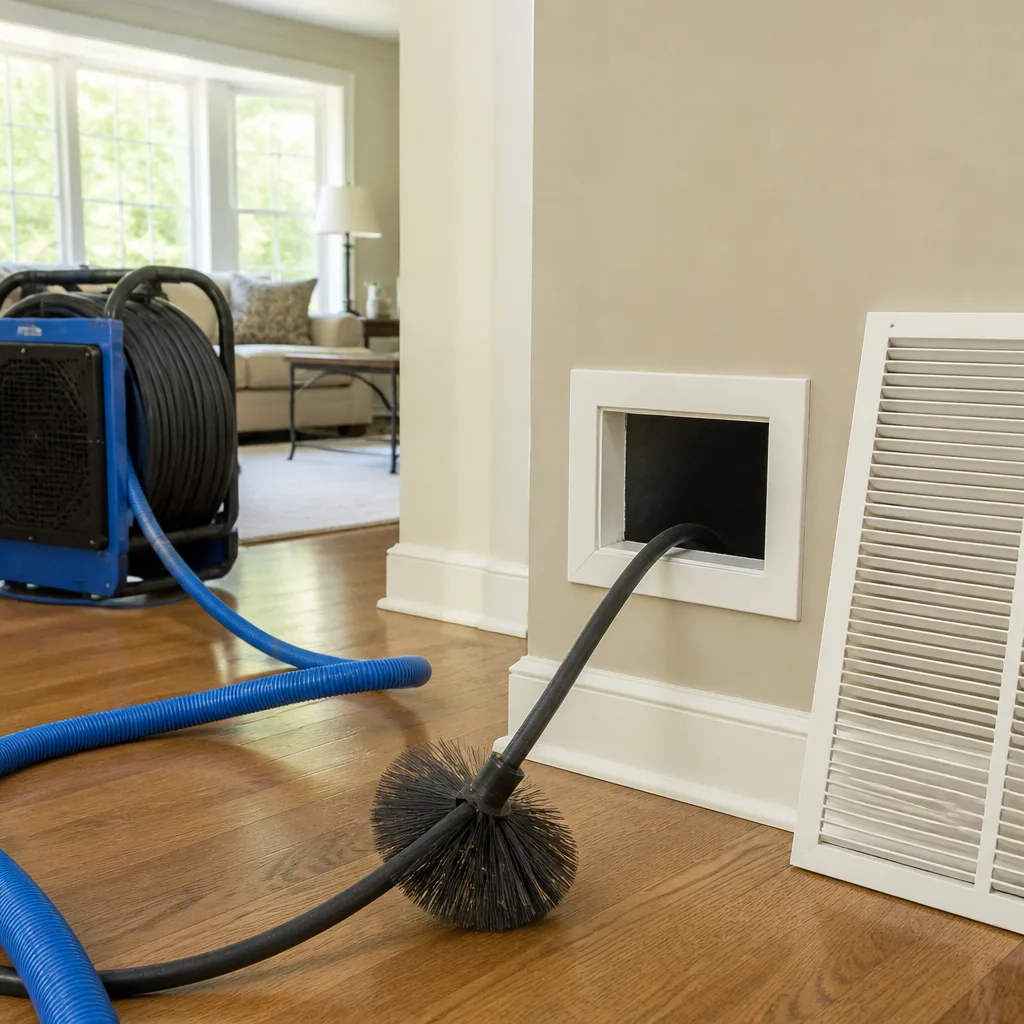 Whole-home duct cleaning
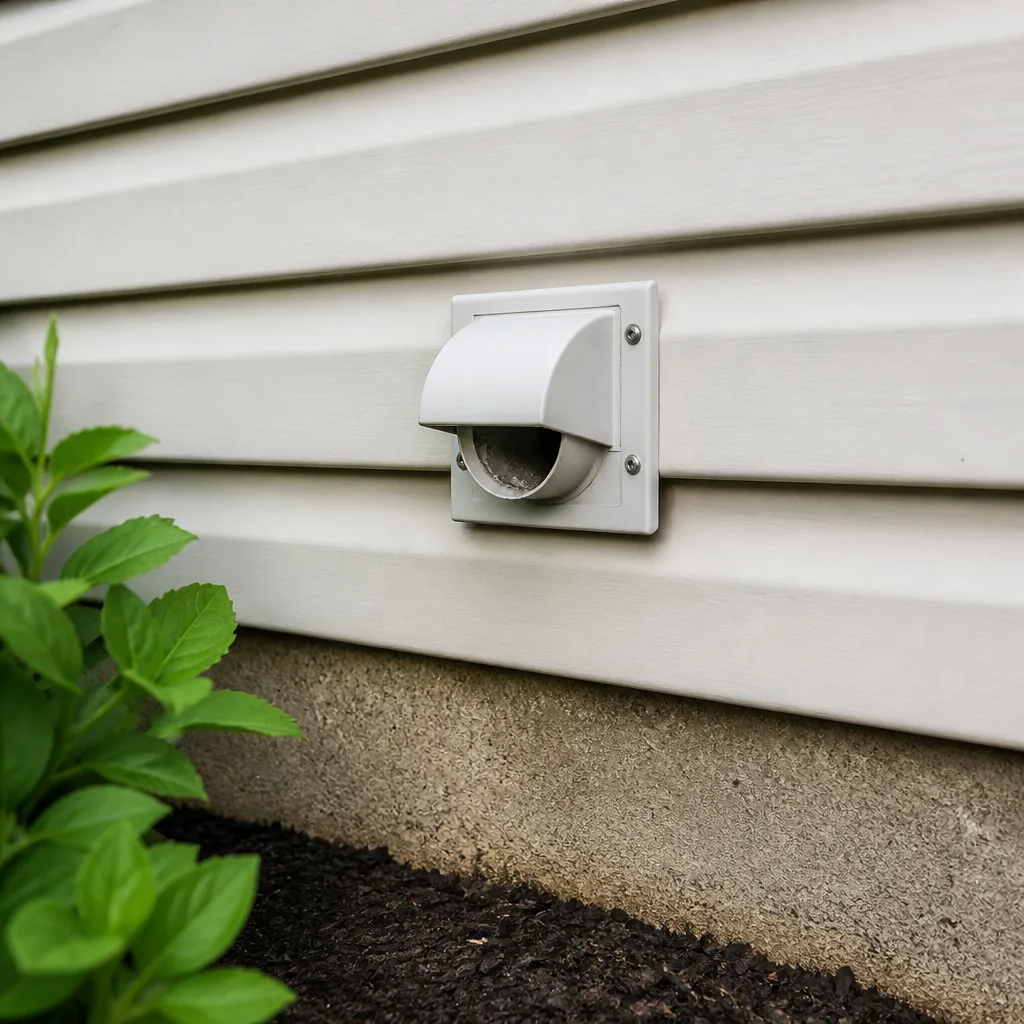 Dryer vent cleaning
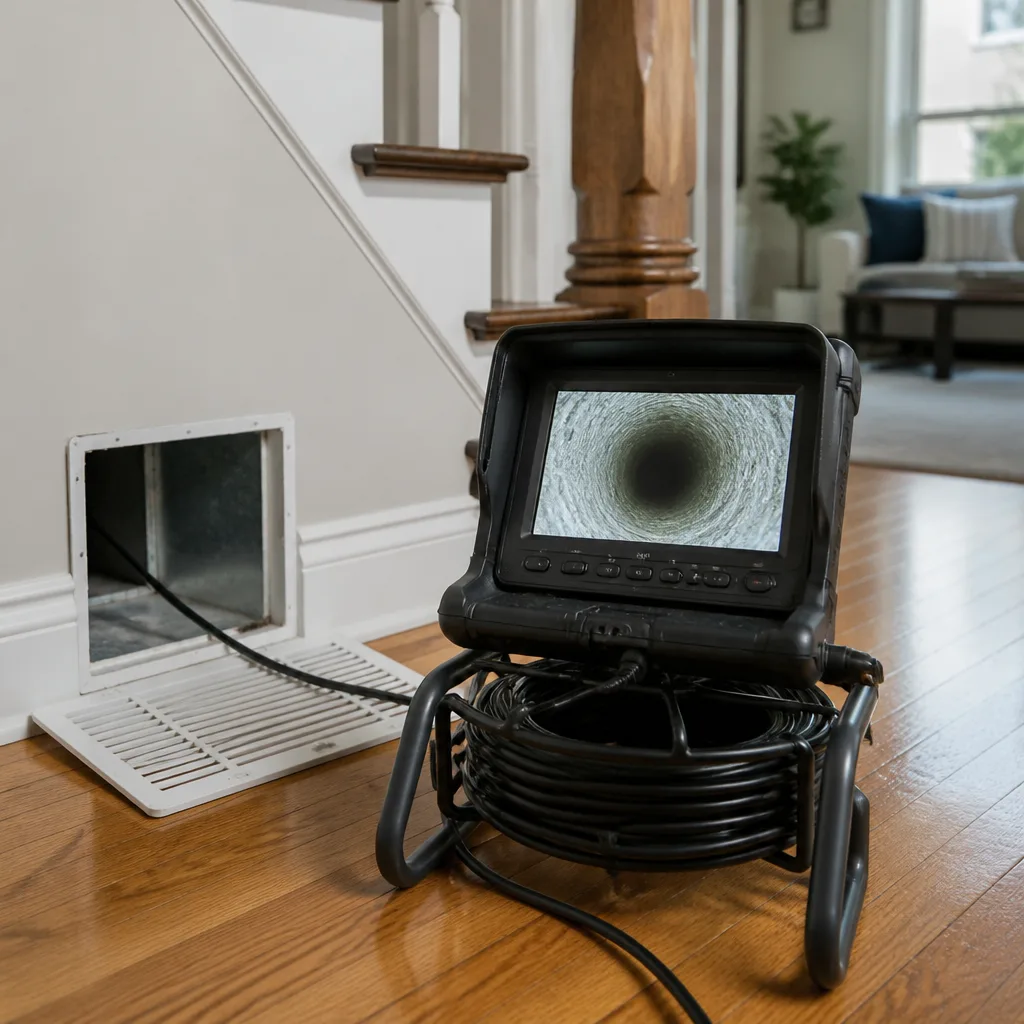 Camera inspection
 Sanitizing & deodorizing
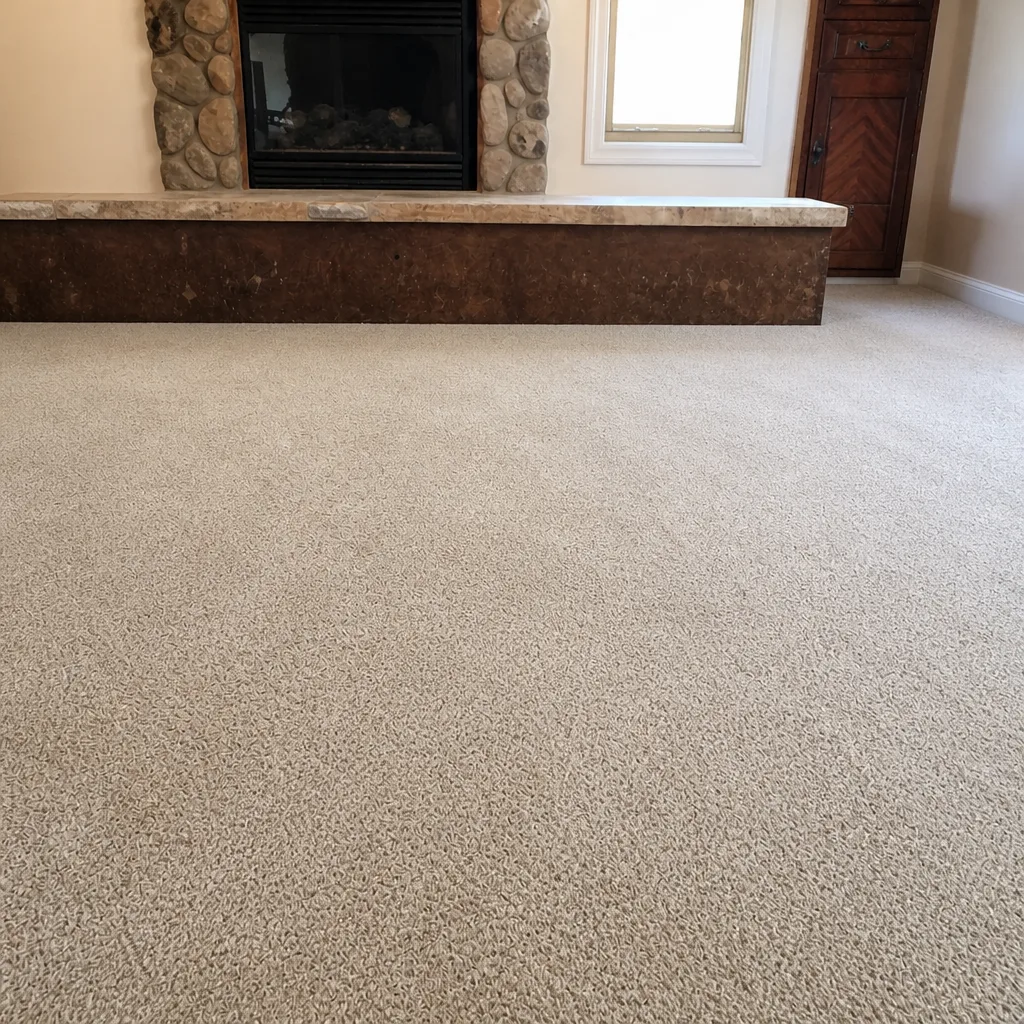
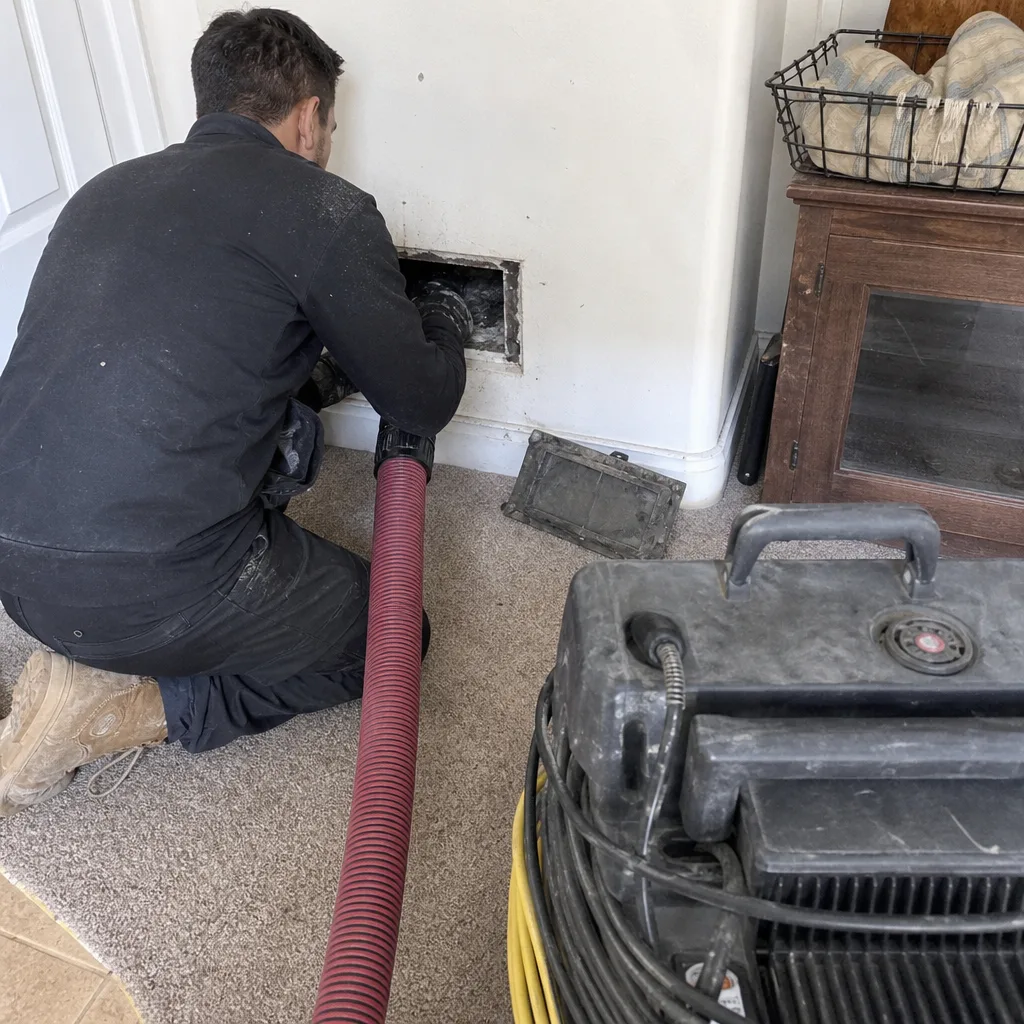
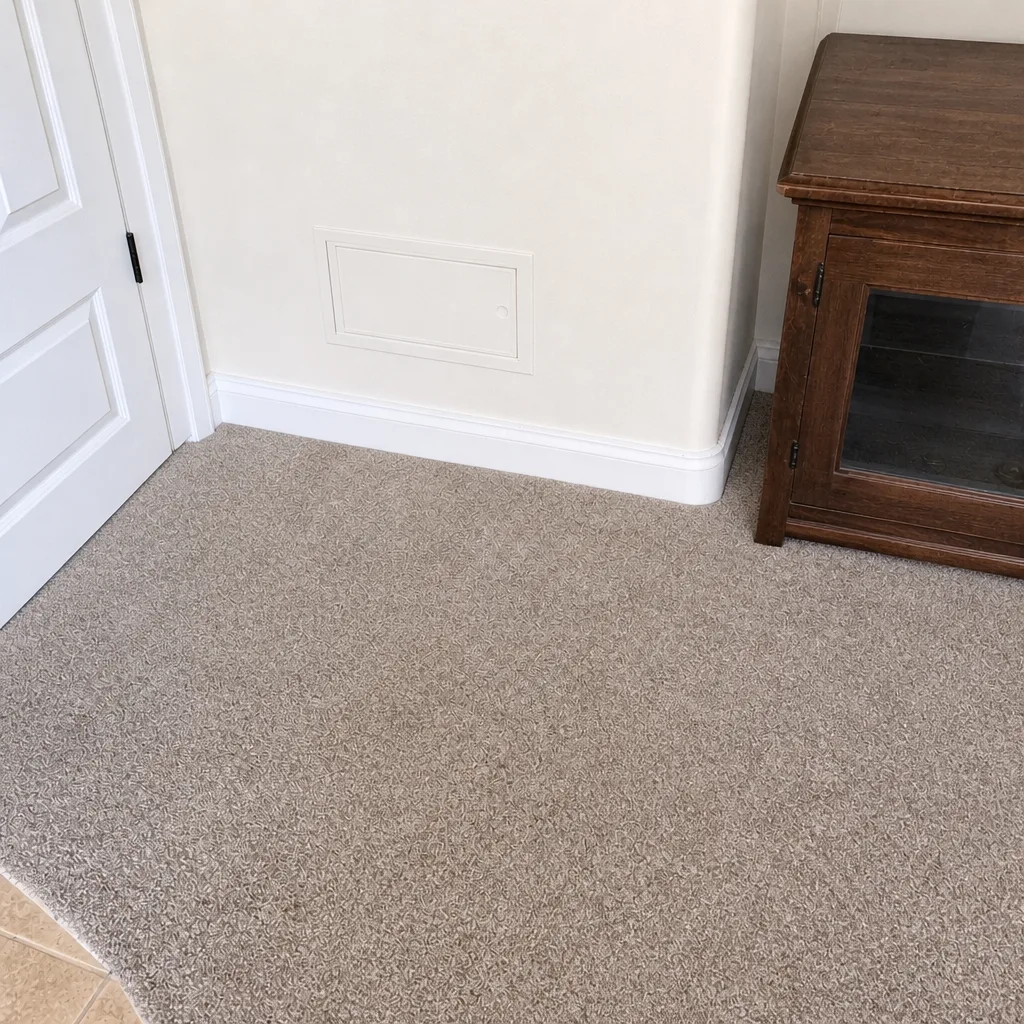
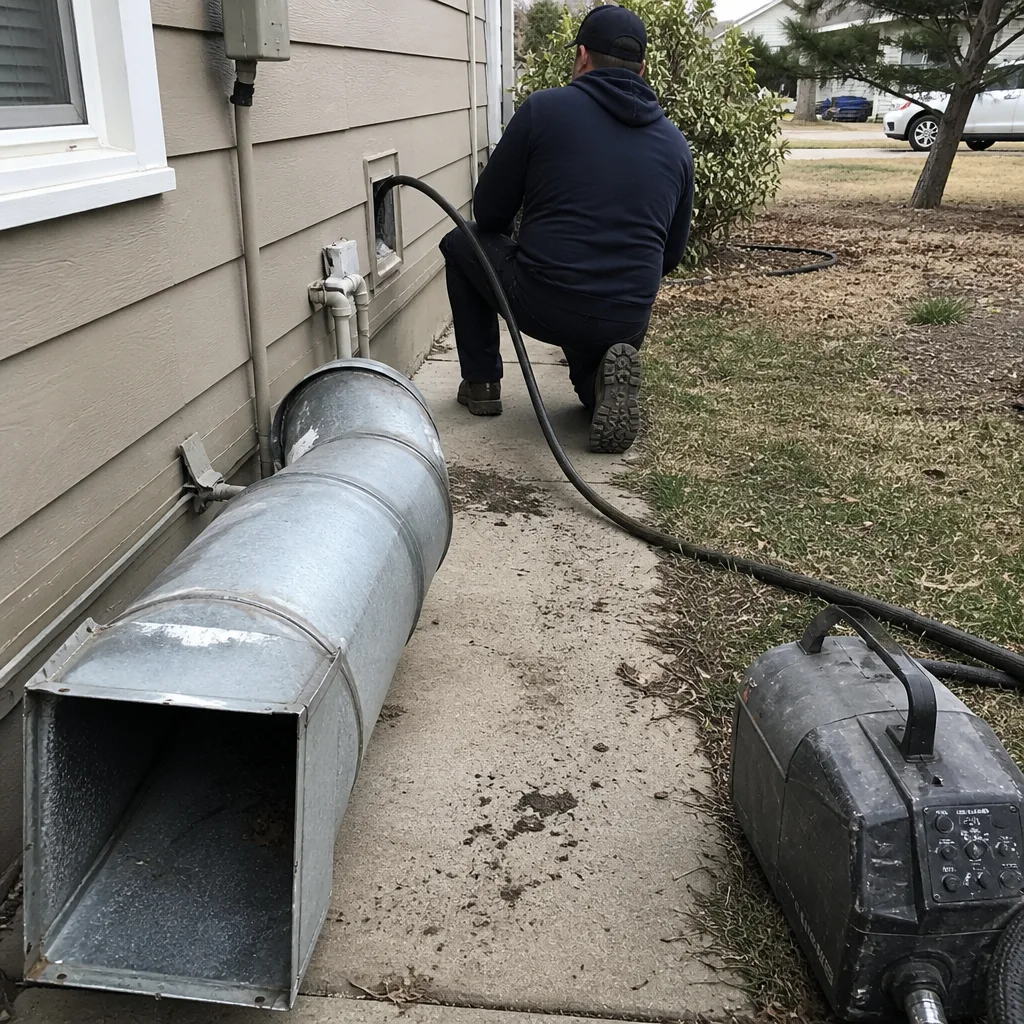
Whole-system duct and dryer vent check with before-and-after photos - you see exactly what came out of your vents
That "$99 whole-house special" is a bait ad - the real number appears once they are in your hallway, or the "clean" is a shop-vac at the register. We photograph the inside of your ducts before and after instead.
Air Duct Cleaning Emergency Preparedness Guide for Greeley Homes
Most emergency prep for Greeley homes stops at the water heater and the sump pump. Ducts never make the list, and that’s a costly omission. Here’s the counterintuitive part: the worst duct damage we see doesn’t happen during the event. It happens in the quiet days after, when smoke, hail debris, or soaked insulation sits undisturbed in the system and gets pulled back through the house. During the 2020 Cameron Peak fire smoke event, homes with leaky return-air paths pulled concentrated smoke directly into the duct system for days – a contamination picture very different from ordinary dust buildup, and one that needs a different response. This guide walks through how to prep a Greeley duct system before an event, what to do during one, and how to triage recovery afterward.
Quick Answer
Air duct emergency preparedness in Greeley means knowing three things before an event hits: where your return-air leaks are, how to shut smoke and debris out of the system during a fire or storm, and what your duct system actually looks like (duct count, material, service history) so a contractor can work fast after the fact. Wildfire smoke, hail damage to rooftop HVAC components, and hard-freeze pipe bursts each stress ductwork in a different way – and each has a specific first response. The short version: seal return leaks before smoke season, inspect the outdoor unit and roof curbs after hail, and treat wet duct insulation as a time-sensitive problem measured in hours, not weeks.
Styles & brands we work with
- Whole-home duct cleaning
- Dryer vent cleaning
- Camera inspection
- Sanitizing & deodorizing
Table of Contents
- Wildfire Smoke Infiltration: How to Protect Your Ducts During a Smoke Event
- Post-Smoke Duct Cleaning: What It Should Include That Standard Service Skips
- Hail and Storm Damage: Checking Your Duct System After a Greeley Hailstorm
- Hard-Freeze Recovery: When a Burst Pipe Soaks Your Duct Insulation
- Pre-Emergency Prep: Building a Duct System Map
- Multi-System Emergency Triage: What’s Urgent and What Can Wait
- When to Call a Professional
Wildfire Smoke Infiltration: How to Protect Your Ducts During a Smoke Event
When a wildfire burns west of Greeley and the wind carries smoke across the plains, the air outside gets bad and the assumption inside is that a closed house stays safe. That assumption breaks at the return-air side. Every duct system has pressure relationships – the return pulls air from the living space, and if there are gaps at the return plenum, the filter frame, or a disconnected flex run in the attic, that pull doesn’t always come from where you think. A leaky return in a Greeley home can draw from a crawl space or attic, and if outdoor smoke has infiltrated those spaces, the system concentrates it into the house.
The goal during a smoke event is to reduce duct system smoke loading – the amount of particulate that settles on duct interior surfaces and in the filter and coil. What matters:
- Run the system on recirculation and keep windows and doors closed. A closed house with a sealed return path is your best defense during a smoke event.
- Upgrade the filter if your system allows it. A higher-MERV filter captures finer particulate, but check that the blower can handle the added static pressure – a filter that’s too restrictive drops airflow and stresses the system. If you run Honeywell or Aprilaire filtration equipment, verify the filter is seated correctly and the housing seal is intact.
- Walk the returns and look for obvious gaps. Return grilles that hiss, filter frames that don’t seal, and flex duct that’s slipped off a collar are all entry points for smoke. A bead of mastic or proper foil tape at a loose joint is a pre-event fix, not an emergency one.
- Consider shutting the system down during the worst hours. If the smoke is heavy and you can tolerate the temperature, running a fan or opening a window to a cleaner room beats circulating smoke through the whole system.
None of that is a substitute for sealing a leaky duct system permanently – that’s what we do at air duct cleaning time, and it’s worth scheduling before fire season, not during it. If a Greeley home is already full of smoke, don’t leave the system running and hope it clears. Shut it down, seal what you can, and plan for a cleaning once the air outside improves.
Post-Smoke Duct Cleaning: What It Should Include That Standard Service Skips
Smoke residue is not dust. It’s fine, oily, and it clings to surfaces inside the duct in a way ordinary dust doesn’t. A standard cleaning that runs a vacuum through the trunk and calls it done will not remove smoke particulate that’s settled into the branch runs, the supply boots, or the coil face. A post-smoke response has to be more thorough, and it should include a few things a routine cleaning can skip:
- Mechanical agitation of every branch run, not just the trunk. That means a rotary brush system – we use Rotobrush – ran through each supply and return, not a hose waved at the main line.
- HEPA-rated vacuum capture throughout. A Nikro HEPA-rated vacuum keeps the fine smoke particulate from going back into the room while it’s being dislodged.
- Containment during the job. Abatement Technologies air scrubbers maintain negative pressure so that what’s dislodged doesn’t redistribute through the house. On a post-smoke cleaning, that’s not optional – you’re already dealing with a house that smells like a campfire.
- Filter and coil inspection. Smoke loads the filter and coats the coil. A filter change is routine; a dirty coil needs to be addressed, or the system keeps pulling smoke odor back into the supply air.
- Return-air sealing after the clean. This is the piece most contractors skip. If the return leaks were the reason the smoke got in, cleaning without sealing means the next smoke event repeats the problem.
After a major smoke event, in our experience the homes that recover fastest are the ones where the cleaning and the repair happen as one job. Cleaning without addressing damaged or disconnected ductwork just resets the clock. That’s why air duct repair is part of what we do, not referred out – if a technician finds a disconnected run or a crushed flex during the cleaning, the same team fixes it.
Hail and Storm Damage: Checking Your Duct System After a Greeley Hailstorm
Greeley sits in one of the most active hail corridors in the country, and a storm that dents a car or shreds a shingle also takes a shot at anything on the roof – including the HVAC equipment and the roof curb where the duct system passes through. The problem is that hail damage to rooftop ductwork and outdoor units often doesn’t make itself known until the system starts behaving oddly weeks later.
What to check after a hailstorm, in order:
- Outdoor unit and roof curb. Look for dents in the condenser cabinet, bent fins, cracked or displaced roof curb, and any gap where the duct transitions through the roof. A cracked curb seal is a direct path for water and debris into the duct system.
- Attic and crawl space runs. Flex duct in a Greeley attic can be crushed, kinked, or torn loose by wind-driven debris or by ice damming after a storm. Look for runs that are compressed, sagging, or disconnected at a collar.
- Filter and return grilles. Debris blown in through a compromised roof curb ends up at the filter. A filter that clogged fast after a storm is a signal the system pulled in outdoor material.
- System performance. Reduced airflow, a system that runs longer than usual, or uneven temperature room to room can all be downstream symptoms of duct damage.
If hail took out a piece of rooftop equipment, the duct connection at that curb is where debris intrusion starts. A storm-damaged duct system isn’t a cleaning problem alone – it needs an inspection to find where the intrusion happened, and in many cases a repair to close it. We handle that in Greeley as part of our regular service, because a cleaning that doesn’t fix the entry point just means the debris comes back with the next storm.
Hard-Freeze Recovery: When a Burst Pipe Soaks Your Duct Insulation
A hard freeze in Greeley – the kind that follows a warm spell and catches plumbing on exterior walls – floods crawl spaces and basements. When the burst pipe is near the duct system, the water soaks duct insulation, and the timeline on contamination is short. Duct insulation that stays wet supports mold growth, and that growth can start within a few days in a warm, humid crawl space. The clock matters more than most homeowners realize.
Here’s the contamination and mold risk timeline, generally:
- First 24-48 hours: Insulation absorbs water. If the system runs during this window, it pulls moisture-laden air through the whole duct system, which spreads the problem.
- Days 2-7: Mold can begin colonizing wet insulation and the interior duct surfaces it touches. The smell follows, and once it’s established in the duct lining, cleaning alone won’t always solve it.
- Beyond a week: The question shifts from cleaning to replacement for any duct section with soaked, mold-affected insulation. Lined flex and insulated sheet metal that’s been wet that long generally shouldn’t be cleaned and reused.
The decision between cleaning and duct replacement comes down to what got wet and for how long. Surface contamination on a metal duct that was wet briefly can often be cleaned and dried. Soaked insulation, saturated duct board, and any run with visible mold growth generally needs replacement – and that’s a repair job, which we do in-house. Shut the system down after a pipe burst, don’t run it until the ductwork has been inspected, and get a professional eyes-on assessment fast. What we don’t do is mold remediation; that’s a licensed remediation contractor’s job. We handle the duct cleaning and the repair once the remediation scope is clear.
Pre-Emergency Prep: Building a Duct System Map
The single best thing a Greeley homeowner can do before an emergency is document the duct system. After an event, the difference between a fast, accurate response and a slow one is usually whether anyone knows what’s actually in the house. A mapped system lets a contractor plan the job before they arrive, so the first visit is productive instead of a discovery tour.
What your duct system map should include:
- Duct count: Number of supply and return runs, roughly, by room. You don’t need to measure – a walk-through count is enough.
- Duct material: Rigid sheet metal, flex, or duct board. Flex duct in a Greeley attic behaves differently from rigid in a basement, and repair approaches differ.
- Location of accessible runs: Where the ductwork is visible – attic, crawl space, basement, chases. Note any runs that aren’t accessible without opening a wall.
- Last service date: When the system was last cleaned or inspected. A post-emergency contractor can plan around what’s already been done.
- Equipment and filtration: Furnace or air handler make and model, filter size and MERV, and whether the home has a Honeywell or Aprilaire filtration system, an HRV, or a humidifier tied into the ductwork. If it’s part of the system, it needs to be part of the post-event inspection.
- Photos: A few shots of the air handler, the filter location, and the accessible duct runs. Photos settle a lot of questions after an event when the system is full of debris.
Keep the map with your emergency information, not buried in a file. When you call after a smoke event or a freeze, being able to say “flex duct, twelve supplies, last cleaned two years ago, Aprilaire filter” gets the job moving faster. A documented map is also useful when you call dryer vent cleaning, since a clogged dryer vent is its own emergency waiting to happen and benefits from the same baseline.
Multi-System Emergency Triage: What’s Urgent and What Can Wait
After a major event – a fire, a flood, a hailstorm – multiple systems in a Greeley home get affected at once, and the duct system usually isn’t at the top of the list. It shouldn’t be, in most cases. But it’s not at the bottom either, and knowing where it falls helps you allocate time and money when everything is urgent at once.
How to prioritize duct system response in a multi-system emergency:
- Life safety first. Gas leaks, burst pipes still running, electrical hazards, structural damage: those outrank the duct system, always.
- Water intrusion near the duct system is urgent within 24-48 hours. A soaked duct section becomes a mold problem fast. Get the water stopped, shut the system down, and schedule the duct inspection in the first couple of days.
- Smoke infiltration is next. A house that pulled smoke into the duct system during a fire or a smoke event needs a cleaning fairly promptly – the odor becomes harder to remove the longer it sits – but it’s not an hour-one emergency.
- Debris intrusion from storm damage is next. A compromised roof curb or a damaged outdoor unit should be inspected within the week, and the duct connection sealed before the next rain.
- Routine cleaning can wait. If the system was due for a cleaning and an event happened, the cleaning can wait its turn unless it’s been wet or smoke-loaded.
Getting an honest triage means asking a contractor specific questions: “What’s the worst thing that happens if this duct issue waits a week?” and “What’s your recommendation for what to address first, and what can wait?” A good contractor will tell you when something can wait – because recommending a cleaning that isn’t needed after a stressful event is the fastest way to lose a customer for life. We’d rather tell you to hold off than sell you work you don’t need.
See the difference
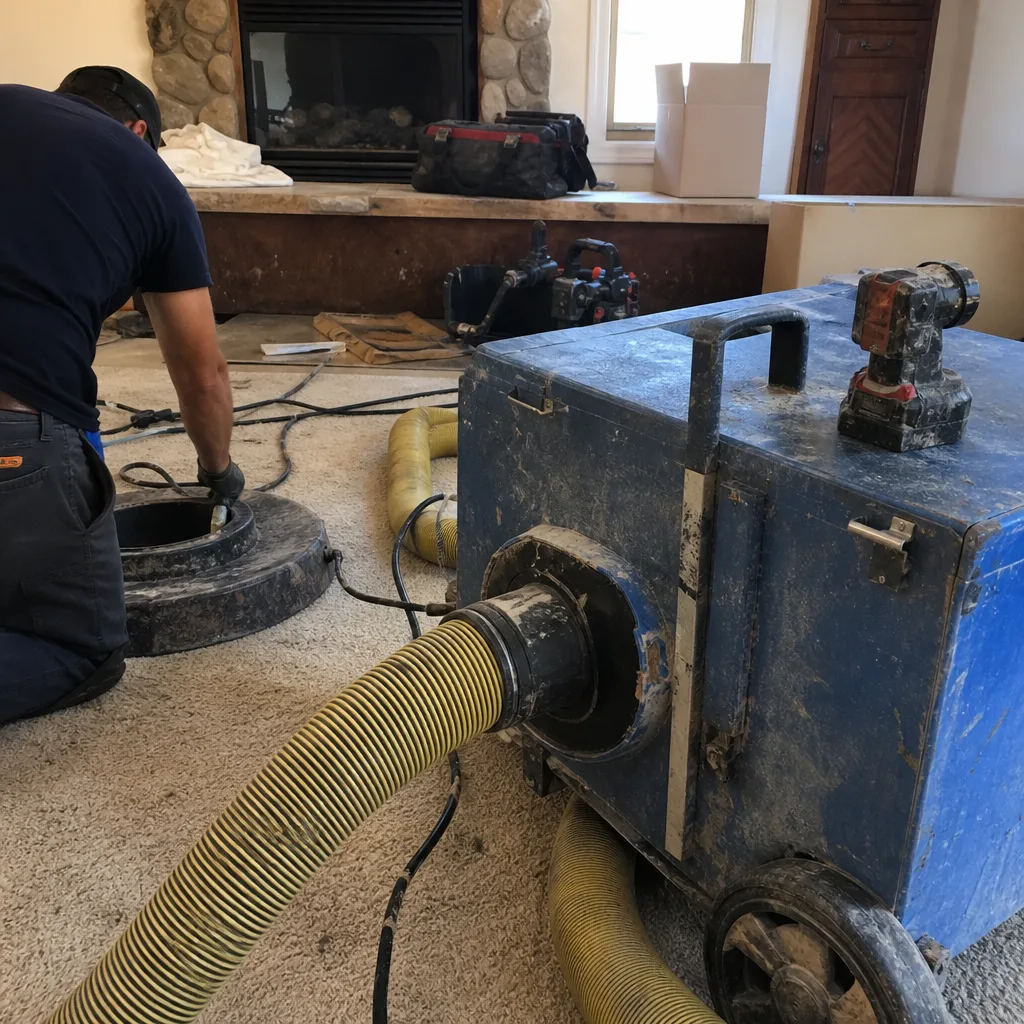 Before
 After
 Before
 After
 Before
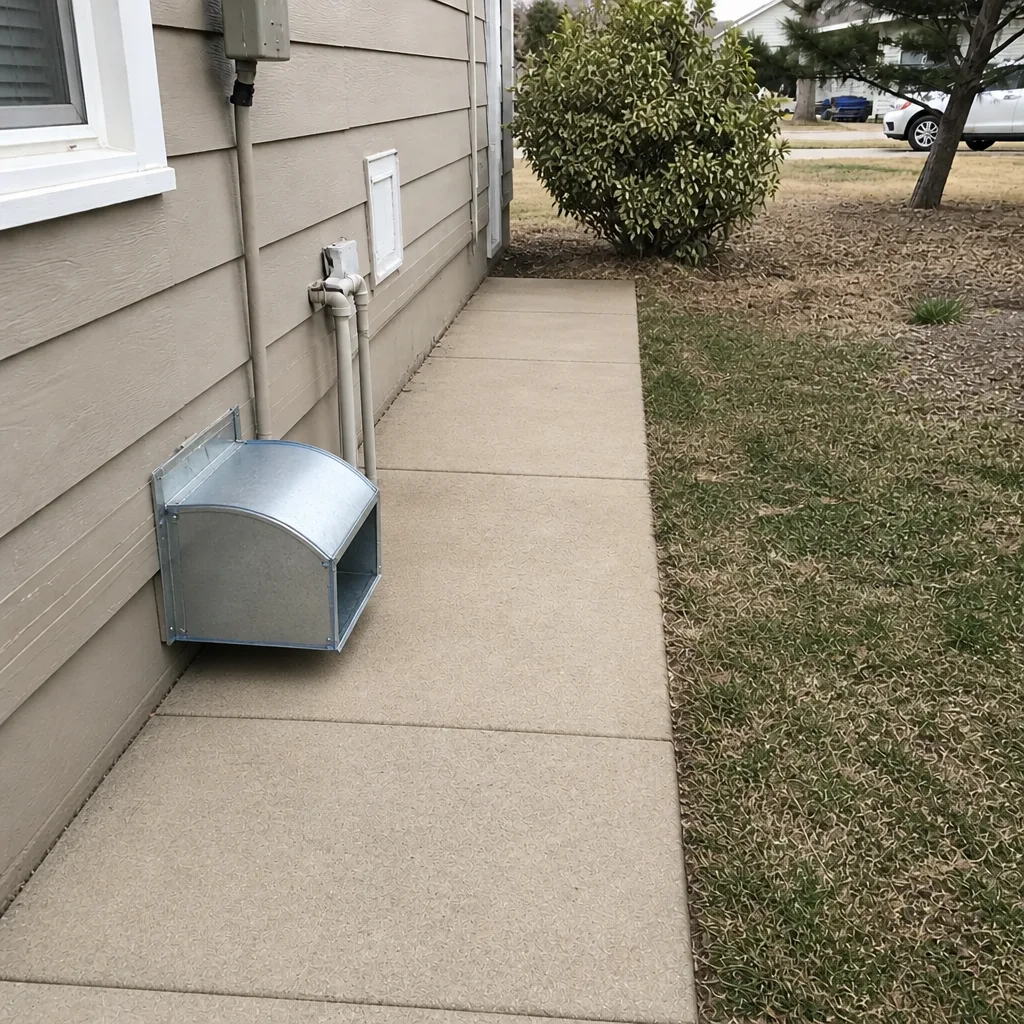 After
Common Mistakes to Avoid
- Running the system during a smoke event. Running the air handler while smoke is heavy outside pulls that smoke through the return and loads every duct surface. Shut it down and seal what you can.
- Assuming a standard cleaning is a post-smoke cleaning. Routine cleaning addresses dust; smoke needs branch-run agitation, HEPA capture, and return-air sealing. They’re different jobs.
- Waiting to address wet duct insulation. In a Greeley crawl space, mold can establish within days. The longer the insulation stays wet, the more likely the answer shifts from cleaning to replacement.
- Skipping the outdoor unit and roof curb after hail. The ductwork isn’t the only thing a hailstorm hits. A damaged curb is a debris path into the system that cleaning alone won’t fix.
- Not documenting the duct system. A homeowner who can tell a contractor the duct count, material, and service history gets a faster, more accurate response than one who has to guess.
- Cleaning without repairing entry points. If the return leaks or the storm damage opened a gap, cleaning without sealing means the next event repeats the problem.
- Assuming a “certified” scrubber is enough. Containment isn’t a brand of equipment; it’s what the technician runs it with. Negative pressure from Abatement Technologies scrubbers is what keeps dislodged debris from going back into the house.
- Ignoring the dryer vent in a freeze or storm. A dryer vent that’s crushed or disconnected during a storm isn’t just a performance issue; lint buildup is a documented fire hazard. It deserves the same post-event check as the duct system.
When to Call a Professional
Call a professional after any event that pushed smoke, water, or debris into a duct system. Specifically: a wildfire smoke event that blanketed Greeley for multiple days, a hailstorm that damaged rooftop HVAC equipment or the roof curb, a hard-freeze burst pipe near ductwork, or any situation where you can smell smoke, mustiness, or mold after the event. Have the system inspected if airflow dropped, if the filter clogged unusually fast, or if duct runs were damaged. If the answer is duct replacement rather than cleaning, get a written scope before work starts. Duct Cleaning Greeley offers free estimates in Greeley – call (833) 467-7154. We answer 24/7, with fast dispatch from 7am to 7pm, Sunday through Friday.
Frequently Asked Questions
Generally no, unless the system has a well-sealed return path and a high-MERV filter rated for the equipment. In most Greeley homes with any return-air leakage, running the system pulls smoke directly into the ducts. Shut it down during the worst hours, seal obvious return gaps, and plan a cleaning once the air outside improves. Call (833) 467-7154 for an inspection after the event – estimates are free.
Look at the outdoor unit and roof curb first. Dents in the condenser cabinet, a cracked or displaced roof curb, and gaps where the duct transitions through the roof are the visible clues. Inside, reduced airflow or a filter that clogged fast suggests debris intrusion. If any of those are present, get an inspection before the next storm.
Sometimes – if the contamination is surface-level and the ductwork has been dried quickly. Once mold has established in duct insulation, cleaning alone usually won’t solve it, and replacement of the affected section is the better answer. Mold remediation itself is a separate licensed trade; we clean and repair ductwork, we don’t remediate mold. Call us to assess whether the duct section is a cleaning or a replacement. Estimates are free.
Within a few weeks is reasonable if the system was shut down during the event. If the system ran through heavy smoke, sooner is better – the odor and smoke residue become harder to remove the longer they sit. A post-smoke cleaning should include branch-run agitation, HEPA capture, containment, and return-air sealing. Call (833) 467-7154 to schedule.
It can be, because post-event cleaning often takes more time and can turn up repair work. We quote a flat price per system before the work begins, so you know the number up front, and the written estimate sets the final price. If the job needs repair, you’ll see that scope in writing before we start. Call for an exact quote.
That depends on your policy and the cause of the loss. Many homeowner policies cover cleanup tied to a covered event, and we can work directly with your insurer to document what we find. The best move is to call your adjuster before the cleaning and get the scope approved, then call us for the estimate. We answer 24/7.
You can and should. Walk the home, count the returns and supplies by room, note the duct material where it’s visible, snap a few photos of the air handler and filter location, and record the last service date. A technician can fill in the parts you can’t see. Call (833) 467-7154 if you’d like help with the documentation during an inspection.
Check it. A storm that damaged roof components or a freeze that moved plumbing can also crush or disconnect a dryer vent, and lint buildup in a damaged vent is a documented fire hazard. Dedicated dryer vent cleaning is one of our three core services – call (833) 467-7154 to add it to the estimate.
The Bottom Line
The duct system is the most overlooked part of a Greeley home emergency. Wildfire smoke, hail damage, and hard-freeze pipe bursts each stress it in a way that gets missed in the rush to fix what’s visible. The fix is preparation: document the system, know where the return leaks are, and understand the first response for each event. After the fact, match the response to the event – a post-smoke cleaning is not a routine cleaning, wet insulation is a time-sensitive problem, and any cleaning should be paired with repair of the entry point. Professional-grade equipment and a repair capability under the same roof make that a single call. Duct Cleaning Greeley covers Greeley, with duct cleaning, dryer vent cleaning, and air duct repair handled by the same trained technicians. Call (833) 467-7154 for a free estimate. We answer 24/7. Fast dispatch, 7am-7pm, Sunday through Friday.
Written by the team at Duct Cleaning Greeley.