
Last updated November 15, 2026
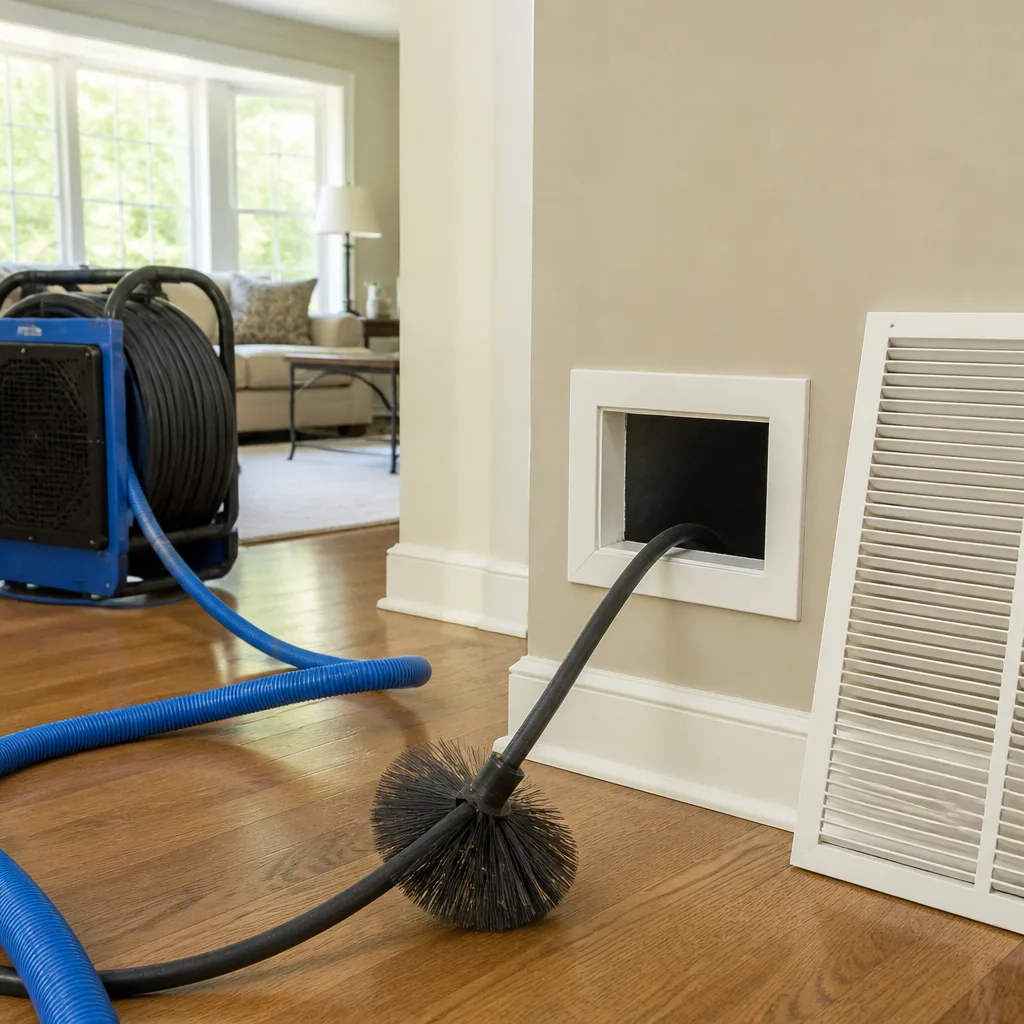 Whole-home duct cleaning
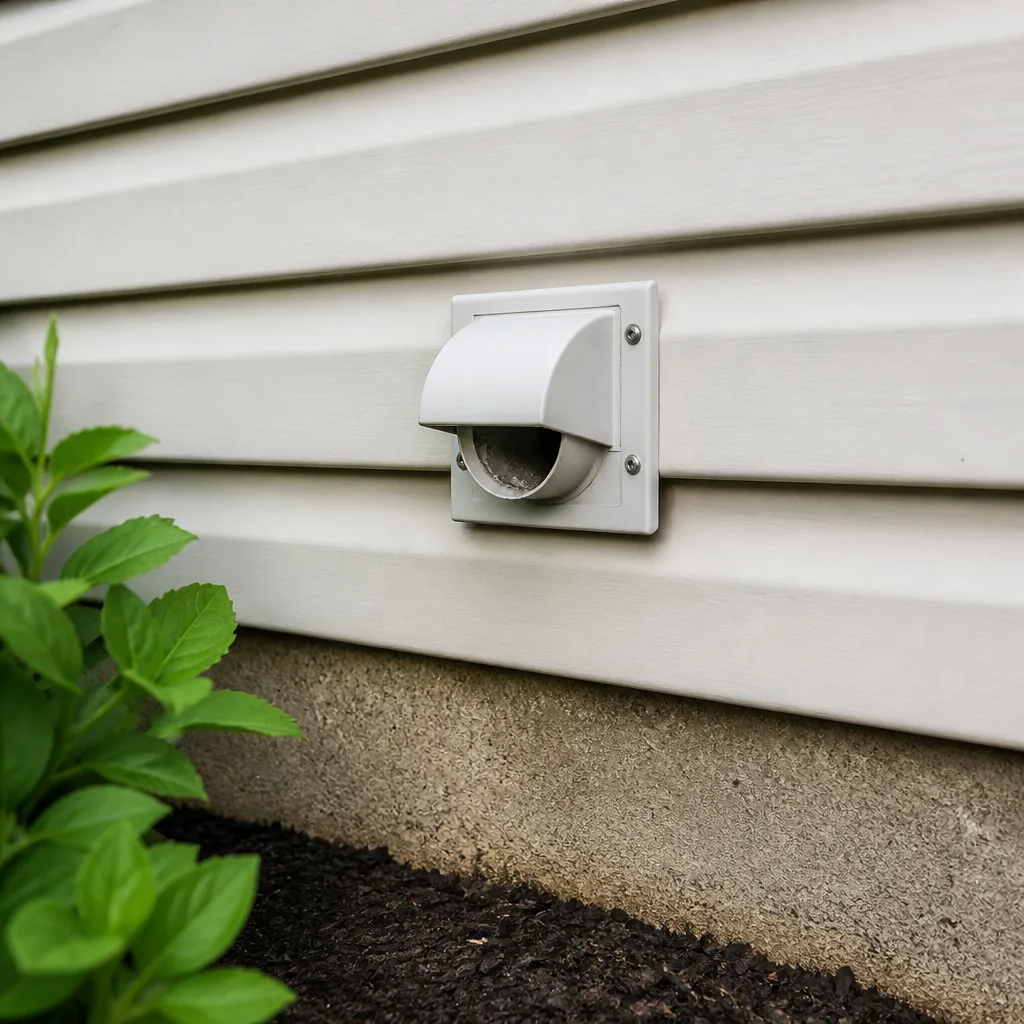 Dryer vent cleaning
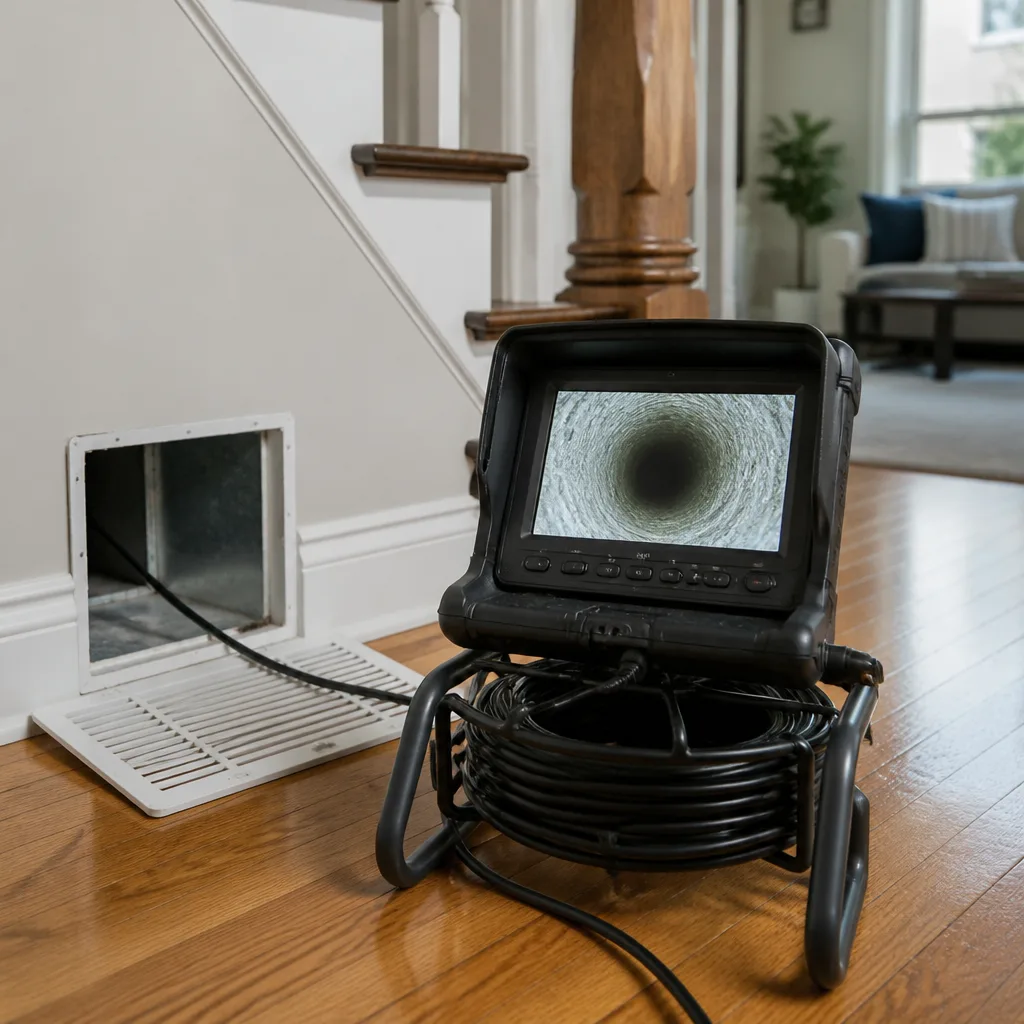 Camera inspection
 Sanitizing & deodorizing
Whole-system duct and dryer vent check with before-and-after photos - you see exactly what came out of your vents
That "$99 whole-house special" is a bait ad - the real number appears once they are in your hallway, or the "clean" is a shop-vac at the register. We photograph the inside of your ducts before and after instead.
Air Duct Cleaning Maintenance Schedule: What to Do and When
The “every three to five years” rule for duct cleaning was never based on measured debris accumulation. It spread because it’s easy to repeat, not because anyone tested it against homes in a windy, high-altitude place like Greeley. In practice, two identical houses on the same block can need service at completely different intervals. One runs a MERV 13 filter in a cabinet system and hasn’t touched a project in years. The other just finished a basement finish and added a second dog. This guide replaces the generic calendar with a decision framework built on the variables that actually drive debris buildup: filter grade, local dust and wind, pets, renovation, and what your return grilles are telling you. You’ll leave with a schedule you can defend, not one you guessed at.
Quick Answer
There is no single correct interval for air duct cleaning. For most Greeley homes, a professional cleaning every three to five years is a reasonable baseline, but that number should move based on your filter grade, pet load, renovation history, and what you see at the return grilles. Homes running higher-grade filtration with consistent filter changes can stretch toward five or six years, while homes with pets, recent drywall work, or chronic filter neglect often need service sooner. Event-based triggers, not the calendar, should reset your clock.
Styles & brands we work with
- Whole-home duct cleaning
- Dryer vent cleaning
- Camera inspection
- Sanitizing & deodorizing
Table of Contents
- Why the 3-to-5-Year Rule Is a Convention, Not a Measurement
- How Greeley’s Climate Changes the Math
- Your Filter Grade Sets Your Schedule
- Event-Based Triggers That Reset the Clock
- What to Do Between Professional Cleanings
- How to Keep an Inspection Log That Actually Helps
- When Cleaning Turns Up Duct Damage
- Common Mistakes to Avoid
Why the 3-to-5-Year Rule Is a Convention, Not a Measurement
The familiar three-to-five-year recommendation gets repeated across the industry, but it isn’t drawn from a study that tracked debris accumulation in real homes. It became a default because it sounds reasonable and it’s simple to say on a phone call. That doesn’t make it useless. It makes it a starting point that deserves calibration.
What actually determines how fast ducts accumulate debris is a combination of inputs. In our experience across Greeley homes, the biggest drivers are:
- Filtration grade and filter maintenance. A system running a clean, correctly sized filter catches far more particulate before it reaches the ductwork.
- Outdoor particulate load. Windblown soil, pollen, and construction dust all enter through the return side of the system.
- Indoor sources. Pet dander, cooking, candles, and fireplace use all add to what the system pulls in.
- Renovation activity. Drywall dust is fine, abrasive, and travels deep into duct runs.
- Duct condition. Leaking or disconnected joints pull unfiltered air from unconditioned spaces like attics and crawlspaces.
A house with a well-sealed duct system, a media cabinet filter, and no pets can go considerably longer than the default rule suggests. A house with a leaking return chase and two shedding dogs will need attention much sooner. The point isn’t to throw out the baseline; it’s to treat it as a floor or a ceiling depending on which inputs you have. This is the framework we use when we clean ducts in Greeley and talk homeowners through what their system actually showed.
How Greeley’s Climate Changes the Math
Greeley sits on the high plains of the Front Range at roughly 4,600 feet, in a semi-arid climate with low humidity and persistent wind. Those conditions matter for duct contamination in ways that coastal or humid-climate advice doesn’t capture.
Low humidity and fine particulate
Dry air allows fine soil particles to stay airborne longer. Wet climates tend to knock dust out of the air faster; here it circulates. When your HVAC system runs, it’s pulling that suspended particulate through the return grilles. Over several seasons, that adds up.
Wind-driven infiltration
Front Range wind events push fine dust against the envelope of a house, and it finds its way in through gaps around windows, doors, and the return-side penetrations. Homes with return ducts running through an attic or vented crawlspace are especially exposed, because any leak in that run becomes an unfiltered intake.
Heating season length
Greeley homes run their furnaces for a meaningful chunk of the year, and the system moves a lot of air through the same ductwork during that time. More runtime means more opportunities for particulate to settle on duct walls. A home in a mild climate that runs heat sparingly simply moves less air.
What this means for your interval
If you’re comparing advice written for a humid market to what applies here, adjust. Greeley homes generally sit at the earlier end of any recommended window, especially if the duct system isn’t tight. We’ve seen the difference a sealed, well-filtered system makes compared to a leaky one in the same neighborhood. Our Greeley service notes reflect the local conditions rather than a national average.
Your Filter Grade Sets Your Schedule
The single most controllable variable in your duct contamination rate is the filter you run and how faithfully you change it. Homes using MERV 8, MERV 13, and a media cabinet like a Honeywell or Aprilaire unit are not on the same schedule, even if they’re the same age and size.
MERV 8: the common baseline
MERV 8 is what most builder-grade systems use and what’s available at any hardware store. It catches larger particulate but lets a lot of fine dust through. Homes running MERV 8 filters, especially with pets or near active construction, tend to accumulate duct debris faster. A three-year interval is realistic for many of these homes, and some need it sooner.
MERV 13: tighter filtration, tighter schedule
MERV 13 filters catch a much finer range of particles, which means less reaches the ductwork. A home running MERV 13 consistently can reasonably stretch toward five years. The catch: MERV 13 filters load up faster and can restrict airflow if the system wasn’t designed for them. Change them on schedule or you trade duct cleanliness for a strained blower.
Media cabinets: Aprilaire and Honeywell
A 4- or 5-inch media cabinet, like an Aprilaire 2410 or a Honeywell equivalent, offers more surface area and holds more dust before it loads. These systems often carry the lowest duct contamination rates because they’re highly effective and homeowners change them less often, so they’re less likely to run a clogged filter for months. Homes with a properly maintained media cabinet can often go five to six years between cleanings. We work around these systems regularly and know how to protect the cabinet during service.
Sizing matters more than grade
A MERV 13 filter that’s the wrong size, or seated poorly in a cheap frame, bypasses air around its edges. That defeats the purpose and sends unfiltered air straight to the ducts. Fit matters as much as the rating.
If your ductwork is compatible with Guardsman or another brand, the same logic applies: the filter is only doing its job when it’s the right size, seated right, and changed on time.
Event-Based Triggers That Reset the Clock
Time elapsed is only one variable. Certain events reset your schedule regardless of how long it’s been since your last cleaning. If any of the following happened, the calendar is no longer your guide.
- Renovation with drywall work. Cutting, sanding, and finishing drywall produces enormous quantities of fine dust. It gets pulled into the return side during the project and settles deep in the duct runs. Many contractors seal returns during the work, but if yours didn’t, plan a cleaning.
- Adding a pet, or a second one. Pet dander is fine, sticky, and accumulates on duct walls. A new dog or cat in the home is a schedule-reset event.
- HVAC equipment replacement. When a furnace, air handler, or AC coil is replaced, the ductwork gets disturbed and often reveals debris that was sitting quietly. Have the ducts assessed at the same time.
- Confirmed rodent intrusion. Rodents in ductwork leave droppings and nesting material, and the contamination is a health concern. This requires professional removal, not a homeowner vacuum.
- Moving into a previously owned home. You don’t know the previous owner’s maintenance habits or what happened in that house. A cleaning before you settle in gives you a known baseline.
- Persistent unexplained dust or odor. If you’re dusting more often than usual, or noticing a musty or stale smell when the system kicks on, the ducts are telling you something.
Each of these events can override a five-year plan or accelerate a three-year one. The right move is to treat the trigger as a prompt for an inspection, not an automatic cleaning. Sometimes the assessment shows the system is fine; sometimes it doesn’t. That’s why we do a visual inspection before recommending anything.
What to Do Between Professional Cleanings
The interval between cleanings is where homeowners have the most control, and where most schedule problems start. A few habits make a real difference to how fast your ducts load up.
Change filters on a real schedule
Not “when I remember.” For a 1-inch filter, that’s typically every one to three months depending on the home. For a media cabinet, it’s often every six to twelve months. The high-plains dust in Greeley means the shorter end of those ranges is more common. Mark it on a calendar. A filter that’s been in for six months in a dusty Greeley home isn’t filtering much.
Vacuum registers and grilles properly
Wipe down or vacuum the surface of your return grilles and supply diffusers. Use a brush attachment rather than a bare nozzle, and be gentle so you’re removing surface dust without pushing it further in. This reduces what gets pulled into the duct on the next system cycle. It doesn’t clean the ducts, but it slows the buildup.
Watch the return grilles for early warning signs
Your return grilles are the closest thing your ducts have to a window. A visible gray film on the grille, dust streaming off the slats, or a noticeable pull of debris toward a return are early signs of heavy loading. If you see this, don’t wait for the calendar.
Keep the system running and balanced
Don’t close off large portions of the house by shutting registers. That changes static pressure and can pull unfiltered air through duct leaks. Keep the system running as designed and let a professional address any rooms that never feel right.
Address small leaks early
A leaking joint or disconnected section pulls unfiltered air from wherever the duct runs through, attic, crawlspace, or wall cavity. A small leak that goes unaddressed for a couple of years compounds the contamination problem steadily. Note it and get it looked at.
How to Keep an Inspection Log That Actually Helps
Most homeowners don’t keep any record of their duct system between cleanings. That means the next technician has to guess, and guessing often defaults to “clean it” regardless of what the system actually needs. A simple log changes that. It gives a professional real data to work with and makes a data-informed recommendation possible instead of a default upsell.
You don’t need anything fancy. A note on your phone or a page in a home folder works. Here’s what to record:
- Date and filter change. Log every filter change with the date and what filter you used (MERV 8, MERV 13, media cabinet model). This alone tells a technician a lot about your filtration discipline.
- Visual check of the return grilles. Once a month, glance at your return grilles and note whether you see dust film, debris, or anything unusual. A quick note is enough.
- Any events. Renovation, new pet, equipment replacement, rodent sighting, water intrusion. These are the reset triggers and they belong in the record.
- Last professional cleaning date. When the ducts were last cleaned, and note anything the technician found, like a leaking joint or a damaged run.
- Unusual symptoms. Increased dust, odors, uneven airflow, whistling at grilles. Note when they started.
When you have this record, a technician can look at it and make a call based on evidence. Without it, everyone is guessing. Our own approach when we arrive is to inspect first and then walk the homeowner through what we found. Call air duct cleaning service is a two-way conversation: what the system shows and what the record shows together inform the recommendation. We also handle dryer vent cleaning during the same visit if lint buildup is present in the dryer exhaust, since it’s a separate fire-risk concern from the HVAC ducts.
When Cleaning Turns Up Duct Damage
Cleaning a duct system is also the best opportunity to see it. Once the debris is out and technicians can actually view the runs, leaks and damage become obvious. This is where the schedule framework runs into a harder question: what happens when the inspection finds a problem?
Common findings during a cleaning include disconnected joints, crushed or collapsed flex duct, torn liners, and leaking plenum connections. Each of these lets unfiltered air into the living space or conditioned air escape into an attic or crawlspace. A duct system that’s losing air isn’t just wasting energy; it’s moving less filtered air than you think and pulling from spaces you can’t filter.
A cleaning-only outfit will often point out the damage and move on, because repair isn’t in their scope. Our approach is different: we clean it, and if we find damage, we repair it, same visit, same team. That means the diagnostic work and the fix happen together, and the schedule you set afterward reflects a sealed system rather than a leaky one. If you suspect your ducts have a leak or a disconnected run, mention it when you book so the technician arrives prepared to inspect and repair. We address duct repair as part of the same assessment rather than referring it out.
Common Mistakes to Avoid
In our experience, most homeowners who end up on the wrong schedule did so because of one of these avoidable mistakes. None of them are catastrophic, but each one either wastes money or delays a needed service.
- Treating the three-to-five-year rule as gospel. The rule is a starting point. If you have pets, did a renovation, or run a leaky return, your interval is shorter. If you maintain a media cabinet filter faithfully and have a tight system, it’s longer. Read your inputs.
- Running a filter too long. A clogged filter bypasses air around its edges or strains the blower, and either way it stops protecting the ducts. The cheaper habit is changing it on time, not running it until it’s gray and matted.
- Assuming a cheap coupon cleaning is a full cleaning. Shop-vac-based operators often clean only the accessible grilles and skip the deep duct runs. A professional-grade system like a Rotobrush rotary brush and Nikro HEPA vacuum does the work properly. Ask what equipment will be used before you book.
- Ignoring a return grille that’s visibly loaded. If your return grille has a thick dust film, the ducts are probably loaded deeper than you think. Waiting doesn’t make it cheaper.
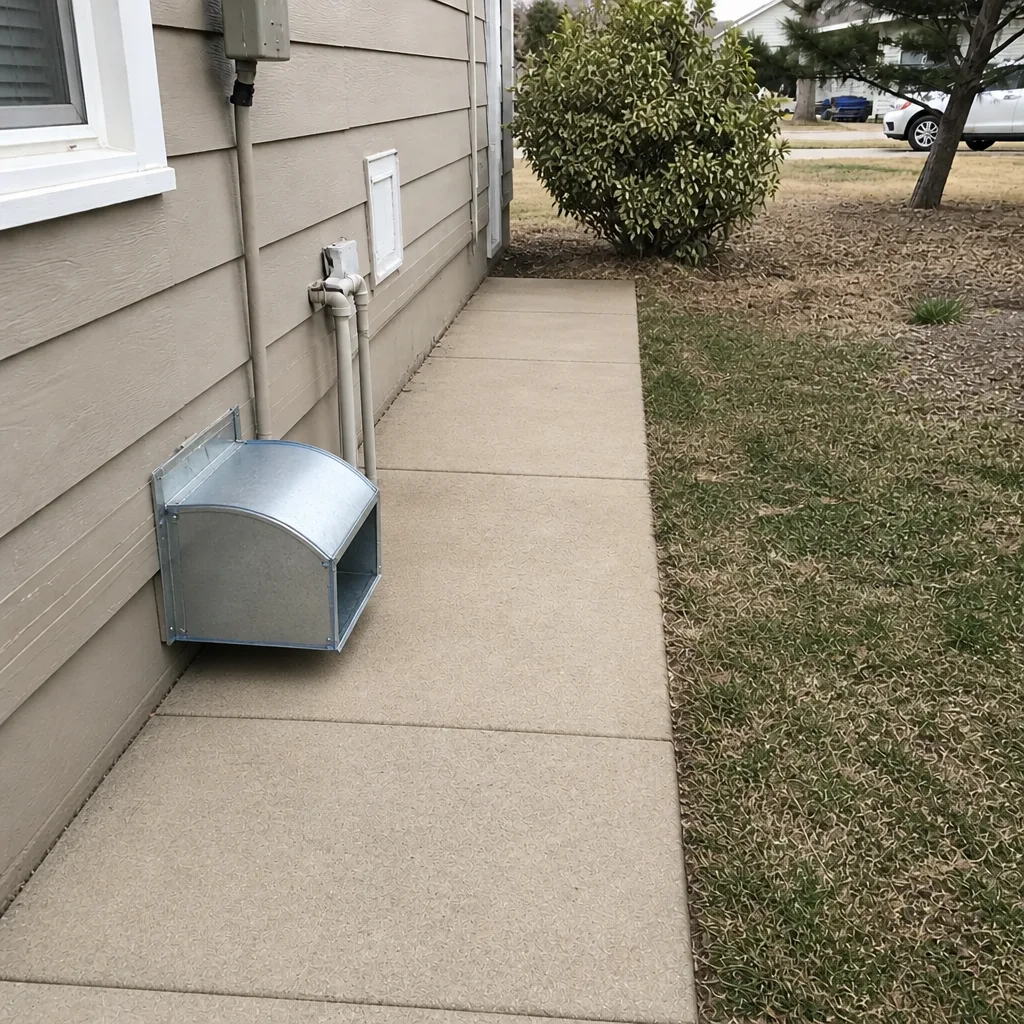
- Skipping the dryer vent. Duct cleaners who treat dryer vents as an afterthought leave lint to accumulate in the exhaust run, which is a genuine fire hazard. Book dryer vent cleaning as its own attention-worthy job.
- Cleaning around damage instead of fixing it. If a duct run is disconnected or torn, cleaning it without repair leaves the system pulling unfiltered air. Get it inspected and repaired, not just swept.
- Never keeping a record. If you can’t tell a technician what filter you run or when the ducts were last cleaned, you’re both operating blind. A short log solves this.
One more habit worth mentioning: before any duct work, ask how the company contains dislodged debris. We deploy Abatement Technologies filtration equipment on every job to keep debris contained rather than redistributed through the house. That’s the kind of process question worth asking any operator you consider.
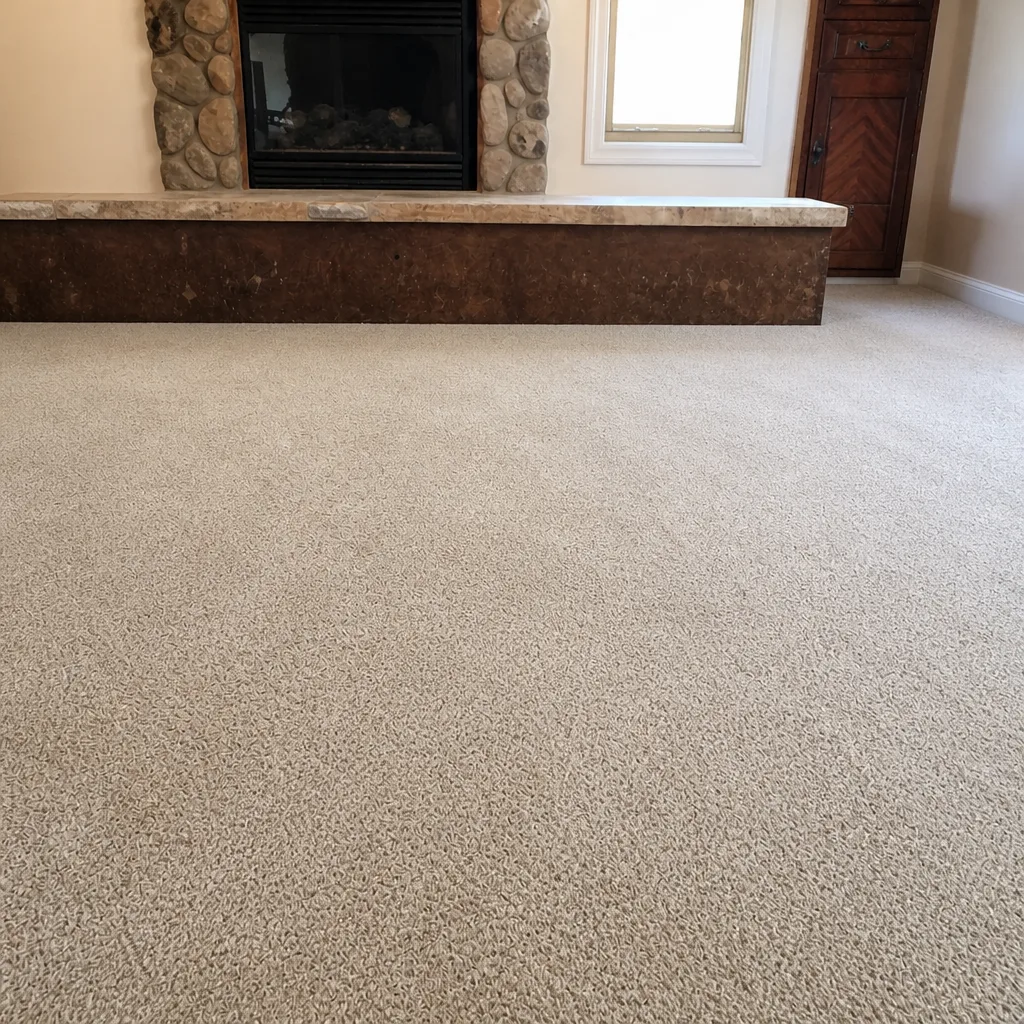
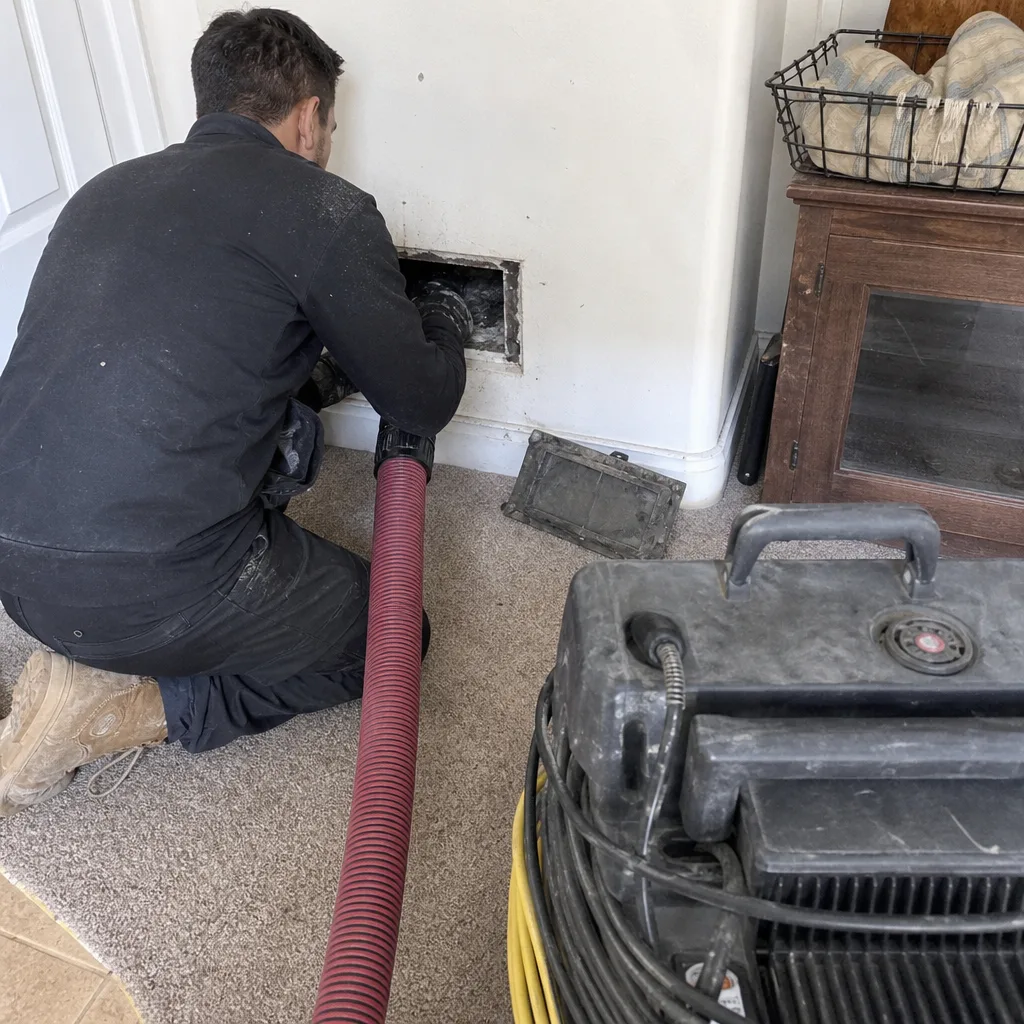
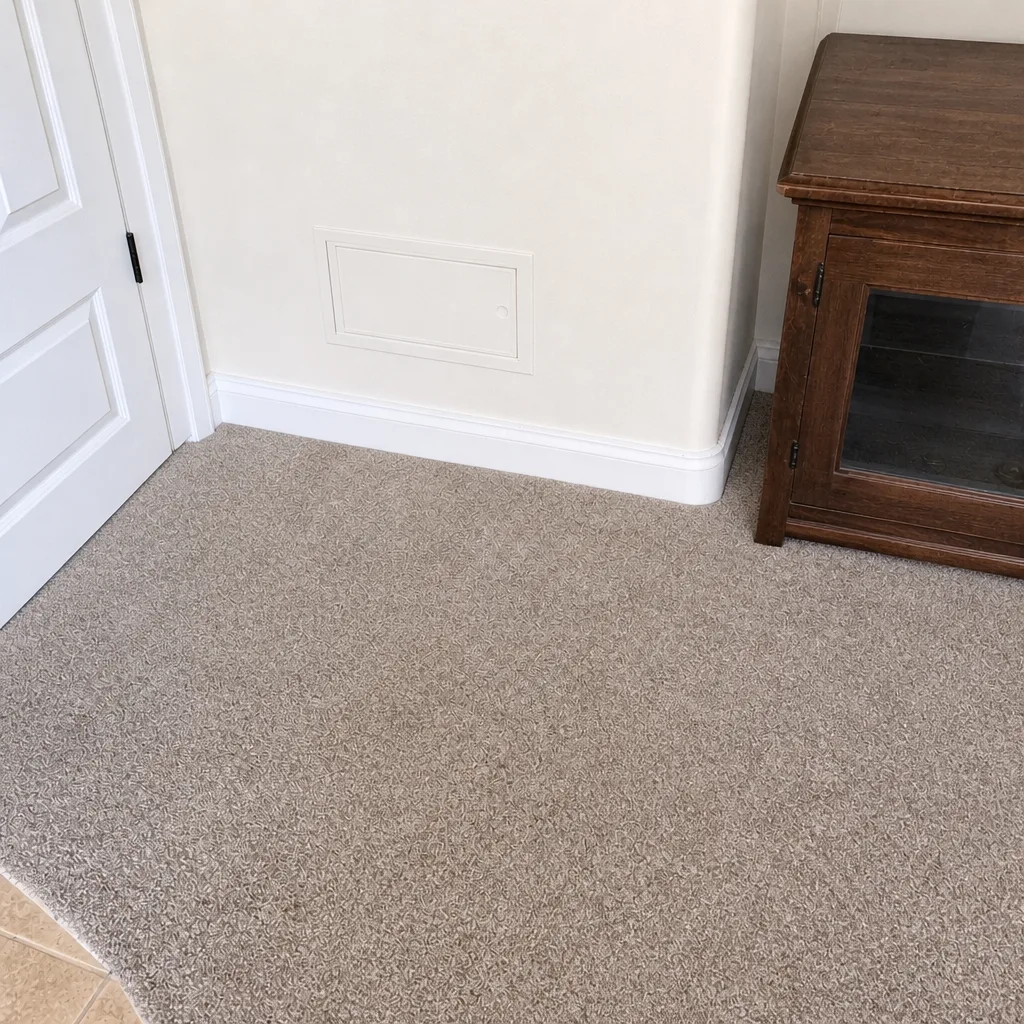
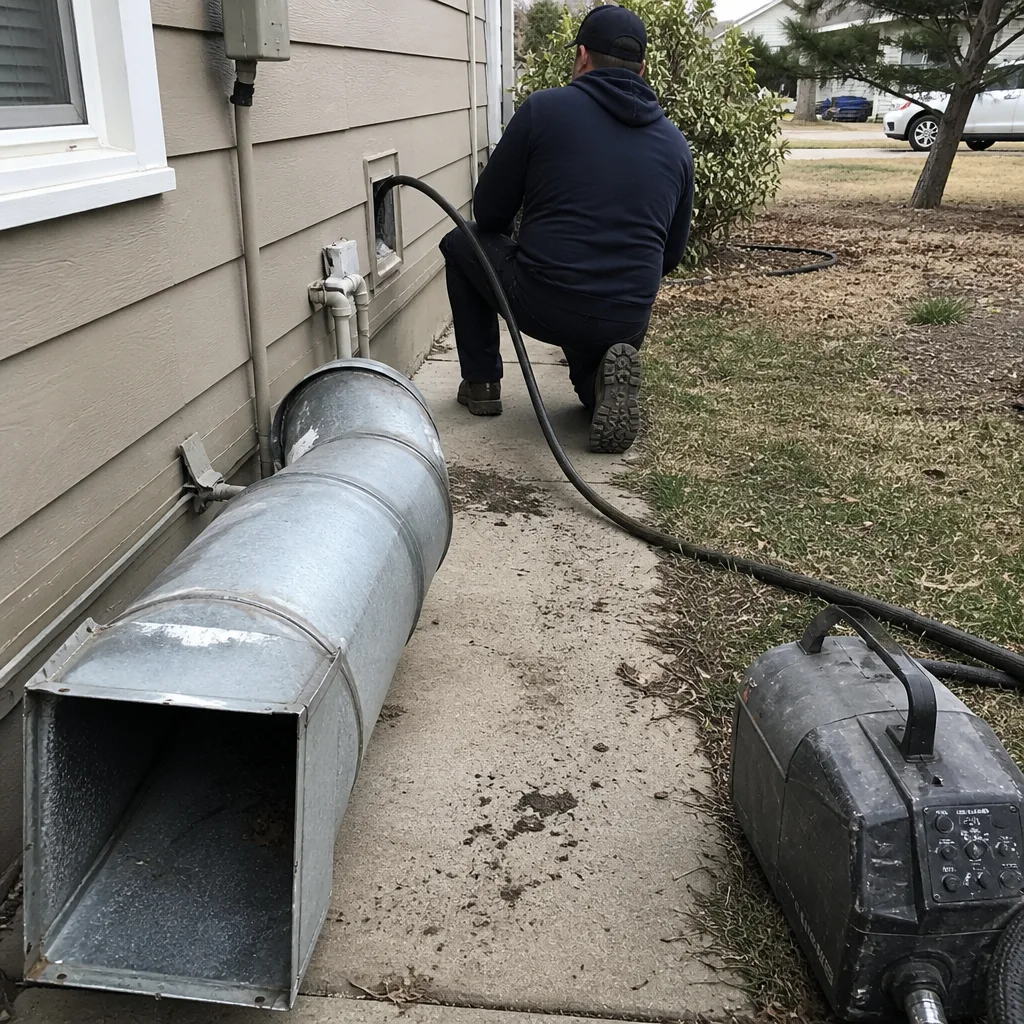
See the difference
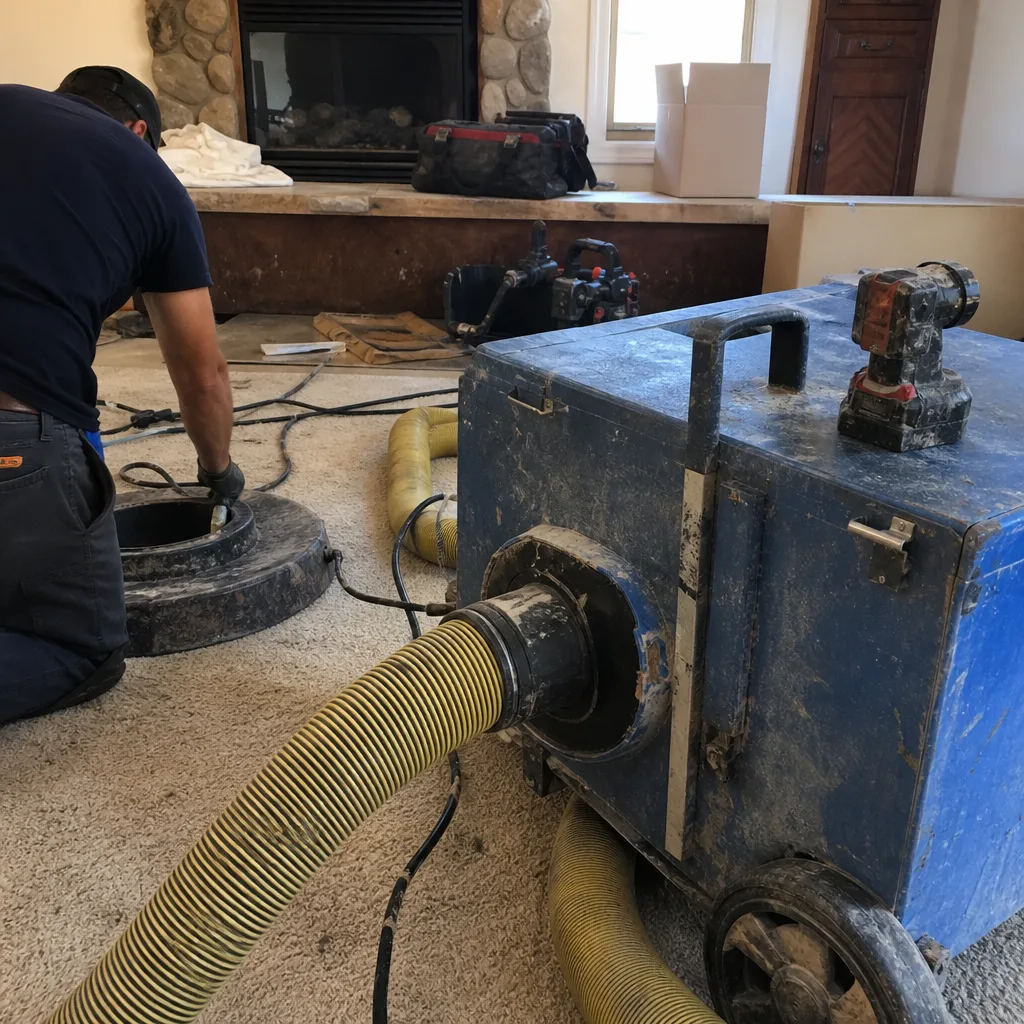 Before
 After
 Before
 After
 Before
 After
When to Call a Professional
Some signs are clear enough that you shouldn’t wait for your scheduled interval. Call a professional if you notice visible debris streaming from a return grille, a persistent musty odor whenever the system runs, or unusual dust accumulation in a home that hasn’t changed otherwise. If a rodent has been confirmed in the ductwork, that’s an immediate call. If you’ve recently finished a renovation with drywall work, had HVAC equipment replaced, or moved into a home with unknown maintenance history, a professional assessment is worth booking even if the calendar says you’re not due. And if you’re unsure where your schedule stands, an inspection answers that faster than any online rule of thumb. Duct Cleaning Greeley offers free estimates in Greeley. Call (833) 467-7154. We answer 24/7. Fast dispatch from 7am to 7pm, Sunday through Friday. Our technicians have up to 12 years of experience and can diagnose and repair duct damage during the same visit.
Frequently Asked Questions
Most Greeley homes should have their ducts cleaned every three to five years, but that range shifts with filter grade, pet load, renovation history, and duct condition. Homes running MERV 13 or a maintained media cabinet often stretch toward five or six years, while homes with pets or recent drywall work should plan closer to three, or sooner after an event trigger. Call (833) 467-7154 for an assessment based on your specific system. Estimates are free.
Yes, the high-plains dust and wind around Greeley mean more fine particulate is pulled through the return side of the system than in wetter climates. Low humidity keeps that dust suspended longer, and long heating seasons mean the system moves a lot of air through the same ductwork. That combination generally puts Greeley homes at the earlier end of any recommended interval. When we assess a system, local conditions are part of the conversation.
Equipment replacement disturbs the ductwork and often reveals debris that was sitting quietly in the runs, and it also changes the airflow pattern. It’s the right moment to have the ducts inspected and cleaned so the new equipment isn’t pushing air through a contaminated system. Call (833) 467-7154 to schedule the assessment alongside your equipment work.
Air duct cleaning in Greeley is typically priced by the whole system rather than by the vent, and we give a flat price per system agreed before work starts, with no per-vent charges. Exact cost depends on the number of runs, system size, and whether repair is needed. Call (833) 467-7154 for an exact quote. Estimates are free.
The clearest evidence is before-and-after photos of your own ducts, plus a technician who can show you what the system looked like before and after. We document each job and walk the homeowner through what we found. Ask any operator you consider for the same. Call (833) 467-7154 to schedule an inspection. Estimates are free.
Cleaning removes accumulated debris from the ductwork; repair fixes damaged, disconnected, or leaking duct runs. They’re related but separate jobs, and a cleaning often reveals repair needs. We handle both, so a disconnected joint found during cleaning can be repaired in the same visit by the same team. Call (833) 467-7154 to book a combined assessment. Estimates are free.
The Bottom Line
The right duct cleaning schedule for your home isn’t a fixed number of years. It’s a decision built from your filter grade, pet and renovation history, local conditions, and what your return grilles are telling you. Homes with tight systems and maintained media cabinets can go longer; homes with pets, drywall dust, or leaking ducts should go sooner. Keep a simple log, change filters on time, watch your grilles, and let a professional inspection confirm what the system actually needs rather than a default recommendation. If you’re unsure where your Greeley home stands, a free estimate will tell you more than any rule of thumb. Call (833) 467-7154 to book an inspection and get a clear answer for your system.
Written by the team at Duct Cleaning Greeley.