
Last updated November 15, 2026
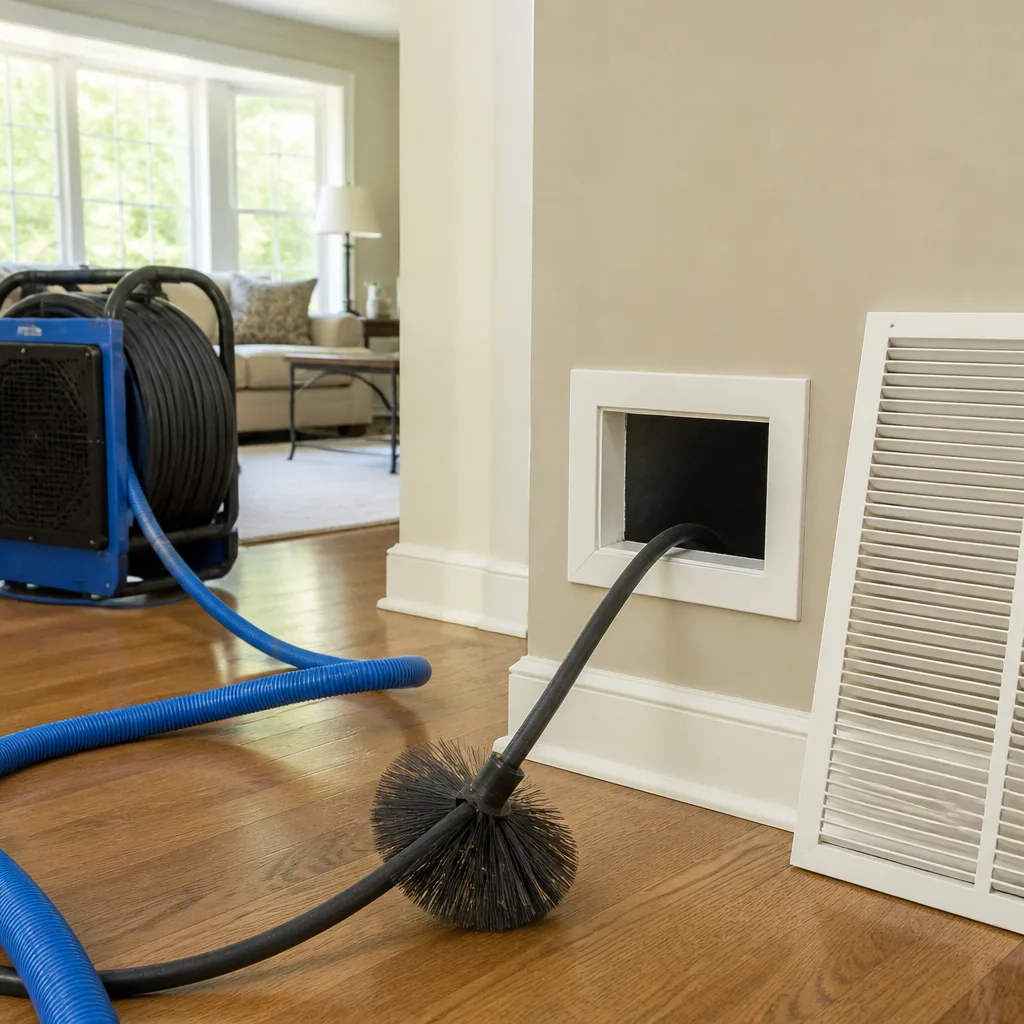 Whole-home duct cleaning
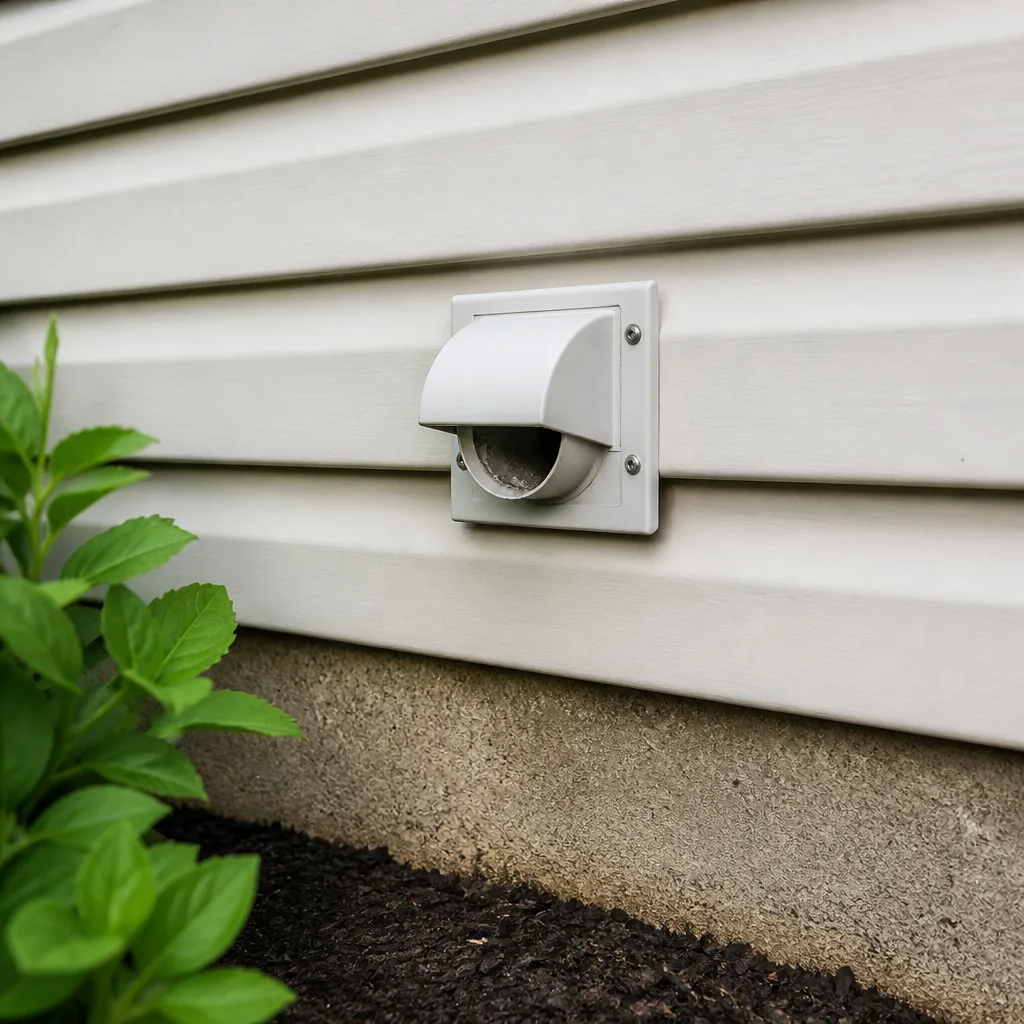 Dryer vent cleaning
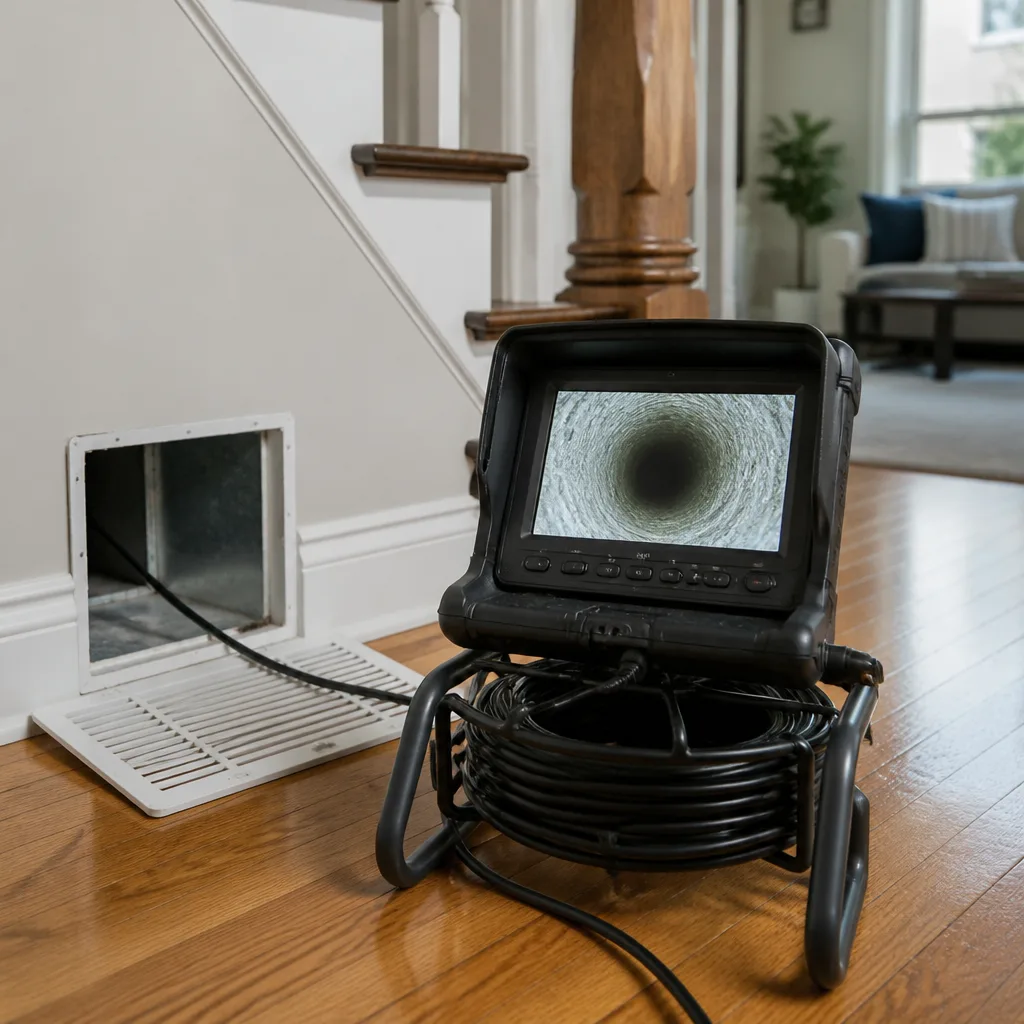 Camera inspection
 Sanitizing & deodorizing
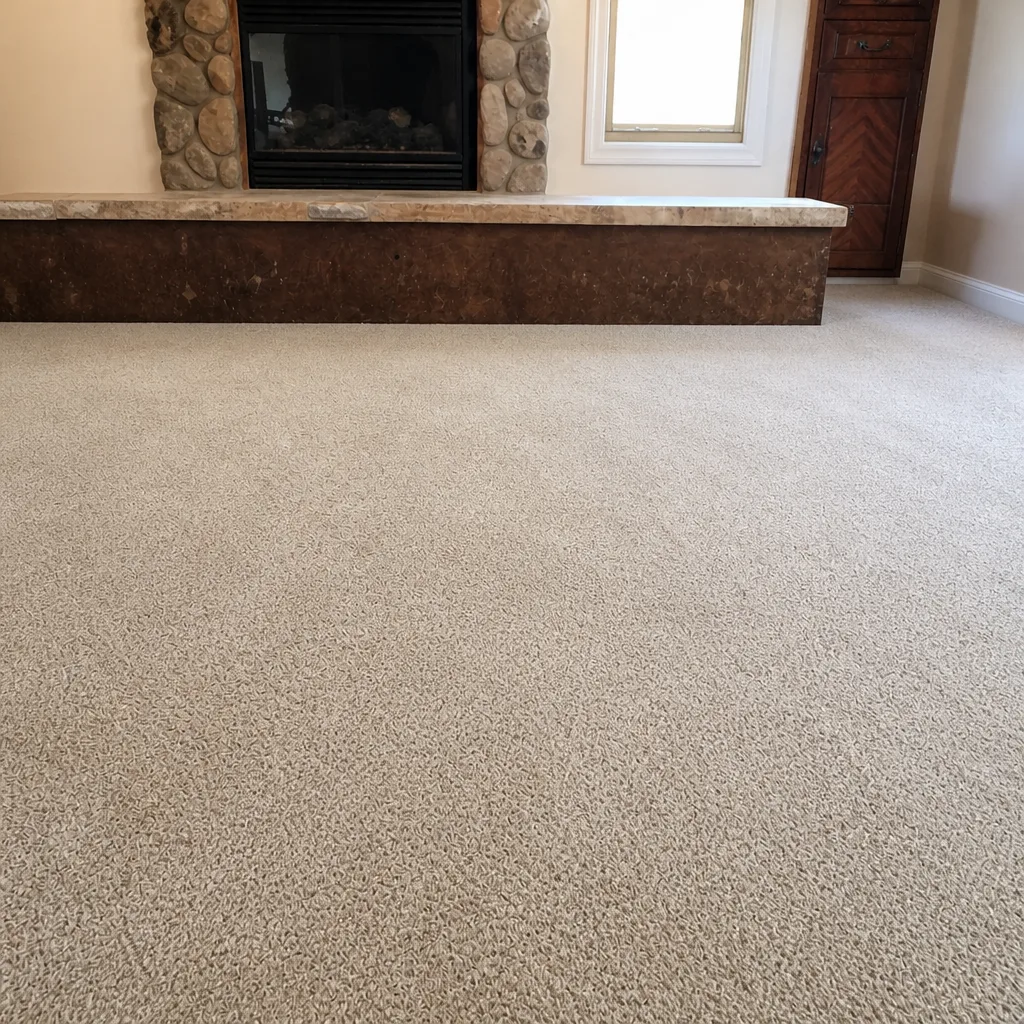
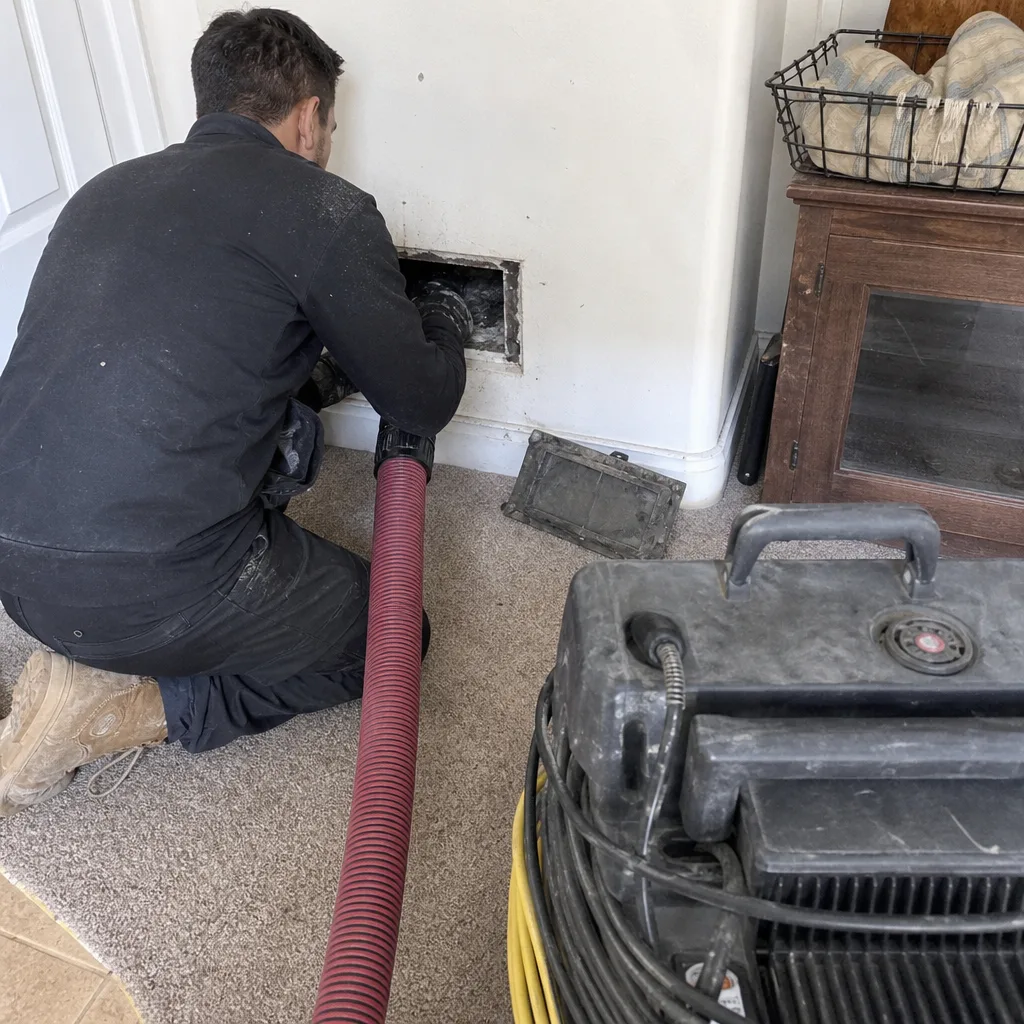
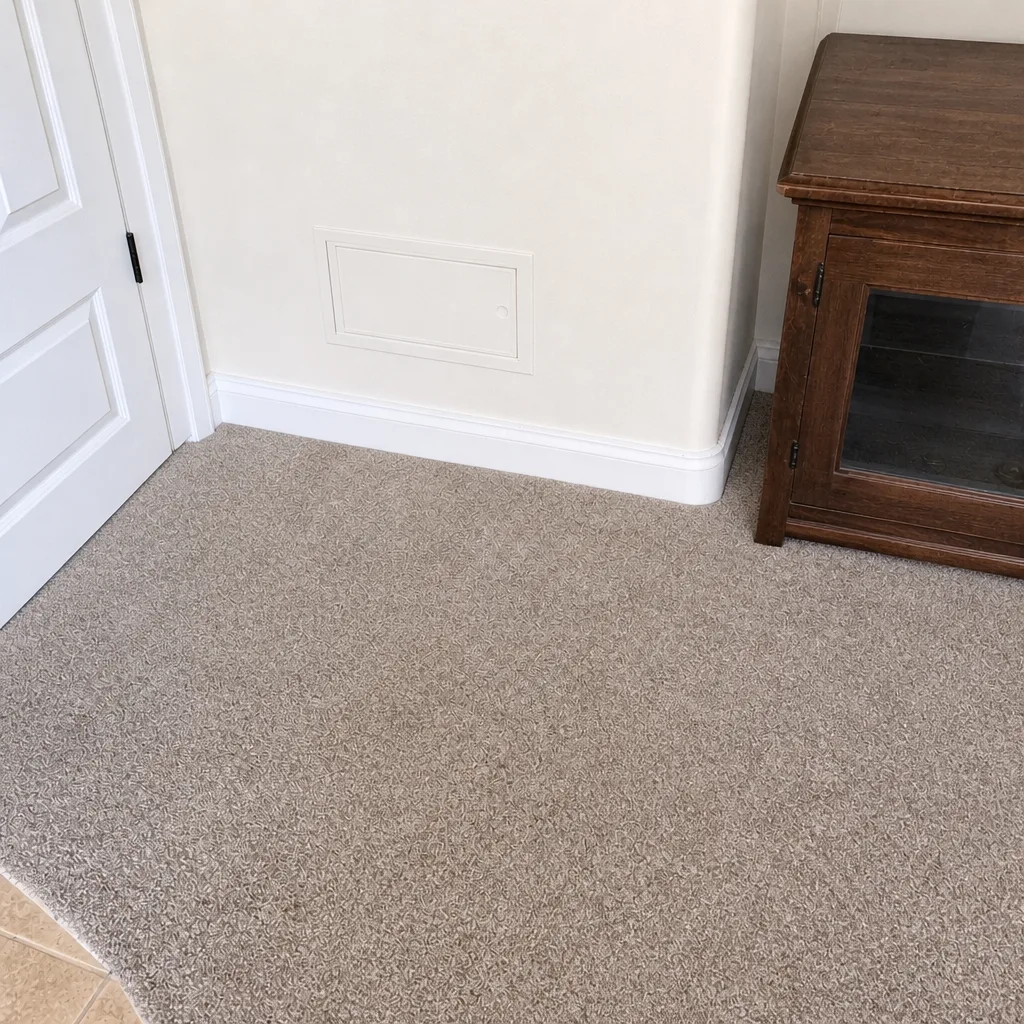
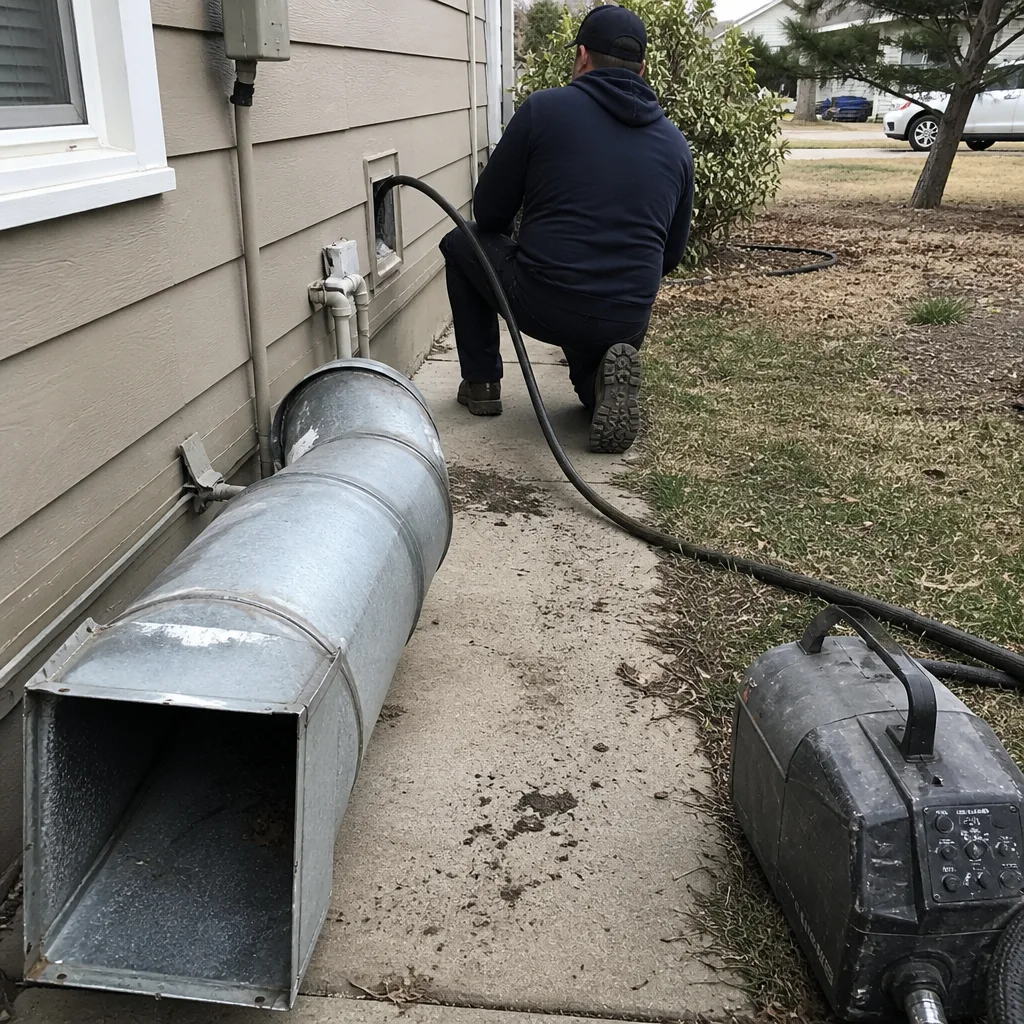
Whole-system duct and dryer vent check with before-and-after photos - you see exactly what came out of your vents
That "$99 whole-house special" is a bait ad - the real number appears once they are in your hallway, or the "clean" is a shop-vac at the register. We photograph the inside of your ducts before and after instead.
Air Duct Cleaning Maintenance Checklist for Greeley Homeowners
Changing the filter is the one duct habit nearly every homeowner already has, and it’s also the one that does the least to protect the ductwork itself. The problems that cost real money – condensation that keeps a duct interior damp, joints that separate and pull in attic air, insulation that breaks down and sheds fibers – never show up at the register. You can’t see them from the hallway, and a clean-looking vent cover tells you almost nothing about the run behind it. This guide gives you a structured observation routine: what to check room by room, when to change filters on a Greeley calendar, how to spot early joint failure, and when a professional inspection is actually warranted in Greeley.
Quick Answer
A workable air duct maintenance checklist for a Greeley home has four parts: a monthly walk-through of every register for discoloration and debris, filter changes timed to the local pollen, wildfire smoke and agricultural dust seasons, an annual look at accessible duct joints and flex runs for tape failure or kinking, and a running log of filter condition, odors and HVAC performance. Cleaning is a separate decision from inspection – most homes need an inspection long before they need a cleaning, and the inspection is what tells you which one you’re due for.
Styles & brands we work with
- Whole-home duct cleaning
- Dryer vent cleaning
- Camera inspection
- Sanitizing & deodorizing
Table of Contents
- The Room-by-Room Register Inspection Protocol
- Seasonal Filter-Change Timing for Greeley
- How to Spot Early Duct Joint Failure
- Inspection vs. Cleaning: Knowing Which You Need
- The Documentation Habit That Saves Money
- Dryer Vent: The Checklist Item Most Homes Skip
- What Professional Equipment Actually Does Differently
- Common Mistakes to Avoid
The Room-by-Room Register Inspection Protocol
This is the part of the checklist you can run yourself, and it takes about fifteen minutes for a typical house. The point isn’t to diagnose anything – it’s to notice change. A register that looked fine in spring and looks different in fall is telling you something happened in between, and that’s the information a technician needs.
Work through the house one room at a time, in the same order every time so you’re comparing like with like. At each supply register, do the following:
- Look at the grille face and the first few inches of the boot (the metal box behind the grille). Note any dark streaking, gray film, or dust that clings rather than sits loose.
- Wipe the inside edge of the grille with a white paper towel. Loose brown dust is normal between cleanings. Black or greenish smudging, or a towel that comes away damp, is not.
- Check the airflow by hand. You’re not measuring it – you’re comparing rooms. If the bedroom register that used to push hard now feels weak while the hallway feels stronger, you have an imbalance worth writing down.
- Look for debris type. Drywall dust after a renovation is expected and settles. Insulation fibers, grit, or pet hair packed into the fins suggests the duct surface upstream is shedding or holding material.
- Smell the register up close. A musty or “basement” odor at one register and not others points to a localized moisture problem, not a whole-house one.
Return registers deserve the same treatment, and they’re the ones people forget. A return pulling air through a dirty grille loads the filter faster and can pull attic or crawlspace air through gaps you didn’t know about. In Greeley’s older central neighborhoods, where homes often have retrofitted ductwork running through unconditioned spaces, return-side leaks are one of the most common things we find.
Write down what you see, even if it’s “nothing unusual.” That baseline is what makes the next inspection useful.
Seasonal Filter-Change Timing for Greeley
A rigid “every three months” rule undersells what actually happens to a filter in northern Colorado. Greeley sits in a stretch of the Front Range with three distinct loading seasons stacked on top of each other, and a filter that’s fine in January can be loaded solid by late April.
Here’s how the year breaks down for filter timing in Greeley:
- Late winter into spring (roughly March through May): tree and grass pollen arrive while the furnace is still running. Pollen is sticky and clogs media fast. Check the filter monthly during this stretch rather than quarterly.
- Summer: agricultural dust from surrounding fields and general airborne grit. The AC runs constantly, so the filter is under continuous load. Monthly checks again.
- Late summer into fall: wildfire smoke season along the Front Range. Smoke particles are fine enough that a standard filter catches only a fraction, but what it does catch loads the media quickly. If smoke hangs in the air for a stretch, check the filter after it clears.
- Winter: heating season with the windows shut. Lower overall particulate load in most homes, but the furnace runs more hours. A monthly glance is still reasonable.
If your system uses a thicker media cabinet filter – the four- or five-inch style common with Honeywell and Aprilaire filtration setups – the change interval is longer, but the check interval isn’t. Open the cabinet and look. A pleated filter that’s gray across the face is still working; one that’s matted or bowed from pressure is done regardless of what the calendar says.
One more Greeley-specific note: if you live near the river corridor or in a neighborhood with a lot of mature cottonwoods, expect heavier early-summer loading than a house on open ground a mile away. The calibration is per house, not per city.
How to Spot Early Duct Joint Failure
Duct joints fail quietly. The system keeps running, the house stays roughly comfortable, and the only symptom is a slow rise in energy use and a slow drop in the performance of the rooms furthest from the equipment. By the time someone notices, the leak has usually been pulling unconditioned attic or crawlspace air for a while.
You can catch most of it early if you know what to look at. Focus on the accessible sections – the trunk line near the air handler, any exposed runs in the garage, attic or basement, and the connection points at each boot.
What to look for
- Tape delamination. The foil or fabric tape at a joint should be flat and bonded. Curling edges, lifting corners, or tape that peels away with light finger pressure means the seal is already gone.
- Duct tape that has gone brittle. The gray cloth-backed tape that was standard for years dries out and releases. If you can see the seam line underneath the tape, air is moving through it.
- Flex duct kinking or sagging. A flex run that bends sharply or sags between hangers restricts airflow and puts stress on the inner liner. Look for crushed sections and any spot where the outer jacket is torn, because a torn jacket means the insulation is exposed and the inner liner may be compromised.
- Disconnected collars. Where a flex run meets a metal boot or the trunk, the collar should be seated and secured. A visible gap, even a small one, is a direct path for attic air.
- Streaking or dust shadows at seams. A dark line drawn along a joint is air carrying dust through it. That’s the leak marking its own location.
This is also the reason our air duct cleaning visits include a joint check. Cleaning a system with open joints just moves debris through a leak. If we find separated tape, a kinked run or a pulled collar, we can repair it rather than note it and move on – the same team, the same visit.
Inspection vs. Cleaning: Knowing Which You Need
Most checklists skip the distinction entirely, and it’s the one that matters most. Inspection is diagnostic. Cleaning is remedial. They answer different questions, and a home can need one without needing the other.
Schedule an inspection when you notice any of the following:
- A persistent odor at one or more registers that doesn’t clear after a filter change
- Visible dust streaking on the grilles or on the ceiling around a register
- Uneven airflow between rooms that has changed over time
- A recent renovation, major remodel, or HVAC equipment replacement
- A home purchase where the previous owner’s maintenance history is unknown
- Water intrusion anywhere near the ductwork, even a one-time event
Schedule cleaning when the inspection or a visual check shows accumulated debris on the duct surfaces themselves – not just on the grille. The distinction is real: a grille can be dirty while the duct behind it is clean, and a duct can be loaded while the grille looks acceptable. Cleaning without looking first is a guess.
As a practical baseline, an inspection every couple of years is reasonable for a Greeley home with a normal maintenance history. Homes with pets, recent construction, allergy concerns in the household, or a long stretch of deferred maintenance warrant a look sooner. When the inspection does call for cleaning, that’s the point at which professional equipment matters – more on that below.
If you’re not sure which category you’re in, that’s exactly the conversation to have before booking anything. A provider who quotes a cleaning before seeing the system is quoting a guess.
The Documentation Habit That Saves Money
This is the lowest-effort item on the entire checklist and the one that pays back the most. A simple log – a note on your phone, a page in a kitchen drawer, whatever you’ll actually keep up with – cuts diagnostic time significantly because it turns “I think it’s been getting worse” into a dated record.
Keep four things:
- Filter dates and condition. The date you changed it, and one word on how loaded it was (light, moderate, matted). After a year this tells you your home’s actual filter interval instead of the generic one.
- Odors. When you noticed it, which rooms, and whether it was worse at certain times. Odor timing is a genuinely useful diagnostic clue – morning-only smells point at different causes than evening-only ones.
- HVAC performance notes. Rooms that heat or cool slower than others, and when that started. A change in room balance is often the first sign of a duct problem, and it’s easy to forget when it started.
- Work done. Any service on the system, the date, and who did it.
A technician walking into a home with a log like that can narrow down the likely causes before opening a single panel. That means a free estimate that’s more accurate, a job scoped correctly, and less of your time spent on back-and-forth. It’s the least glamorous part of duct maintenance and one of the most useful.
Dryer Vent: The Checklist Item Most Homes Skip
Duct maintenance checklists tend to focus entirely on the HVAC system and skip the other duct in the house. Your dryer vent is a duct, it runs through the same walls, and it accumulates lint in the same way – except lint is highly combustible and the vent terminates at a heat source.
Lint buildup in a dryer vent is a documented residential fire hazard, not a theoretical one. It’s also easy to check for warning signs yourself:
- Clothes taking noticeably longer than they used to in a full cycle
- The dryer body or the laundry room feeling hot and humid during a cycle
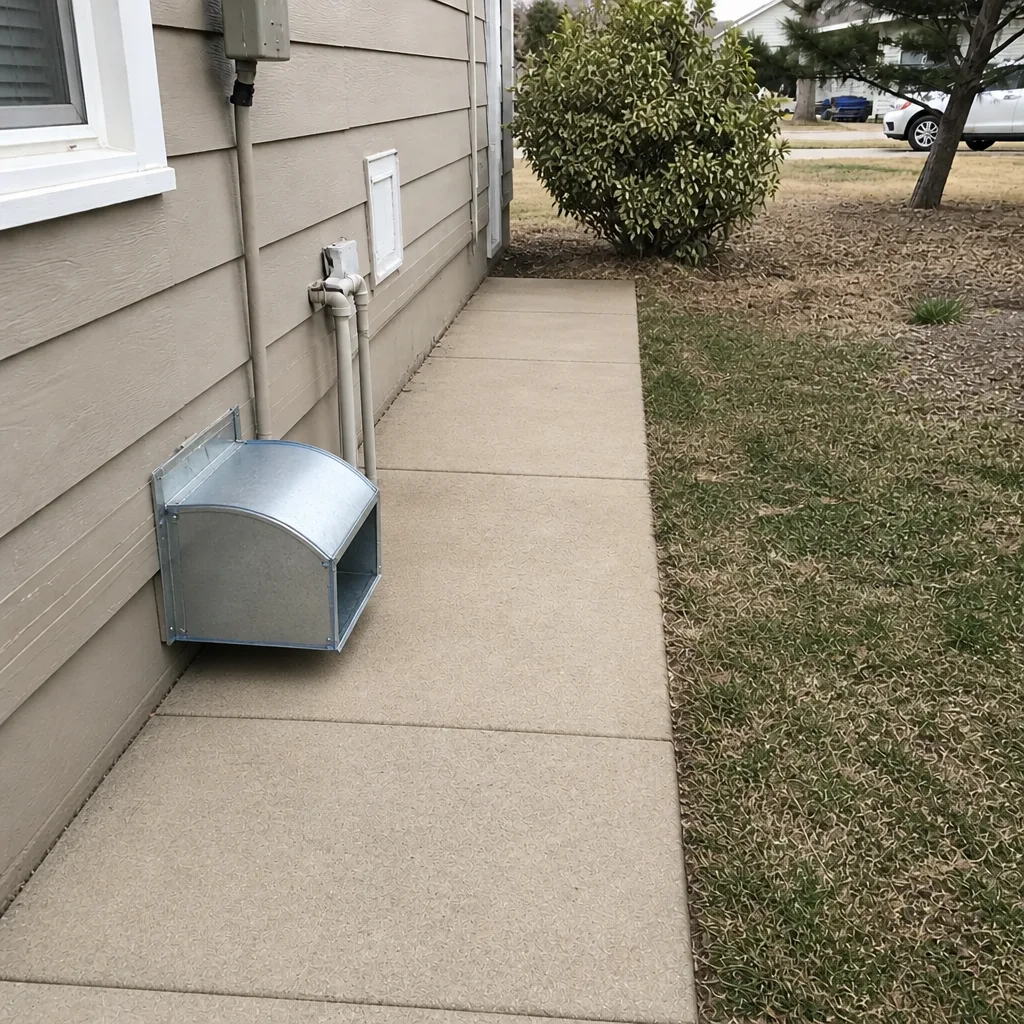
- The exterior vent flap not opening fully, or not opening at all
- Lint visible around the outside of the vent hood
- A burning or scorched smell during operation
We treat dryer vent cleaning as its own dedicated service rather than an add-on, because the tools and the access are different from HVAC ductwork and the risk profile is different too. If you’ve never had the vent cleared, or you can’t remember the last time, put it on the list alongside the HVAC items. It’s a short job and it closes off one of the more serious hazards a home carries.
What Professional Equipment Actually Does Differently
The gap between a professional duct cleaning and a budget one isn’t effort – it’s what the equipment can reach and what it does with what it loosens. Understanding the difference helps you evaluate a quote instead of just comparing the number at the bottom.
- Mechanical agitation. A rotating brush system like the Rotobrush is built to scour the duct wall and pull material loose from the surface. A vacuum alone removes what’s already airborne or loose; it doesn’t break the bond that accumulated debris has with the metal.
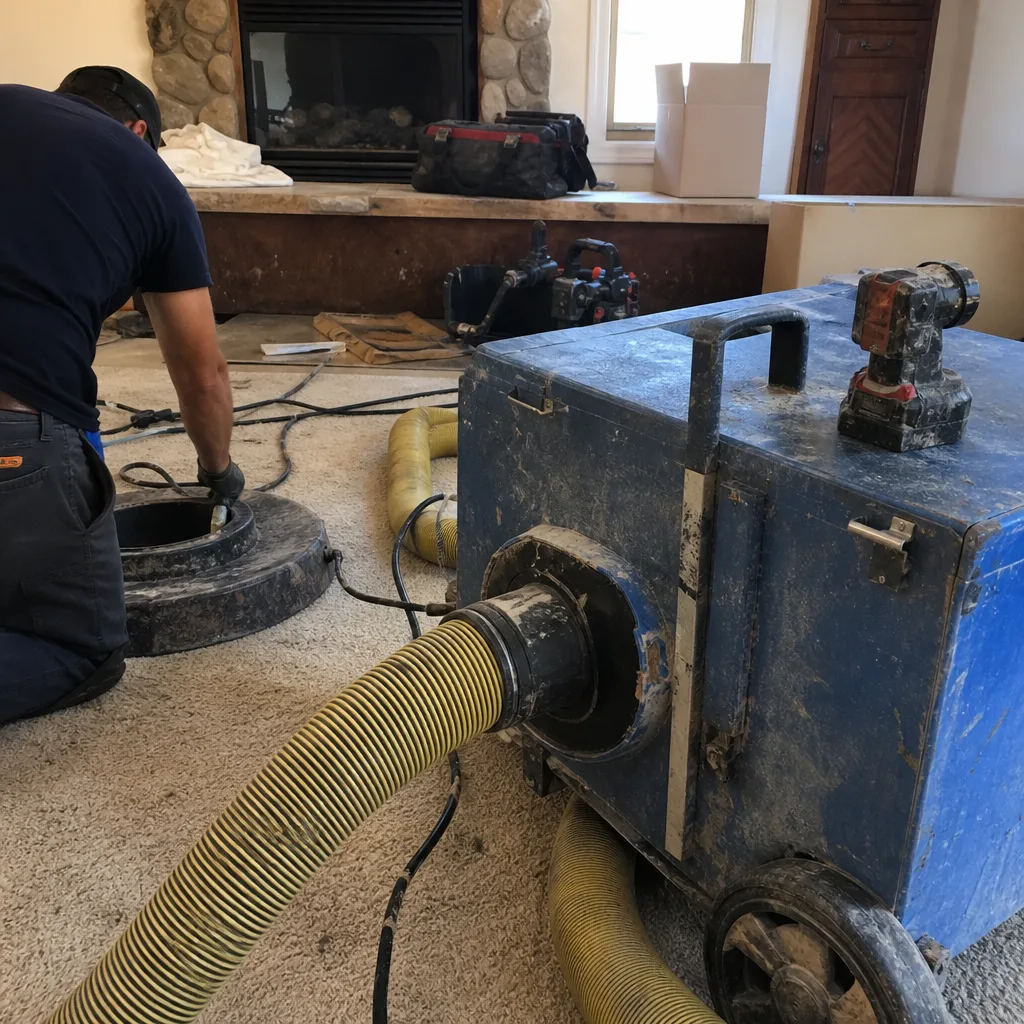
- HEPA-rated capture. Nikro HEPA equipment captures fine particulate at the vacuum end rather than exhausting it into the room. That’s the difference between removing debris and relocating it.
- Containment during the job. Debris doesn’t stay put when it’s dislodged. We run Abatement Technologies air-filtration equipment on every job to hold negative pressure and contain what comes loose instead of letting it redistribute through the house.
- Repair capability on site. Cleaning reveals condition. A provider who only cleans can tell you a joint is separated; a provider who repairs can fix it. We handle air duct repair in-house with the same technicians who did the cleaning.
- Respect for existing filtration. If your system runs a Honeywell or Aprilaire media cabinet, the job is scoped around it. Those components get protected and checked, not bypassed or removed.
This is professional-grade equipment, not a shop vac and a hope. When you’re comparing quotes, the question to ask is what the provider will use and whether they contain the debris during the job. The answer tells you more than the price does.
Common Mistakes to Avoid
- Treating the filter as the whole checklist. A filter protects the equipment and the air passing through it. It does nothing for the duct interior, where condensation and joint failure actually happen. The filter is one line item on a longer list.
- Wiping down grilles and calling it maintenance. A clean grille is the least informative surface in the system. The dust that matters is on the duct walls and at the joints, and wiping the visible parts creates a false sense of a job done.
- Ignoring a seasonal airflow change. A room that used to be comfortable and now isn’t is a data point, not a nuisance. In Greeley’s climate those shifts often track a leaking joint or a kinked flex run, and catching them early keeps a small repair from becoming a larger one.
- Booking a cleaning before an inspection. If a provider quotes a cleaning without looking at the system first, you’re paying for a guess. Ask what they found and why cleaning is the answer.
- Choosing a quote on price alone. The cheapest quote usually reflects the equipment. A shop vac and a hose can’t agitate a duct wall or contain fine debris, and the difference shows up in the result, not the invoice.
- Skipping the dryer vent entirely. It’s the one duct in the house with a documented fire hazard attached and it’s routinely left off the list. Add it and put a date on it.
- Not keeping records. Without a log, every service call starts from zero. A dated note about filter condition and odors shortens diagnosis and makes the estimate more accurate.
See the difference
 Before
 After
 Before
 After
 Before
 After
When to Call a Professional
Some things are worth watching and some are worth booking. Call a professional when you find persistent odor at a register that a filter change doesn’t fix, visible dust streaking or dark lines along duct seams, a joint you can see is separated, or flex duct that’s kinked or has a torn outer jacket. Call if you’ve had water intrusion anywhere near the ductwork, if you’ve just finished a renovation or bought a home with unknown maintenance history, or if airflow between rooms has shifted and stayed shifted. And call for the dryer vent if you can’t remember the last time it was cleared – that one is a hazard question, not a comfort question. Duct Cleaning Greeley offers free estimates in Greeley – call (833) 467-7154. We answer 24/7. Fast dispatch from 7am to 7pm, Sunday through Friday.
Frequently Asked Questions
Inspection every couple of years is a reasonable baseline for a Greeley home, and cleaning only when the inspection or a visual check shows debris actually accumulated on the duct surfaces. The two aren’t on the same schedule. Homes with pets, recent construction, allergy concerns in the household, or a long stretch of deferred maintenance warrant an inspection sooner. Call (833) 467-7154 for an exact quote – estimates are free.
We price the whole system rather than per vent, and we can’t give you a firm number without seeing the house – system size, accessibility, and condition all move it. We set one flat price per system and agree it in writing before any work starts, so the number you approve is the number you pay. Call (833) 467-7154 for an exact quote – estimates are free.
Usually because the equipment is different. A shop vac and a hose can reach the duct but can’t agitate the wall surface or contain fine particulate, so the debris gets loosened and redistributed rather than removed. Professional-grade equipment – a rotary brush system, HEPA-rated vacuum, and air filtration holding negative pressure during the job – costs more to run, and that’s most of the price difference. Call (833) 467-7154 for an exact quote – estimates are free.
Ask for before-and-after photos of your own ducts, not a stock image. Any provider doing real work can document what came out of the system. We photograph the ducts we clean so you can see the condition before and after, and the flat price you agreed to is the price on the invoice. Call (833) 467-7154 for an exact quote – estimates are free.
There’s no fixed interval that fits every home, and anyone quoting one without looking at your system is guessing. Cleaning is warranted when debris has accumulated on the duct surfaces – which is a condition, not a schedule. A recent renovation, water intrusion, pets, or a long gap in maintenance are the usual triggers in Greeley. Call (833) 467-7154 for an exact quote – estimates are free.
Yes. A leaking joint or a kinked run changes the pressure balance the filtration setup was sized for, and debris bypassing a media cabinet loads the filter faster and reduces its effectiveness. When we clean a system with Honeywell or Aprilaire equipment, we protect those components and check them as part of the job rather than working around them. Call (833) 467-7154 for an exact quote – estimates are free.
The Bottom Line
A duct maintenance checklist works because of what it catches early, not because it reminds you to change a filter. Walk the registers room by room and note what changes. Time your filter checks to Greeley’s stacked pollen, smoke and dust seasons rather than a generic quarterly rule. Look at accessible joints for tape failure and kinking before a small leak becomes a system-wide problem. Keep the distinction between inspection and cleaning clear, and keep a log so the next service call starts with information instead of questions. Add the dryer vent to the list. Do the observation work yourself, and bring in professional-grade equipment when the system actually needs it. If you’d rather have someone look, Duct Cleaning Greeley offers free estimates – call (833) 467-7154. We answer 24/7. Fast dispatch from 7am to 7pm, Sunday through Friday. Our technicians have up to 12 years of experience.
Written by the team at Duct Cleaning Greeley.